EU adds kidney outcome data to the Ozempic label
European regulators added kidney-disease language to the Ozempic label in December 2024, about six weeks before the FDA approved the same use in the US, giving patients on both continents a new reason doctors may prescribe the drug.
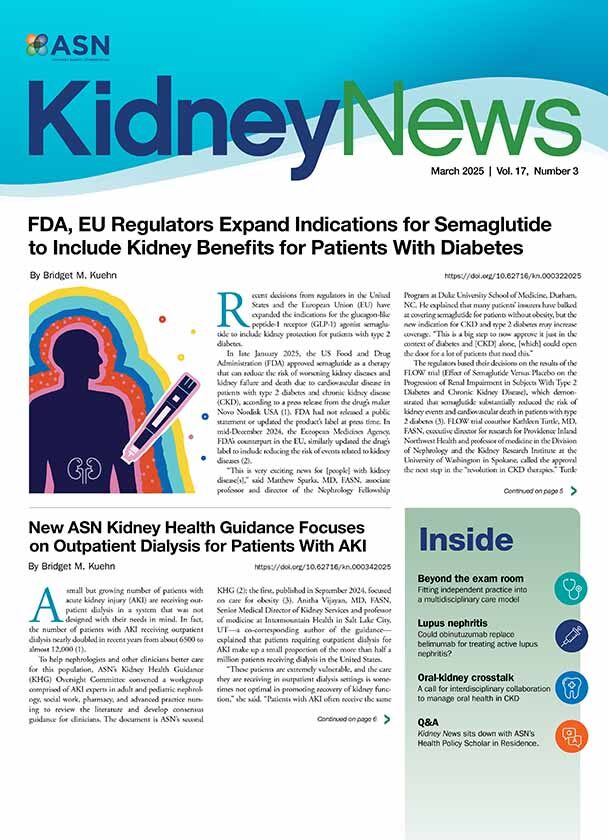
European drug regulators on December 12, 2024, allowed Novo Nordisk to add language to the Ozempic label stating the drug can reduce the risk of worsening kidney disease, according to a Reuters report cited in Kidney News [2][1]. The U.S. Food and Drug Administration followed on January 28, 2025, approving Ozempic (semaglutide) as what the agency called the only GLP-1 receptor agonist to reduce the risk of worsening kidney disease and cardiovascular death in adults with type 2 diabetes and chronic kidney disease [1]. The gap between the two decisions was roughly six weeks [1][2].
Both approvals rest on the same evidence: the FLOW trial, a study of semaglutide's effects on chronic kidney disease in people with type 2 diabetes, published in the New England Journal of Medicine in 2024 [3]. That trial is the basis cited by the FDA for its new kidney-related indication [1].
The European Medicines Agency's move came first, and it applied specifically to Ozempic, the injectable semaglutide product approved for type 2 diabetes [2]. The FDA's January 2025 approval likewise applies to Ozempic and describes the new use as protecting against "worsening kidney disease and cardiovascular death" in patients who have both type 2 diabetes and chronic kidney disease [1].
The kidney-related label change arrives alongside other regulatory and financial developments affecting semaglutide. In January 2025, the Centers for Medicare & Medicaid Services announced that additional drugs, described in agency materials as part of a group of 15, were selected for Medicare drug price negotiations aimed at lowering costs for seniors [5]. Separately, semaglutide's price has drawn attention from outlets like Drugs.com, which has published guidance on how much the drug costs [4]. The Kidney News article does not specify whether semaglutide itself was among the newly negotiated drugs or give a dollar price tied to the negotiations; those specifics are not detailed in the available sources.
Why it matters for patients
For people with type 2 diabetes and chronic kidney disease, the label change means Ozempic's approved use now formally includes slowing kidney disease progression and reducing cardiovascular death risk, not just blood sugar control [1]. That could affect how doctors discuss the drug with patients who have both conditions, since the FDA specifically calls it the only GLP-1 drug with this kidney-focused approval [1].
The six-week gap between EU and US clearance shows how regulators in different countries can reach similar conclusions from the same trial data on different timelines [1][2]. Patients who follow drug news from European sources may have seen kidney-related language on Ozempic packaging or promotional material before it appeared in the US.
The sources do not say how insurance coverage, out-of-pocket costs, or prior authorization requirements might change now that this indication exists in the US label. It is also not yet known from these sources whether the same kidney-protection claim will be added to other semaglutide products, such as Wegovy or Rybelsus, or whether tirzepatide products like Mounjaro and Zepbound will pursue similar kidney-related labeling.
What happens next
The EU update took effect December 12, 2024 [2]. The FDA approval followed January 28, 2025 [1]. The Kidney News piece was published online March 7, 2025, summarizing both actions along with the January 17, 2025, Medicare negotiation announcement [5][1]. Further details on how the new kidney indication affects prescribing patterns, insurance coverage, or pricing were not available in the sources reviewed for this story.
Sources
Semaglutides.org is for information only and is not medical advice. Always talk to a licensed healthcare provider about your own care. Some links to telehealth services are affiliate links, labeled where they appear.