Lilly launches an advertising campaign against copycat weight-loss drugs
Eli Lilly launched a consumer ad campaign urging people to be "a healthy skeptic" of unapproved copycat tirzepatide products, adding public pressure to its ongoing lawsuits against compounders.[1]
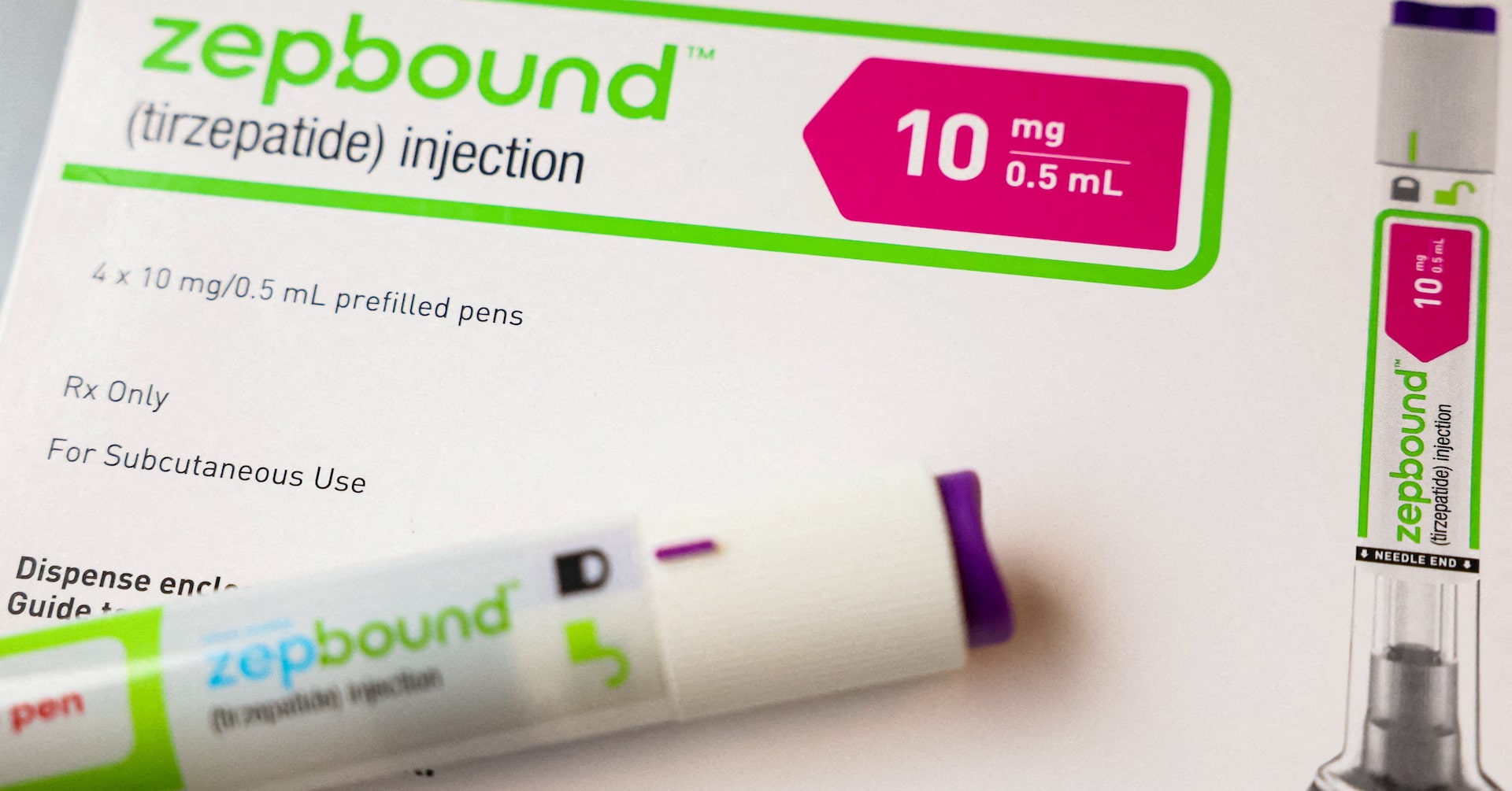
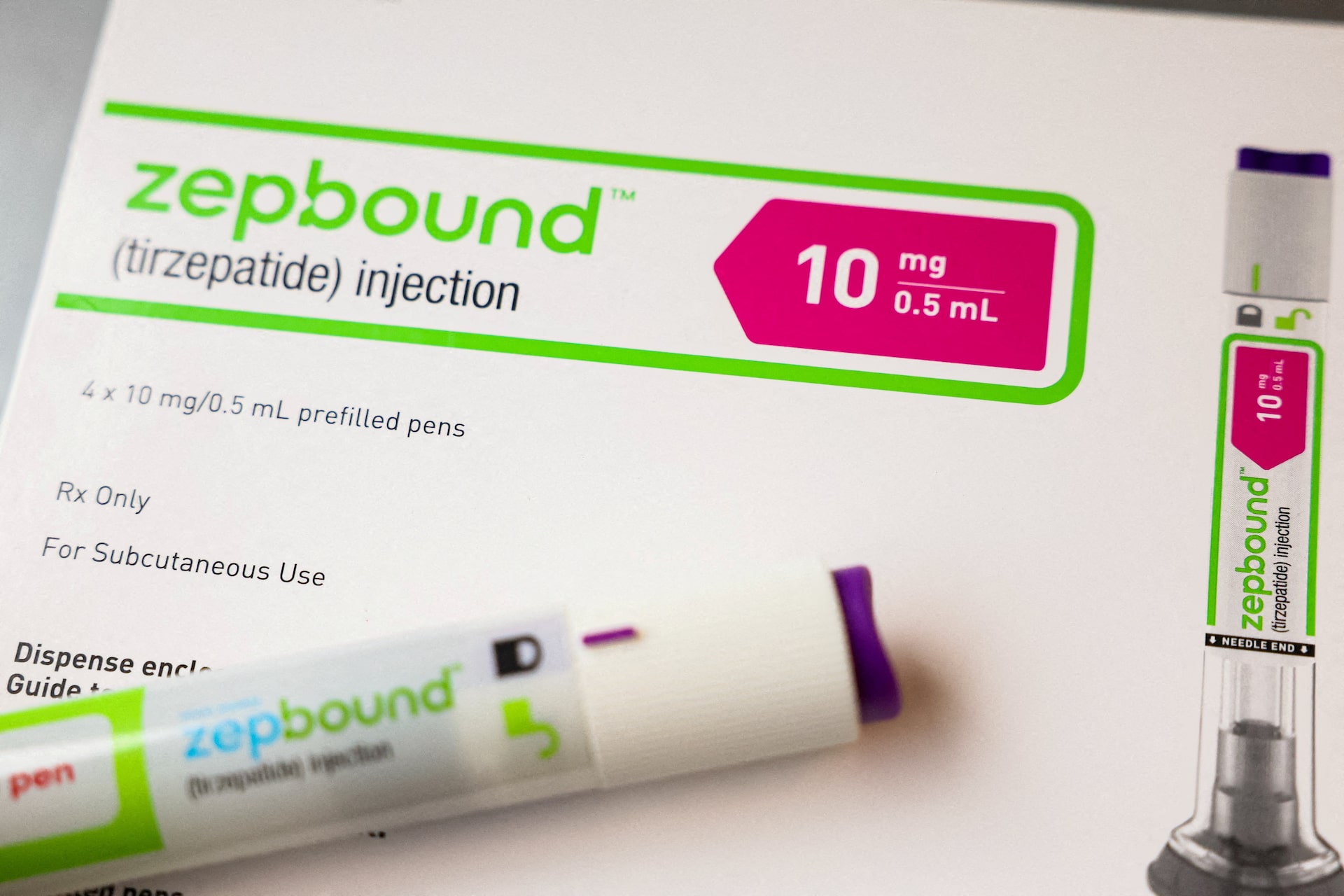
Eli Lilly launched an advertising campaign on Feb. 28, 2025, warning patients about unapproved versions of its tirzepatide products, Zepbound and Mounjaro, that are sold outside the approved supply chain.[1] The ad tells consumers to "be a healthy skeptic" and to question what's in an injectable drug, where it comes from, and who oversees its production.[1] The campaign is a consumer-facing addition to lawsuits Lilly has already filed against medical spas and compounding pharmacies that sell products claiming to contain tirzepatide.[1]
The timing followed a Super Bowl ad from telehealth company Hims & Hers promoting a compounded weight-loss drug, and came shortly after Novo Nordisk ran its own ad asking patients to "check before you inject."[1] Novo Nordisk has taken similar legal action over compounded semaglutide, the ingredient in its Wegovy and Ozempic products.[1] Reuters reported that Hims & Hers drew criticism from some lawmakers for leaving out safety information about its customized medicines in its own ad.[1]
Compounding pharmacies mix or alter drug ingredients to create custom medicines, and federal rules let them sell versions of a brand-name drug when that drug is in short supply, even though the compounded product itself is not FDA approved.[1] Zepbound and Wegovy were both recently removed from the FDA's shortage list, according to Reuters, which means compounding pharmacies that have been producing large numbers of doses are running out of time to keep doing so under that shortage exception.[1]
Why it matters for patients
For patients who have been getting compounded tirzepatide or semaglutide, often at a lower price than the branded product, this dispute affects both supply and safety information. Lilly's ad campaign argues that products sold outside the approved supply chain are not FDA approved and may not contain what the label claims, framing the issue as one of trust in what goes into an injection.[1] Reuters notes this is part of a broader public back-and-forth between the branded drugmakers and companies selling compounded alternatives.[1]
The removal of Zepbound and Wegovy from the FDA shortage list is significant because it narrows the legal basis compounding pharmacies have relied on to sell large volumes of these drugs.[1] Patients currently using a compounded version may want to watch for changes in availability or in how their pharmacy markets these products, since the shortage exception that has allowed widespread compounding is time-limited once a drug is no longer listed as scarce.[1]
The sources do not detail what safety risks, if any, have been documented in compounded products beyond Lilly's general warning that they "may not contain what the label claims."[1] Specific data on contamination, dosing errors, or adverse events tied to compounded tirzepatide or semaglutide is not included in this reporting and is not yet known from these sources.
What happens next
Lilly and Novo Nordisk have both sued medical spas and compounding pharmacies over products marketed as containing tirzepatide or semaglutide, and those legal cases were ongoing as of the ad campaign's launch.[1] Reuters reports that compounding pharmacies are "running out of time" to continue producing large doses of these drugs now that the shortage designation has been lifted, but the source does not specify an exact cutoff date or enforcement timeline.[1] How quickly compounded supply actually declines, and whether further lawsuits or regulatory action follow, is not detailed in the available reporting.
Images from the sources
Sources
Semaglutides.org is for information only and is not medical advice. Always talk to a licensed healthcare provider about your own care. Some links to telehealth services are affiliate links, labeled where they appear.