Investigation ties three patient injury cases to pharmacies in Mochi Health's supplier network
A September 4 investigation links three serious patient injury cases, including one death, to compounding pharmacies that have supplied the telehealth company Mochi Health. The pharmacies deny their products caused the harm.
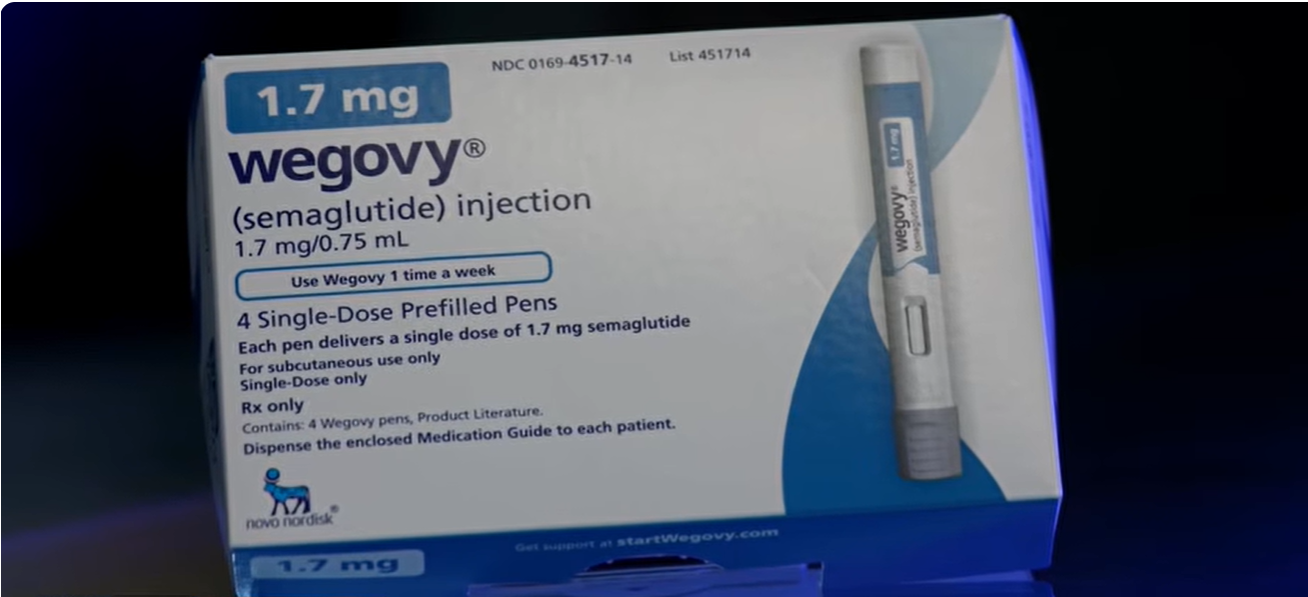
An investigation published September 4 documents three patients in three states who say they suffered serious medical emergencies after using compounded GLP-1 medications made by pharmacies that have, at various times, been part of the supplier network for Mochi Health, an online weight-loss telehealth company [1]. The claims are contained in pending lawsuits and a state investigation. None has been proven, and both pharmacies named deny that their products caused the injuries [1].
The three cases
In Texas, Don Rhodes filed a wrongful-death suit after his 50-year-old daughter, a single mother of two, died in 2024 following 29 days of critical illness [1]. According to the suit, she had used a compounded version of semaglutide for several months and became seriously ill after her prescription was increased to a higher dose, ending up in intensive care at a Houston hospital [1]. "Our children are supposed to outlive us," Rhodes said. "That's kind of a rule. And that rule got broken" [1].
The compounded semaglutide came from Empower Pharmacy, one of the country's largest compounders. Rhodes' daughter was not a Mochi customer; she obtained the medication through another source [1]. In court filings in Harris County, Empower called the lawsuit inflammatory, argued it does not establish what caused her death, denied wrongdoing, and asked the court to dismiss the case [1]. "Patient safety and quality are foundational to how Empower operates," the company said in a statement, adding that it has addressed problems previously identified by federal regulators [1].
In Kentucky, Jimmie Wilson sued Lexington Compounding Pharmacy, saying she nearly died weeks after starting a compounded version of tirzepatide. "The doctor called me around 8:15 that morning and said my liver enzymes were astronomical," she said [1]. Within days she needed a liver transplant. Her suit says she had no prior history of liver disease and normal baseline liver-function tests [1]. Wilson also was not a Mochi customer; she got the drug through a medical provider who is named in her suit [1]. The pharmacy denies responsibility and its attorneys argue there is no scientific evidence its product caused her liver failure [1].
In Illinois, Shawn Rose, a Mochi customer, says he was hospitalized four separate times after injecting a compounded GLP-1 supplied by another pharmacy in Mochi's network. He posted videos describing his hospitalizations, including one saying he had been in the hospital since January 2 [1]. Illinois health authorities are investigating [1].
Supplier history
The report traces Mochi's supply chain to Aequita Pharmacy in Kirkland, Washington, which state inspectors raided last year and shut down, citing a "serious risk" to patients. Inspection findings included questions about worker licensing, expired medications, ingredient sourcing and GLP-1 base powder that state officials said was illegally imported from overseas [1]. Aequita had been Mochi's in-house source, and the company then turned to Empower [1].
Empower's own record includes three FDA warning letters since 2022 alleging violations of federal law, documented issues with contamination and expired or mislabeled medications, investigations by 15 state pharmacy boards with many resulting in discipline or reprimands, and a $65,000 DEA fine in 2024 over allegedly unlawful shipments of controlled substances [1].
Why it matters for patients
Compounded drugs are not FDA-approved the way brand-name medications are [1]. That means quality depends heavily on the individual pharmacy and on state and federal inspections that vary by state [1]. Shabbir Imber Safdar of the Partnership for Safe Medicines argues enforcement targets pharmacies, not the telehealth firms that market the drugs: "They just eject the compounding pharmacy that's been operating dangerously from their network, and they pick up a new compounding pharmacy" [1].
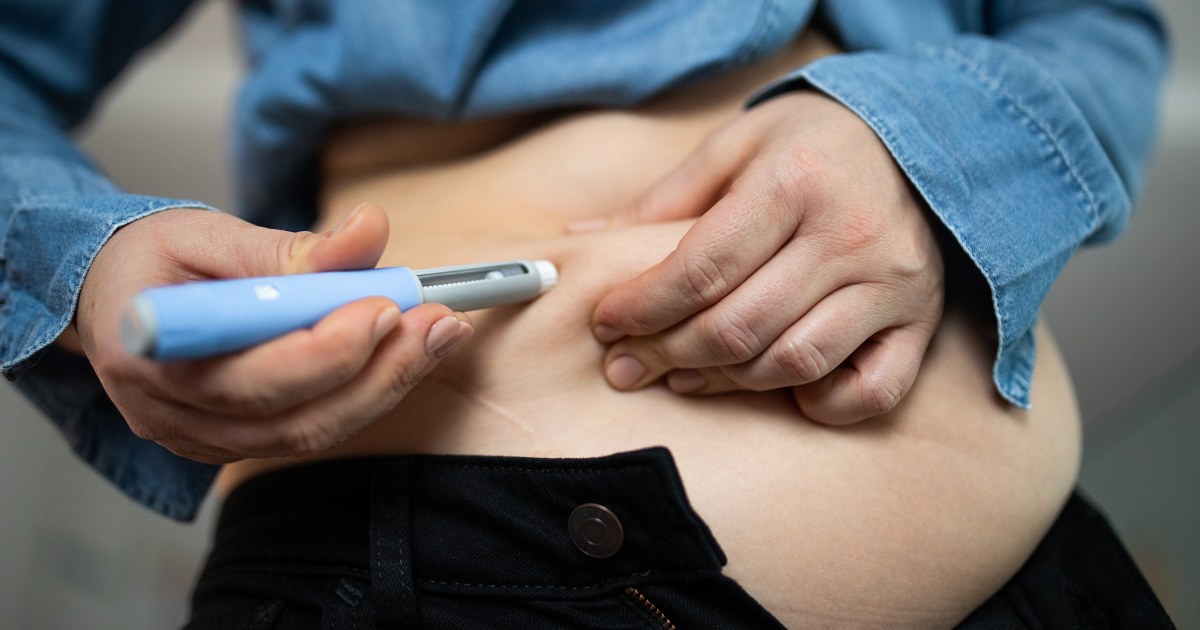
Dosing errors are a separate, documented risk. A KFF Health News review found medication errors tied to GLP-1s have risen sharply in FDA data [2]. One Tennessee patient, Karleigh McClain, was hospitalized within 24 hours of her first injection after a telehealth company instructed her to take 2.21 mg of semaglutide weekly — nearly nine times a typical starting dose — and a "care team" representative confirmed the instructions were correct [2]. Bad outcomes are not unique to compounders or telehealth: most product liability suits alleging GLP-1 injuries have been filed against Eli Lilly and Novo Nordisk, which have defended their products [2].
What happens next
Empower's motion to dismiss is pending in Harris County, Texas, and Wilson's suit remains pending in Kentucky [1]. Illinois' investigation of the Rose case is ongoing [1]. Whether regulators will act against any telehealth company, rather than the pharmacies, is not yet known from these reports.
Images from the sources
Sources
Semaglutides.org is for information only and is not medical advice. Always talk to a licensed healthcare provider about your own care. Some links to telehealth services are affiliate links, labeled where they appear.