SOUL full results presented at ACC 2025 and published in NEJM
A 9,650-person trial found major cardiovascular events in 12.0% of people taking daily oral semaglutide versus 13.8% on placebo, but kidney and limb outcomes showed no significant difference [3].
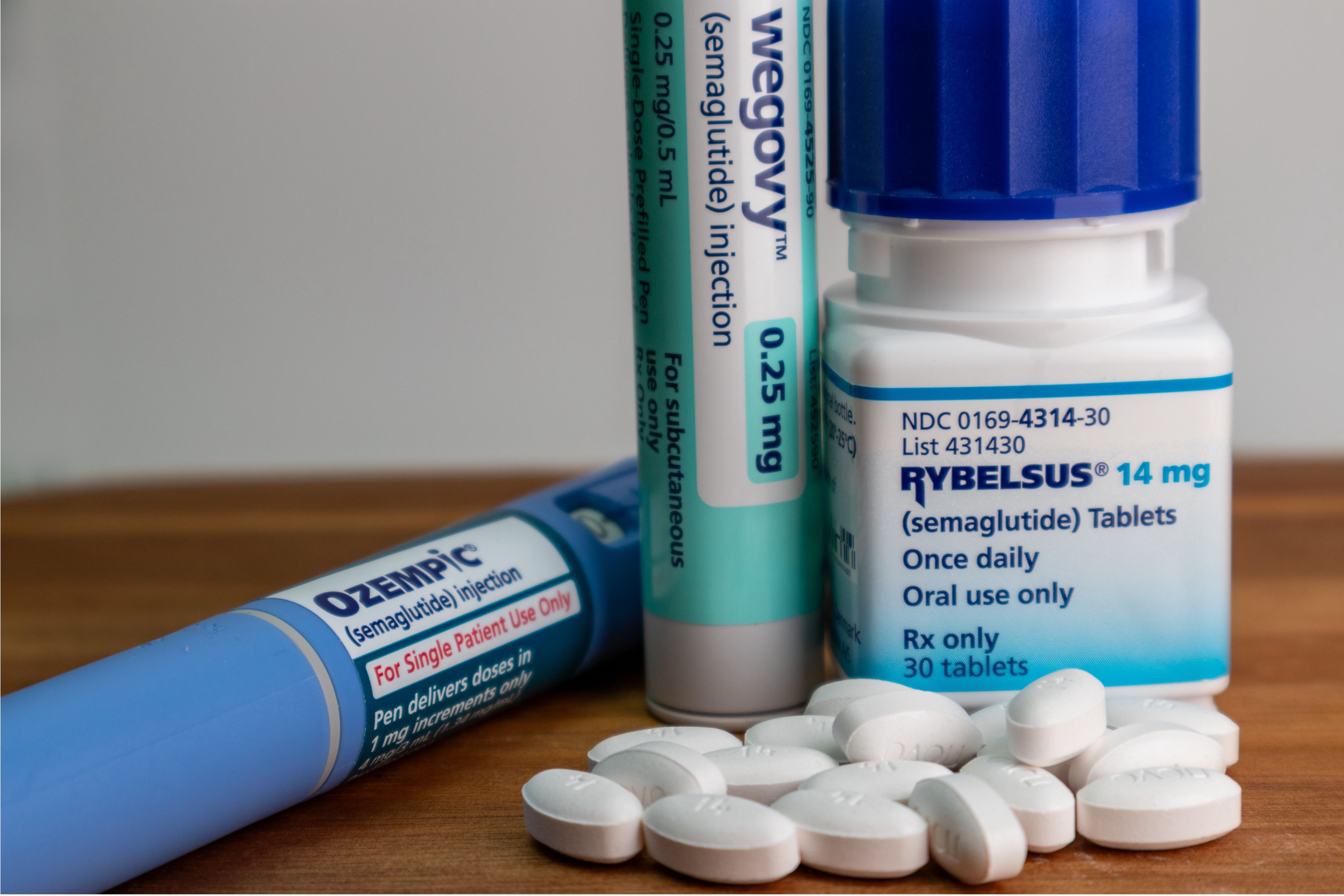
Full results from the SOUL trial were presented March 29, 2025 at the American College of Cardiology Annual Scientific Session in Chicago and published the same day in The New England Journal of Medicine [1][2]. The trial tested once-daily oral semaglutide, a tablet form of the GLP-1 drug, in people with type 2 diabetes who already had heart or kidney disease.
SOUL randomly assigned 9,650 participants to oral semaglutide (maximum dose 14 mg, started at 3 mg and escalated to 7 mg and then 14 mg) or a matching placebo, on top of standard care [2][3]. To enroll, people had to be 50 or older, have type 2 diabetes with an A1c between 6.5% and 10.0%, and have coronary artery disease, cerebrovascular disease, symptomatic peripheral artery disease, or chronic kidney disease [2]. Mean age was 66.1 years, and 28.9% of participants were women [2]. The trial was funded by semaglutide maker Novo Nordisk [1][2].
What the numbers showed
Over a mean follow-up of 47.5 months and a median of 49.5 months, a primary-outcome event occurred in 579 of 4,825 people (12.0%, or 3.1 events per 100 person-years) on oral semaglutide, versus 668 of 4,825 (13.8%, or 3.7 per 100 person-years) on placebo [3]. That is a hazard ratio of 0.86 (95% CI, 0.77 to 0.96), which the NEJM abstract and the ACC trial summary report with a P value of 0.006 [2][3]; a conference report from AJMC listed P = .0028 [1]. The relative reduction works out to about 14% [1].
The primary outcome was a three-part composite. The NEJM abstract defines it as death from cardiovascular causes, nonfatal heart attack, or nonfatal stroke [3]; the ACC's trial summary describes the composite as all-cause death, nonfatal heart attack, or nonfatal stroke [2]. AJMC reported that the drop in nonfatal heart attacks drove most of the benefit, though its summary lists that reduction as 20% in one place and 26% in another; reductions in nonfatal stroke (12%) and cardiovascular death (7%) did not reach statistical significance on their own [1].
The confirmatory secondary outcomes — major kidney disease events (a five-point composite), major adverse limb events, and serious adverse events — were not significantly different between the two groups [2][3]. Serious adverse events occurred in 47.9% of the semaglutide group and 50.3% of the placebo group, and serious gastrointestinal disorders in 5.0% and 4.4%, respectively [3].
At an ACC press conference, Gina Lundberg, MD, of Emory University called the discontinuation rate of 20% to 30% "concerning," while noting it was similar in both the semaglutide and placebo groups [1]. Common gastrointestinal side effects included nausea, constipation, and diarrhea [1]. Lundberg also flagged the trial's predominantly White and male enrollment and said cost remains a barrier: "my patients can't benefit from a drug they can't afford" [1].
Sources also differ on trial size details: AJMC reports 450 sites in 44 countries, while the ACC summary lists 444 sites in 33 countries [1][2].
Why it matters for patients
The absolute difference between groups was 1.8 percentage points over roughly four years — 12.0% versus 13.8% [3]. That is the gap behind the "14% reduction" headline, and both framings describe the same result.
Practically, this is the first oral GLP-1 receptor agonist to show cardiovascular efficacy as well as safety, which matters for people who are unwilling or unable to use injections, said presenter Darren K. McGuire, MD, MHSc, of UT Southwestern [1]. Nearly half of participants were also taking SGLT2 inhibitors, and there was no significant interaction between the two drug classes, which McGuire said suggests they can be used together [1].
What SOUL did not show is also relevant: kidney and limb outcomes were not significantly better with the tablet [2][3]. And a fifth to a third of participants in both arms stopped their assigned pill [1].
What happens next
The results were presented and published March 29, 2025 [1][2]. Whether regulators expand the label for oral semaglutide based on SOUL is not addressed in these sources. Lundberg called for more studies including more women [1].
Sources
Semaglutides.org is for information only and is not medical advice. Always talk to a licensed healthcare provider about your own care. Some links to telehealth services are affiliate links, labeled where they appear.