Review lays out the evidence behind both GIP directions
A new peer-reviewed review proposes one biological explanation for why some obesity and diabetes drugs try to turn on the GIP hormone receptor while others try to turn it off, a debate that could shape future GLP-1 drug design [1].
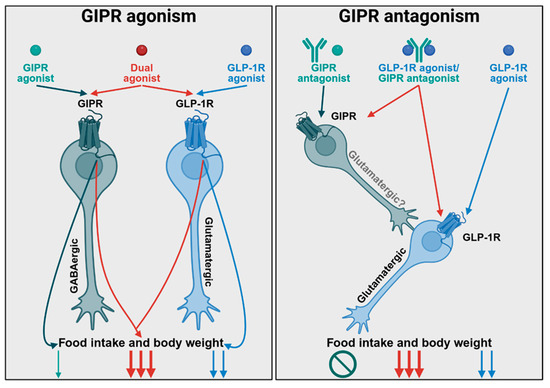
A review published May 29, 2025, in the Journal of Clinical Medicine lays out the scientific reasoning behind two opposite drug strategies built around the same hormone receptor: GIP receptor agonism, which activates the receptor, and GIP receptor antagonism, which blocks it [1]. Both approaches have been pursued by drugmakers working on obesity and type 2 diabetes treatments, and the paper's authors set out to explain why activating and blocking the same target might each produce a benefit when combined with GLP-1 activity [1].
The paper, titled "The Premise of the Paradox: Examining the Evidence That Motivated GIPR Agonist and Antagonist Drug Development Programs," was written by Jonathan D. Douros, Stephanie A. Mowery, and Patrick J. Knerr, all based at the Indiana Biosciences Research Institute in Indianapolis [1]. Douros and Knerr previously worked at the Novo Nordisk Research Center in Indianapolis, where they were involved in discovery work on long-acting incretin drug candidates before moving to the institute [1].
The authors propose a unified theory to resolve the apparent contradiction. In their model, GIP receptor agonism works by acting on GABAergic neurons, a type of brain cell that uses the neurotransmitter GABA [1]. GIP receptor antagonism, by contrast, is proposed to work through a different mechanism entirely: releasing a brake on GLP-1's action in glutamatergic neurons, a separate population of brain cells that use the neurotransmitter glutamate [1]. If correct, this would mean the two opposite drug strategies are not actually canceling each other out at the same site, but instead working through separate neural circuits that both ultimately support the effects of GLP-1 [1].
The manuscript went through a standard peer-review timeline: it was submitted on May 2, 2025, revised on May 23, accepted on May 24, and published on May 29, 2025, in the journal's endocrinology and metabolism section [1].
Why it matters for patients
This is a laboratory and theoretical science paper, not a new drug or a change to any approved treatment. It does not affect people currently taking Ozempic, Wegovy, Rybelsus, Mounjaro, Zepbound, or other approved GLP-1 medicines [1].
What it may do is help scientists make sense of results that have looked contradictory: drugs that turn on the GIP receptor and drugs that turn it off have both shown weight-related benefits in company drug development programs, which has puzzled researchers trying to design the next generation of these medicines [1]. A clearer explanation of how GIP receptor agonism and antagonism each interact with GLP-1 signaling in the brain could help guide which approach drugmakers choose for future obesity and diabetes drug candidates [1].
For patients, the practical takeaway is indirect. Understanding the biology behind GIP-targeting strategies could eventually influence how future drugs are designed, potentially affecting their side-effect profiles or how well they work for different people. But the source does not describe any new drug, dose, or treatment recommendation, and it does not indicate that this theory has yet been tested directly in people [1].
What happens next
The source material does not lay out further research timelines, animal studies, or clinical trials tied to this theory. It is not yet known when or whether the GABAergic-versus-glutamatergic framework proposed here will be tested experimentally or how it might shape which GIP-targeting drug candidates move forward in development [1].
Sources
Semaglutides.org is for information only and is not medical advice. Always talk to a licensed healthcare provider about your own care. Some links to telehealth services are affiliate links, labeled where they appear.