European obesity specialists recommend semaglutide and tirzepatide as first-line drugs
A leading European obesity group says semaglutide and tirzepatide should be doctors' first pick for treating obesity, ranking the newer drugs ahead of older weight-loss medicines for the first time.
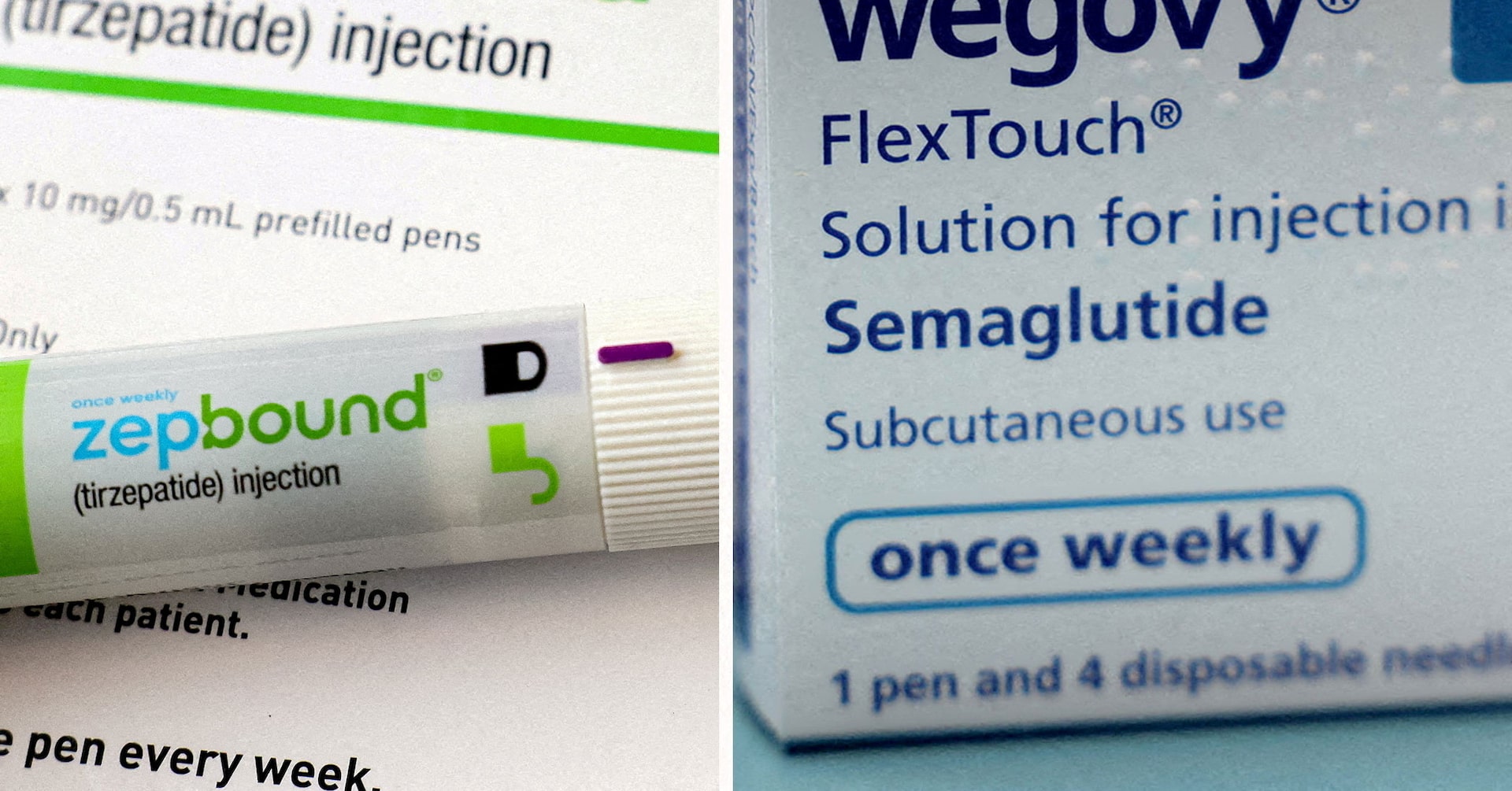
The European Association for the Study of Obesity (EASO) said in a new guideline that semaglutide and tirzepatide should be the first medicines doctors reach for when treating obesity and most of its complications, marking one of the first major medical groups to formally rank the newer incretin drugs ahead of older options [1][2]. The guideline was published October 2 in the journal Nature Medicine [2].
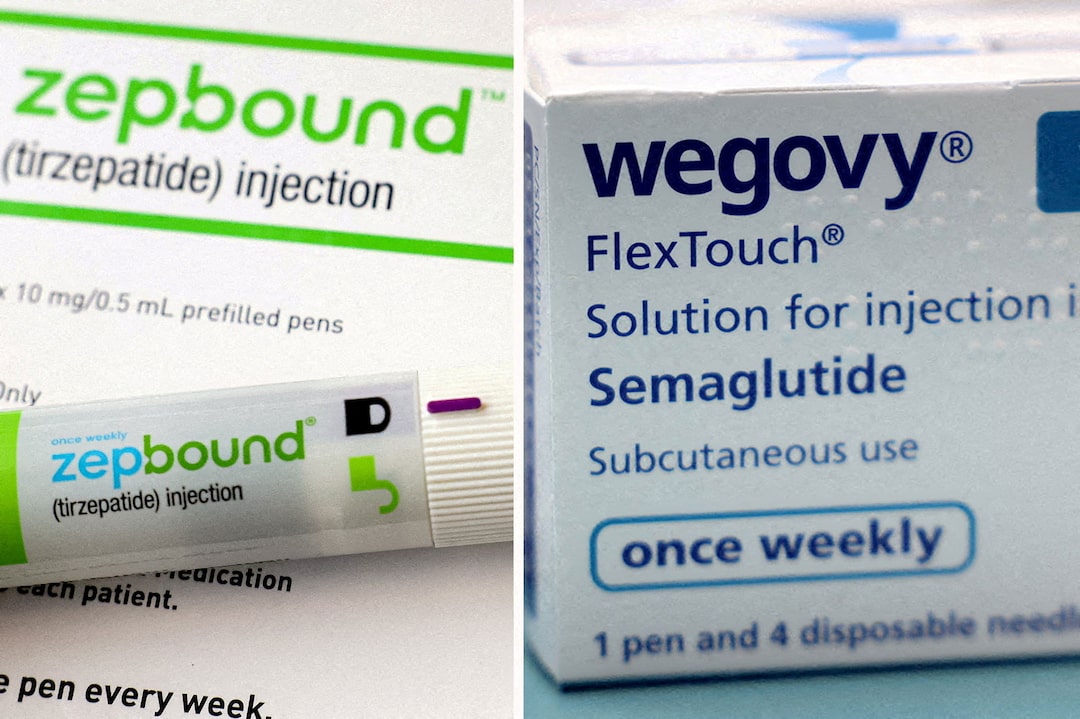
Semaglutide is the active ingredient in Novo Nordisk's Ozempic, Wegovy, and Rybelsus. Tirzepatide is sold by Eli Lilly as Mounjaro and Zepbound [1][2]. The EASO panel says these two drugs should be first choice in almost all cases where substantial weight loss is needed, based on their review of clinical trial evidence through January 31, 2025 [1][2].
The guideline goes further than a blanket recommendation. It matches specific drugs to specific health problems. Tirzepatide is named first-line for obstructive sleep apnea, based on randomized trial data, while semaglutide is preferred for knee osteoarthritis because of its effect on pain [1][2]. For people with a history of heart disease or stroke, semaglutide is recommended due to evidence it lowers major cardiovascular events, while tirzepatide is recommended for non-alcoholic fatty liver disease, now called metabolic dysfunction–associated steatotic liver disease [1][2]. Either drug is recommended for prediabetes or type 2 diabetes [1][2]. The authors note that semaglutide data from the later ESSENCE liver trial came out after their cutoff date and could eventually make it a first-line option for fatty liver disease too [2].
When a smaller amount of weight loss is the goal, the guideline says older drugs like liraglutide, naltrexone-bupropion, and phentermine-topiramate can still be considered [1][2]. The guideline is non-binding, meaning individual countries and health systems are not required to follow it [1].
Why it matters for patients
For US patients, this is a European recommendation, not a US rule, and it does not change FDA labeling or insurance coverage on its own. But it reflects how mainstream medical opinion is shifting: a major specialty society is now saying these drugs are not just effective for weight loss, but should be matched to a patient's specific complications, such as sleep apnea, arthritis, heart disease, or fatty liver [1][2].
The guideline also addresses cost directly. The authors argue that not treating obesity early has its own price, in the form of complications like organ damage down the road, and say that cost should be weighed alongside the price of the drugs themselves in policy decisions [1][2]. That argument could matter as US insurers and Medicare/Medicaid programs continue to debate coverage for GLP-1 drugs.
The guideline also emphasizes that treatment should not be judged only by pounds lost. It calls for attention to mental well-being, physical fitness, and overall quality of life [1][2]. Separately, a joint June 2025 advisory from four US groups, including the Obesity Medicine Association and The Obesity Society, said that GLP-1 treatment needs to be paired with nutrition and lifestyle support, pointing to challenges such as gastrointestinal side effects, nutrient gaps, muscle and bone loss, high cost, people stopping treatment, and weight regain after stopping [1].
Most authors of the EASO guideline reported financial ties to Novo Nordisk or Eli Lilly, which is disclosed in the published paper [2].
What happens next
EASO says it plans to update the treatment algorithm regularly as new evidence comes in, including trial data that arrived after the January 31, 2025 cutoff, such as results on semaglutide and liver disease [2]. It is not yet known whether or when US-based specialty groups will issue a similarly ranked recommendation, or whether US insurers will change coverage policies in response to the European guideline.
Images from the sources


Sources
Semaglutides.org is for information only and is not medical advice. Always talk to a licensed healthcare provider about your own care. Some links to telehealth services are affiliate links, labeled where they appear.