Lilly sues two more Texas companies over tirzepatide replicas
Eli Lilly has sued two more Texas compounding pharmacies, including North American Custom Laboratories, over alleged replicas of Mounjaro and Zepbound, extending a legal campaign now covering 34 states.[1]
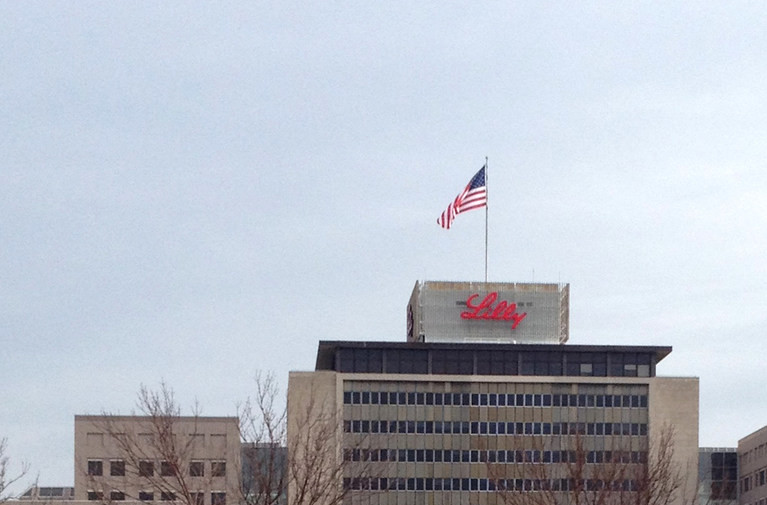
Eli Lilly has filed lawsuits against two more Texas compounding pharmacies, accusing them of producing and selling replica versions of its diabetes drug Mounjaro and its weight loss drug Zepbound, both of which contain tirzepatide.[1] One of the named defendants is North American Custom Laboratories, according to a complaint filed in the case.[1]
The new filings are part of a much larger legal push. Lilly has now sued companies in 34 states, alleging they illegally mass-produced what the company calls "knock-offs" of its GLP-1 drugs.[1] The company's core claim across these cases is that the products being sold are not legitimate compounded medications made for individual patients, but instead are produced at scale in ways that mimic Lilly's own brand-name drugs.[1]
Lilly is not alone in this fight. Novo Nordisk, which makes the GLP-1 drug Ozempic (semaglutide), has filed its own lawsuits in nearly 40 states against companies it accuses of similar conduct.[1] Together, the two drugmakers' legal campaigns represent one of the broadest efforts yet by pharmaceutical companies to challenge the compounding industry over GLP-1 products.
Details about the specific allegations against the two newly sued Texas companies, including what products they sold or how they were marketed, were not available in the source reviewed for this story.[1] The law firm Kirkland & Ellis is identified as representing a party in the litigation, and the case involves entities connected to the pharmaceutical and compounding industries, but further specifics of the complaint were not accessible.[1]
Why it matters for patients
For people who have used compounded tirzepatide or semaglutide products, especially during the shortages of brand-name Mounjaro, Zepbound, Ozempic, and Wegovy in recent years, these lawsuits are a reminder that not all products marketed as GLP-1 medications come from the same supply chain or meet the same standards. Lilly's central argument in these cases is that some sellers are producing replica drugs outside the bounds of legitimate compounding practice, which traditionally involves customizing a medication for a specific patient's needs rather than mass production.[1]
The scale of this legal campaign, now spanning 34 states for Lilly and nearly 40 for Novo Nordisk, suggests that concerns about compounded GLP-1 products are not limited to a handful of bad actors but reflect a broader pattern the companies say they are trying to stop.[1] Patients considering or currently using a compounded version of a GLP-1 drug may want to be aware that the source or manufacturer of that product could become the subject of legal scrutiny, though this story does not indicate that any specific product has been recalled or found unsafe.
It is not yet known from available information what specific harms, if any, have been alleged to result from the products sold by the two newly sued Texas companies, or what remedies Lilly is seeking in these particular cases.
What happens next
The case against the two Texas companies, including North American Custom Laboratories, is now in the court system, though the source reviewed did not specify a court, judge, or scheduled hearing date.[1] Given the pattern of Lilly's litigation across 34 states, additional lawsuits against other compounding pharmacies may follow, though no future filings were confirmed in the available reporting.[1]
Sources
Semaglutides.org is for information only and is not medical advice. Always talk to a licensed healthcare provider about your own care. Some links to telehealth services are affiliate links, labeled where they appear.