A small imaging study suggests tirzepatide dampens a binge-eating brain signal
A tiny brain-monitoring study found that tirzepatide, the drug in Mounjaro and Zepbound, temporarily quieted a brain signal tied to binge-eating urges in one patient, then the signal returned within months.
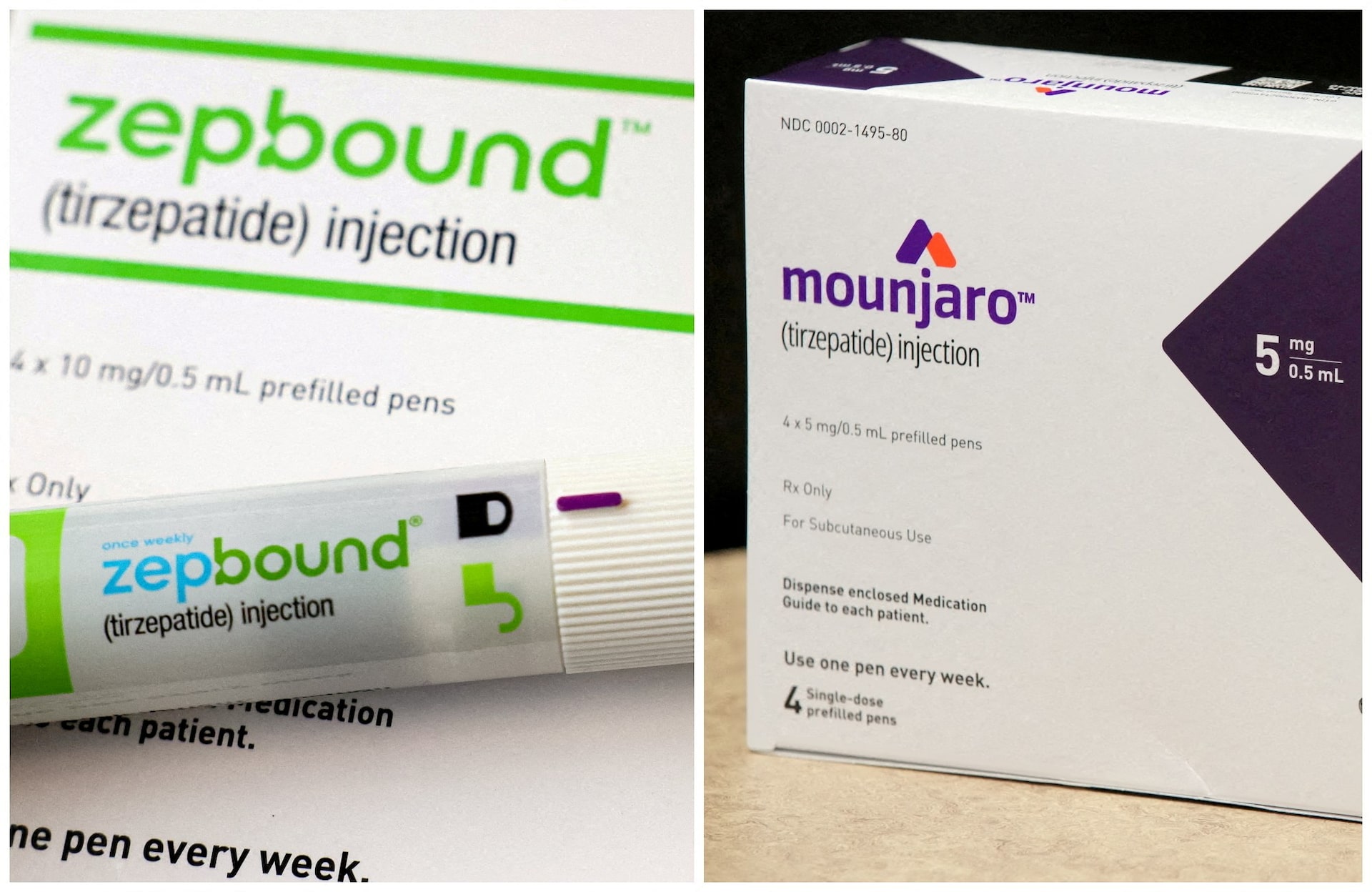
Researchers who directly measured brain activity in a patient with severe binge-eating problems say Eli Lilly's tirzepatide appeared to temporarily quiet a food-craving signal in the brain's reward center [1]. The findings, published Monday in Nature Medicine, come from a single patient and cannot be generalized to others, the study authors cautioned [1][2].
Tirzepatide is sold as Mounjaro for type 2 diabetes and as Zepbound for weight loss [1]. This is the first time scientists have directly recorded brain activity in a person taking the drug, offering a window into how it may affect "food noise," the persistent mental preoccupation with eating that can drive binge episodes [1].
The patient was one of four people enrolled in the first human trial of deep-brain stimulation for loss-of-control eating disorders such as binge-eating and bulimia [1]. Researchers were tracking activity in the nucleus accumbens, a brain region tied to reward, using surgically implanted electrodes meant to eventually deliver electrical pulses that block binge-eating signals before they escalate [1]. This particular patient's doctor had already prescribed tirzepatide for her type 2 diabetes and obesity before the electrodes were implanted [1].
During the first months of monitoring, she reported no food preoccupation, and her nucleus accumbens showed no craving signal at all [1]. "Activity in her nucleus accumbens was so quiet that it almost made us think our system wasn't working," said Dr. Casey Halpern of the University of Pennsylvania's Perelman School of Medicine, who led the study [1]. Other trial participants not taking tirzepatide showed the typical elevated activity and frequent bouts of food preoccupation [1].
The effect did not last. Five months later, researchers detected nucleus accumbens activity consistent with binge-eating, specifically an increase in delta-theta frequency power at or below 7 Hz, and the patient reported episodes of severe food preoccupation returning [1][2]. Halpern said this is likely because tirzepatide was designed and optimized to treat diabetes and obesity, not binge-eating disorders specifically [1]. He said GLP-1 class drugs might need to be redesigned to target the nucleus accumbens directly and to be optimized for mental health conditions in order to produce a lasting effect on severe food preoccupation [1].
The published paper notes that food preoccupation and dysregulated eating affect up to 60% of patients with obesity and related eating disorders, and that earlier data on GLP-1 drugs already suggested some patients may develop a tolerance effect over time when it comes to appetite control [2].
Why it matters for patients
This study does not show that tirzepatide treats binge-eating disorder, and it was not designed to test that. It is a case report from one patient inside a much larger trial focused on brain stimulation devices, not on GLP-1 drugs [1][2]. Anyone taking Mounjaro or Zepbound should not read this as evidence the drug will control food preoccupation or binge-eating urges, since the effect seen here faded within months in the one patient studied [1].
The finding does add to a broader scientific question about whether GLP-1 and GIP drugs act on the brain's reward circuitry and not just on appetite hormones in the stomach and gut [2]. That distinction matters because current drugs, including semaglutide (Ozempic, Wegovy, Rybelsus) and tirzepatide (Mounjaro, Zepbound), were developed and tested for diabetes and weight loss, not specifically for eating disorders [1][2]. Researchers say a drug purpose-built to target the nucleus accumbens might work differently, and possibly more durably, than existing therapies [1].
What happens next
Halpern said he hopes the report will encourage more rigorous study into whether incretin-based drugs, or new versions of them, could help treat eating disorders such as binge-eating and bulimia [1]. The deep-brain stimulation trial that produced this finding is continuing, according to its registration on ClinicalTrials.gov (NCT03868670) [2]. No dates were given for when a larger study of GLP-1 drugs and eating disorders might begin.
Images from the sources

Sources
Semaglutides.org is for information only and is not medical advice. Always talk to a licensed healthcare provider about your own care. Some links to telehealth services are affiliate links, labeled where they appear.