Novo Nordisk's Canadian semaglutide data protection expires, opening door to generics
Canada's semaglutide data exclusivity ended January 4, 2026, and two generic versions are already approved there, years before US generic entry is expected.
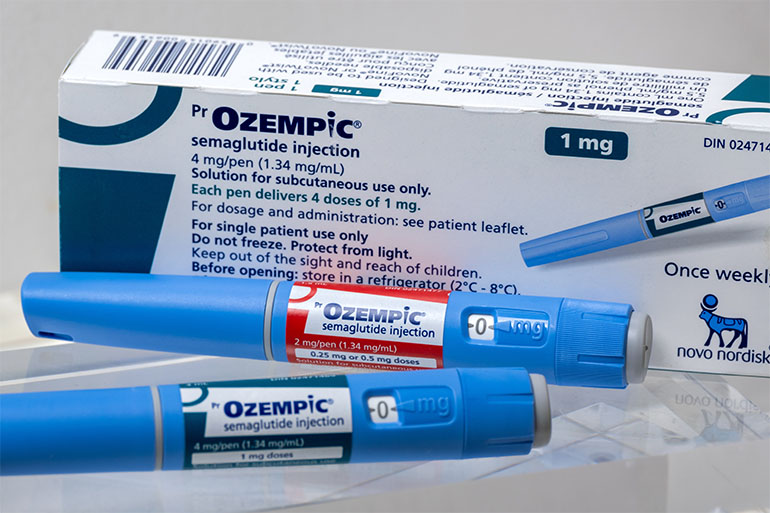
Novo Nordisk's Canadian data exclusivity on semaglutide expired on January 4, 2026 [2][3]. Because the drug's core Canadian compound patent had already lapsed years earlier over an unpaid maintenance fee, that expiry left Canada open to generic versions of Ozempic far earlier than the United States [2][3][4].
Health Canada moved quickly after the exclusivity lapse. As of mid-January, the regulator had nine generic semaglutide applications under review and had not given a timeline [2]. On April 28, 2026, it authorized a generic semaglutide injection from Dr. Reddy's Laboratories, the first time a G7 country approved a generic version of the drug [4]. On May 1, 2026, it authorized a second, from Canadian-based Apotex, and said seven other submissions from different companies were under review, with decisions expected in the coming weeks and months [1]. The Apotex product is indicated for once-weekly treatment of adults with type 2 diabetes to manage blood sugar levels [1]. The Dr. Reddy's authorization covered 2 mg/pen and 4 mg/pen presentations at 1.34 mg/mL [4].
The patent history behind the opening is unusual. Novo Nordisk failed in 2019 to pay a CAD $250 maintenance fee on Canadian patent CA 2601784; the initial amount due was about $188 USD, and with the late fee the total came to CAD $450, or roughly $339 USD [4]. The patent lapsed permanently. Records show the last maintenance payment was received October 23, 2018, and the time limit for reversal expired August 31, 2020 [4]. Canada's certificate of supplementary protection register lists semaglutide with patent 2601784, a March 20, 2026 patent expiry date, and a term that would have extended protection to March 20, 2028 [4]. Novo Nordisk has said the lapse was a strategic choice rather than an error [3][4]. Because the compound patent was not on Canada's Patent Register, the typical 24-month litigation stay did not apply, which streamlined approvals [3].
Price expectations in Canada are steep. Many generic medications there are 45 to 90 percent cheaper than brand versions [1]. Sandoz committed to pricing its generic semaglutide up to 70 percent below branded equivalents, potentially cutting monthly costs from about CAD 1,000 to CAD 300 or less [3]. Once three generic competitors are on the market, Canadian policy drives list-price discounts of about 65 percent [2]. One analysis projected Canadian healthcare savings above CAD 500 million a year once generics reach scale [3]. Analysts quoted by Bloomberg expected dozens of manufacturers to drive a price war that could push monthly costs to around $15 in some countries [2]. Ozempic is Canada's best-selling drug, with CAD $2.9 billion in sales in 2025, more than three times the next best-selling drug, and more than a million Canadians are on it [4].
Why it matters for patients
The approvals announced so far cover the type 2 diabetes indication, not weight loss [1]. Whether generic semaglutide will be authorized or used in Canada for obesity has not been reported.
For people in the United States, Canadian generic entry does not change supply or pharmacy prices. Novo Nordisk's patent table lists US active-ingredient protection for Ozempic, Wegovy and Rybelsus running to 2032, with Japan and Europe at 2031 [4]. The company settled US Ozempic patent litigation with Alvogen, Rio Biopharmaceuticals, Sun Pharma, Dr. Reddy's, Mylan, Zydus and Apotex; the settlement terms are confidential [4]. One patent analysis suggested Canada could become a testing ground whose pricing effects reach the US through importation programs, but that is a projection, not a current change [3].
Quality oversight is a stated focus. Health Canada describes generic semaglutide injections as complex synthetic products that are pharmaceutically equivalent to the brand-name drug, and says it will keep monitoring safety and effectiveness [1]. IQVIA warned that as more manufacturers enter, "the dangers of counterfeiting and substandard quality are likely to be multiplied" [2]. Angie Jackson-Morris of the World Obesity Federation told Bloomberg that "the affordability that will come with generics and biosimilars will be hugely game-changing," adding that people at high cardiometabolic risk "deserve access to treatment alongside prevention and support" [2].
What happens next
Health Canada is reviewing seven more generic semaglutide submissions, with decisions expected over the coming weeks and months [1]. Sandoz, which had aimed to launch in the first half of 2026, now expects the Canadian generic market to take shape in the third quarter of 2026, after it and Dr. Reddy's were told to provide more data [2]. Dr. Reddy's has outlined plans to launch generic semaglutide in 87 countries, including Canada, as early as March 2026 [3], and Aspen Pharmacare plans to launch first in Canada and emerging markets [2]. No US generic launch date has been disclosed [4].
Images from the sources
Sources
- https://www.canada.ca/en/health-canada/news/2026/05/canada-approves-second-generic-semaglutide-the-first-g7-country-to-do-so.html
- https://www.benefitsandpensionsmonitor.com/benefits/pharma/ozempic-generics-set-to-test-canadas-drug-budgets/392976
- https://patentlawyermagazine.com/the-semaglutide-saga-continues-navigating-generic-entry-and-reinforcing-patent-strategies-in-canada
- https://www.drugdiscoverytrends.com/canada-approves-generic-semaglutide-from-dr-reddys-a-g7-first-enabled-by-novo-nordisks-lapsed-cad250-patent/
Semaglutides.org provides information only, not medical advice. Talk to a licensed provider about your own care before making changes. Some telehealth links are affiliate links and are labeled where they appear.