FDA approves renaming the R2 oral semaglutide from Rybelsus to Ozempic tablets
The FDA signed off on renaming the newer oral semaglutide tablets from Rybelsus to Ozempic tablets on January 30, 2026, so US patients may see a new name and lower milligram numbers on the same medicine.
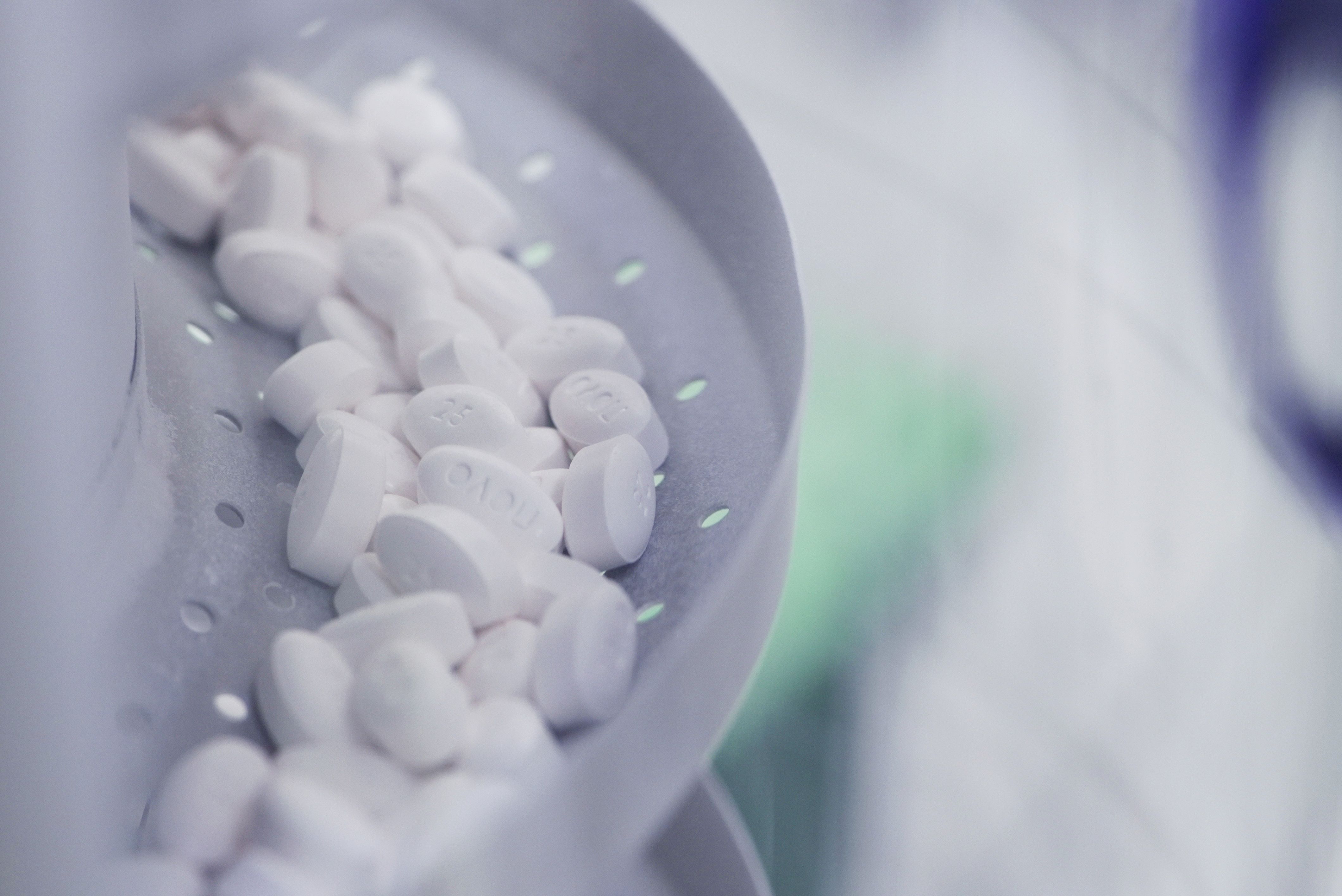
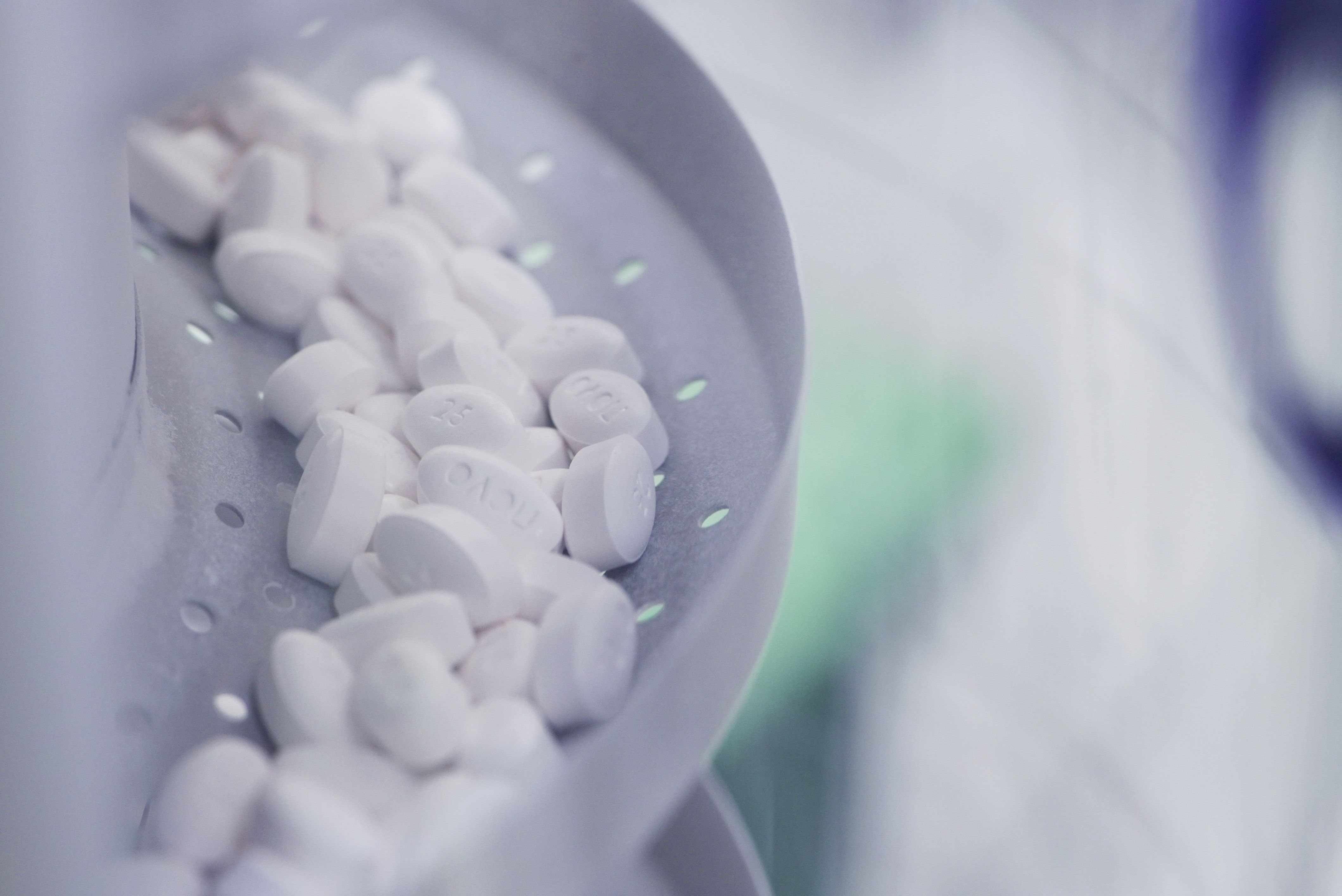
The FDA approved a supplemental application on January 30, 2026, that changes the brand name of the reformulated oral semaglutide product — known as the R2 formulation — from Rybelsus to Ozempic tablets [1]. The tablets come in 1.5 mg, 4 mg and 9 mg strengths and remain approved for adults with type 2 diabetes [1][2].
The indications did not change with the name. Ozempic tablets are approved as an adjunct to diet and exercise to improve blood sugar control in adults with type 2 diabetes, and to reduce the risk of major adverse cardiovascular events — cardiovascular death, non-fatal heart attack or non-fatal stroke — in adults with type 2 diabetes who are at high risk for those events [2][4]. Novo Nordisk said the goal of the rebrand was to bring the oral and injectable versions of semaglutide under one recognizable name for diabetes [6].
Two tablet products, two sets of numbers
The current prescribing information now covers both products at once: Rybelsus tablets in 3 mg, 7 mg and 14 mg, and Ozempic tablets in 1.5 mg, 4 mg and 9 mg [2]. The label states plainly that the two are "not substitutable on a mg-to-mg basis" and includes separate instructions for switching between them and for switching from Ozempic injection to either tablet [2].
The reason is chemistry, not strength. According to a Pharmacy Times review, the R2 formulation delivers roughly 25% greater semaglutide exposure than the original formulation because of changes in the inactive ingredients, so 1.5 mg of R2 is bioequivalent to 3 mg of the older tablet, 4 mg matches 7 mg, and 9 mg matches 14 mg [3]. The article notes pharmacists should reassure patients that "a lower dose number does not mean a weaker medication" [3].
The R2 formulation itself is not new. The FDA approved it on December 9, 2024 under the Rybelsus name [1][4]. Oral semaglutide added the cardiovascular risk-reduction indication in October 2025, supported by the phase 3 SOUL trial in 9,650 people with high-risk type 2 diabetes [1][3].
A separate pill for weight
This is distinct from the oral semaglutide approved for weight. On December 22, 2025, the FDA approved Wegovy tablets in 1.5 mg, 4 mg, 9 mg and 25 mg for weight reduction in obesity or overweight and for cardiovascular risk reduction in that population [1][4]. That approval rested on OASIS 4, a 64-week trial in 307 adults with obesity or overweight and no diabetes, where the 25 mg tablet produced a mean 13.6% weight loss versus 2.2% with placebo; among people who stayed on treatment, mean loss reached 16.6% and about one in three lost 20% or more [3].
Ozempic tablets are not approved for weight management — only for blood sugar control and cardiovascular risk reduction in type 2 diabetes [3].
Why it matters for patients
The most practical consequence is label confusion. Someone refilling a prescription may see a different brand name and a smaller milligram number on the bottle while taking the same molecule at an equivalent exposure [3]. Because the two tablet lines are not interchangeable milligram for milligram, the prescribing information directs that switching follow specific instructions rather than matching numbers [2].
Administration rules are unchanged and strict: the label says to take the tablet once daily on an empty stomach in the morning with no more than 4 ounces of plain water, to swallow it whole without splitting or crushing, and to wait at least 30 minutes before eating, drinking other liquids or taking other oral medicines [2]. The boxed warning for thyroid C-cell tumors and contraindications for people with a personal or family history of medullary thyroid carcinoma or MEN 2 also carry over [2]. The most common side effects at 5% or higher remain nausea, abdominal pain, diarrhea, decreased appetite, vomiting and constipation [1][2].
What happens next
Novo Nordisk said in early February 2026 that the Ozempic pill would be available in the US in the second quarter of 2026 [6][9]. Pharmacy Times reports the company launched the R2 formulation nationwide under the Ozempic name as of May 4, 2026, effectively phasing out Rybelsus in the US [3]. Whether and for how long the older 3 mg, 7 mg and 14 mg Rybelsus tablets remain on US pharmacy shelves is not spelled out in these sources, and the documents here do not address naming in markets outside the United States.
Images from the sources
Sources
- https://www.drugs.com/history/rybelsus.html
- https://dailymed.nlm.nih.gov/dailymed/drugInfo.cfm?setid=27f15fac-7d98-4114-a2ec-92494a91da98
- https://www.pharmacytimes.com/view/from-rybelsus-to-the-wegovy-pill-what-pharmacists-need-to-know-about-the-next-generation-of-oral-semaglutide
- https://www.drugs.com/history/ozempic.html
- https://www.primetherapeutics.com/glp-1-pipeline-update-august-2026
- https://www.epocrates.com/online/article/rybelsus-rebranded-as-ozempic-pill
- https://www.accessdata.fda.gov/drugsatfda_docs/appletter/2026/213051Orig1s030ltr.pdf
- https://www.hcplive.com/view/novo-nordisk-rebrands-rybelsus-as-ozempic-to-increase-patient-awareness
- https://www.drugs.com/newdrugs/novo-nordisk-introduces-ozempic-pill-available-us-q2-2026-6720.html
Semaglutides.org is for information only and is not medical advice. Always talk to a licensed healthcare provider about your own care. Some links to telehealth services are affiliate links, labeled where they appear.