A preprint suggests Wegovy preserves lean mass better than Zepbound
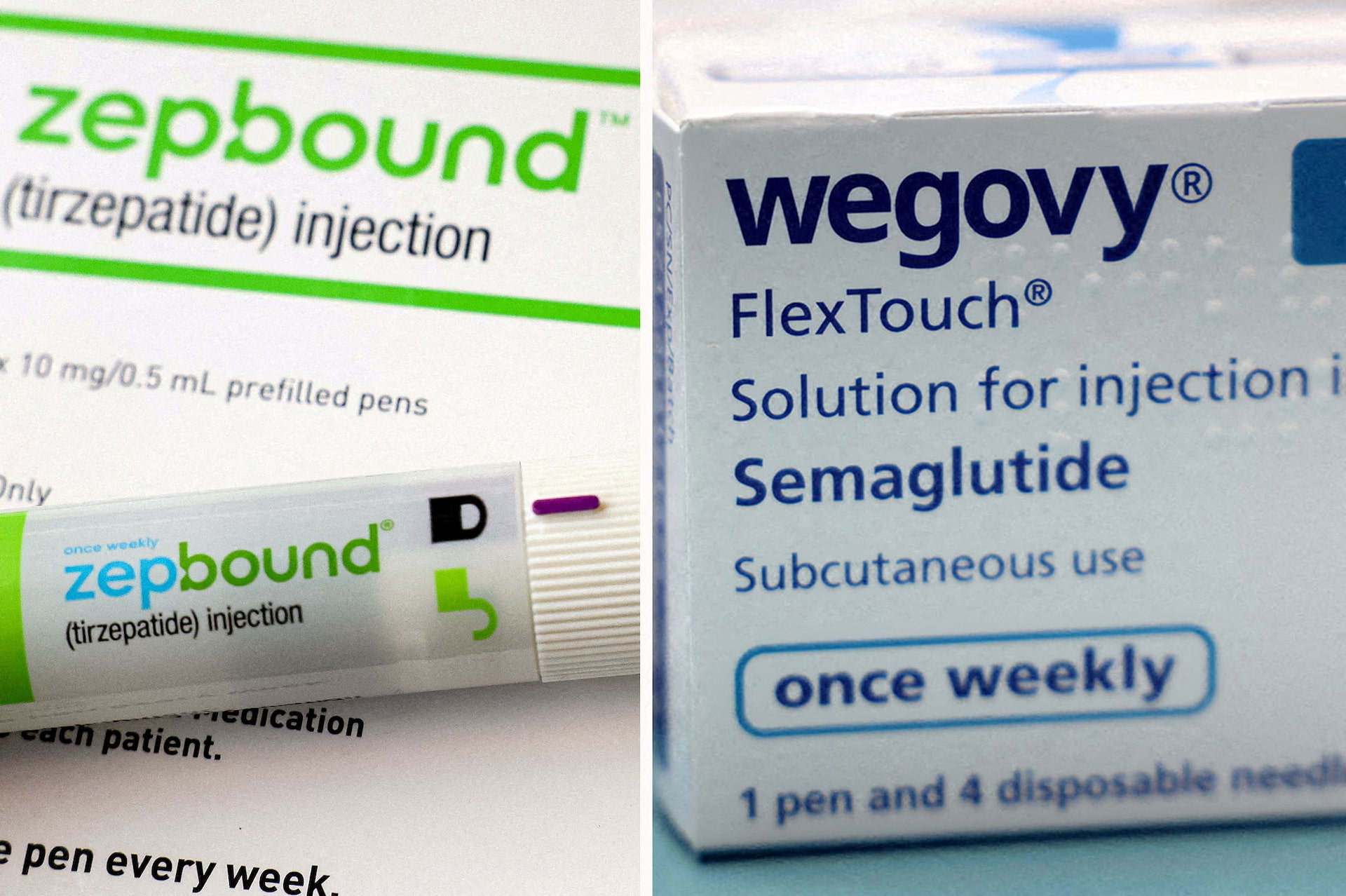
A new preprint found that Zepbound (tirzepatide) users lost more total weight but also more muscle and lean tissue than Wegovy (semaglutide) users, though the study has not yet been peer-reviewed and Novo and Lilly disagree on what it means [1].
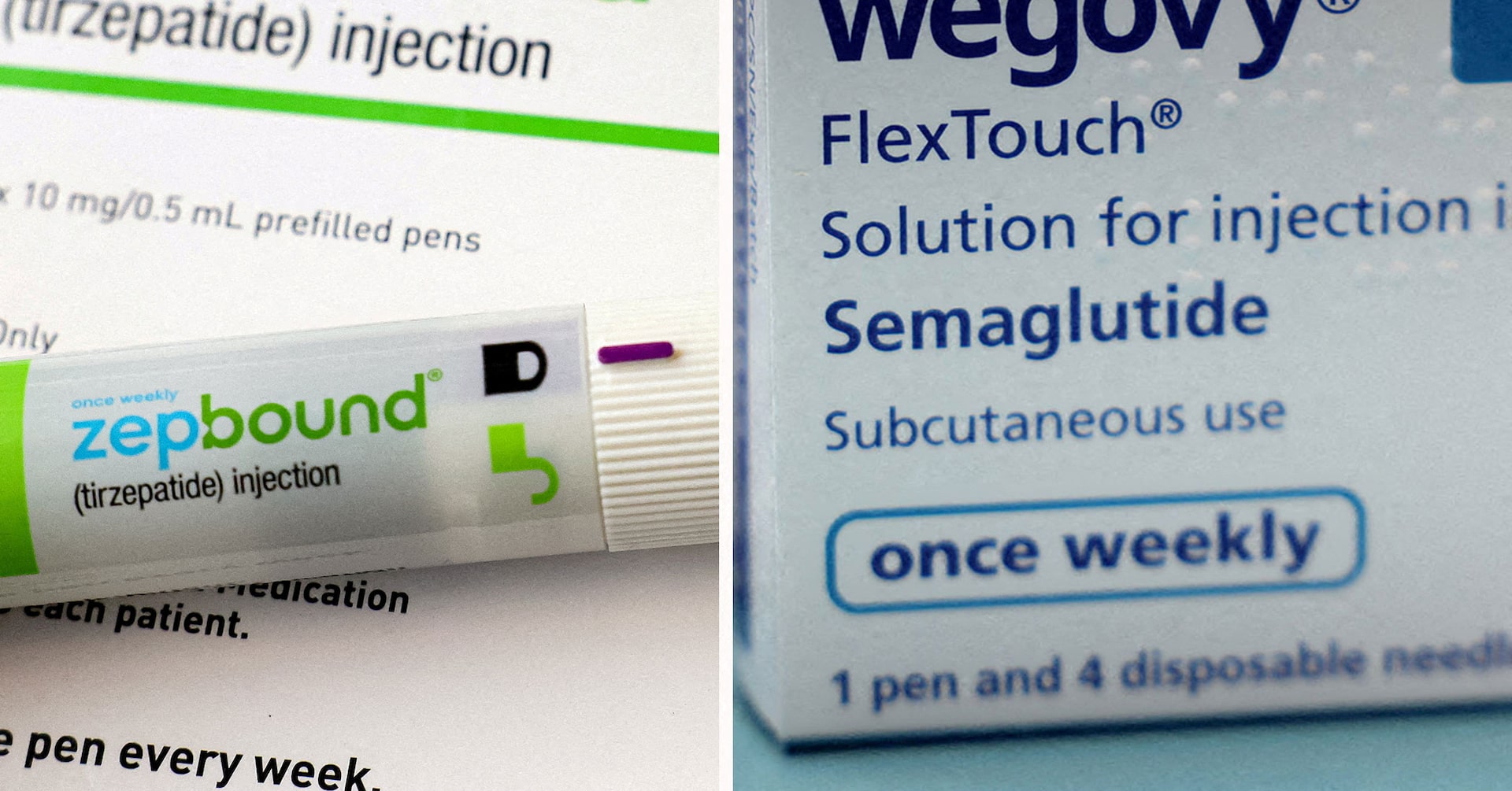
A study posted online this week, before undergoing peer review, found that tirzepatide, sold as Zepbound and Mounjaro, produced greater average weight loss than semaglutide, sold as Wegovy and Ozempic, but also caused more loss of lean body mass, including muscle and connective tissue [1]. The analysis was done by nference, a Massachusetts-based data analytics firm, using data from roughly 1,800 patients on tirzepatide and 6,200 on semaglutide [1].
According to the analysis, tirzepatide patients lost an average of 1.1% more lean body mass than semaglutide patients after three months of treatment, and 2% more after 12 months of continuous use [1]. Lean mass includes muscle, bone, and other non-fat tissue, and researchers tracked it using either low-radiation body scans or "smart" scales that estimate fat percentage, muscle mass, and bone mass [1].
The study also found that about 10% of tirzepatide users who lost more than 20% of their total body weight also lost more than 5% of their lean body mass. Among semaglutide users who lost the same amount of total weight, fewer than 7% had that much lean-mass loss [1]. Study leader Venky Soundararajan of nference said the findings suggest weight-loss totals alone should not drive treatment decisions [1].
Both drug makers pushed back on how to read the results. A Novo Nordisk spokesperson said that in the company's own clinical trials, changes in muscle mass did not significantly differ between semaglutide and placebo groups, and that physical function was preserved [1]. A Lilly spokesperson said that fat loss from healthy dieting is also typically accompanied by lean-mass loss, and that in Lilly's late-stage trial, the ratio of fat loss to lean-mass loss with tirzepatide was generally consistent with what has been reported for lifestyle-based obesity treatments [1]. The study itself could not explain why tirzepatide, which mimics both the GLP-1 and GIP hormones, was linked to more lean-mass loss than semaglutide, which mimics only GLP-1 [1].
Researchers also found that reduced exercise tolerance during treatment was linked to greater lean-mass loss in both drug groups, but the link was stronger among tirzepatide users [1]. Higher doses, longer treatment duration, and pre-existing musculoskeletal pain were also tied to greater lean-mass decline with both drugs [1]. Soundararajan described a potential feedback loop: patients who start with a drug more likely to cause lean-mass loss, and who already have musculoskeletal problems, may become less able to tolerate exercise, which in turn worsens lean-mass loss if they are not physically active during treatment [1]. It is not yet known from this preprint whether these lean-mass differences translate into different long-term outcomes for strength, mobility, or overall health.
Why it matters for patients
For people choosing between semaglutide and tirzepatide, or already using one of these drugs, the study adds a data point beyond the headline number on the scale. Total weight loss has often been the main figure patients and doctors compare, but this analysis suggests the composition of that lost weight, how much is fat versus muscle and other lean tissue, may differ meaningfully between the two drugs [1]. The researchers found this difference held up across thousands of patients tracked with body-composition tools, not just weight scales [1].
The study also points to exercise capacity as a factor tied to lean-mass outcomes, though it does not establish a treatment recommendation, and the data cannot yet explain why the two drugs behave differently on this measure [1]. Patients with musculoskeletal pain before starting either drug were more likely to see lean-mass loss, according to the analysis [1]. It is not known from these sources whether the FDA or other regulators plan to weigh in on these body-composition endpoints.
What happens next
The study was posted online on April 11, 2026, without formal peer review [1]. Novo Nordisk and Eli Lilly have each offered competing interpretations of what body-composition data from their own clinical trials show, and neither has commented directly on the new preprint's findings [1]. No timeline for peer review or further study has been reported in these sources.
Images from the sources
Sources
Semaglutides.org is for information only and is not medical advice. Always talk to a licensed healthcare provider about your own care. Some links to telehealth services are affiliate links, labeled where they appear.