Ozempic prescribing information revised, still with no NAION warning
The US Ozempic label now carries a May 2026 revision date and still lists no warning about NAION, the sudden vision-loss condition European regulators added to semaglutide product information in June 2025 [1][2].
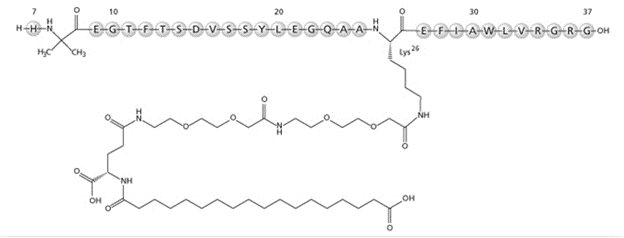
Novo Nordisk's US prescribing information for Ozempic (semaglutide) carries a revision date of 5/2026 and was posted to the National Library of Medicine's DailyMed database on June 1, 2026 [1]. The updated label lists ten Warnings and Precautions subsections, running from thyroid C-cell tumors through pulmonary aspiration [1]. It does not mention non-arteritic anterior ischemic optic neuropathy, or NAION, the eye condition that European regulators concluded in June 2025 is a very rare side effect of semaglutide medicines [1][2].
What the US label says
The Ozempic label keeps its boxed warning about the risk of thyroid C-cell tumors, noting that semaglutide causes these tumors in rodents and that it is unknown whether Ozempic causes them, including medullary thyroid carcinoma (MTC), in humans [1]. The drug is contraindicated in people with a personal or family history of MTC or with Multiple Endocrine Neoplasia syndrome type 2 (MEN 2), and in people with a serious hypersensitivity reaction to semaglutide or the product's other ingredients [1].
The ten Warnings and Precautions sections are: risk of thyroid C-cell tumors (5.1), acute pancreatitis (5.2), diabetic retinopathy complications (5.3), never sharing a pen between patients (5.4), hypoglycemia when used with insulin secretagogues or insulin (5.5), acute kidney injury due to volume depletion (5.6), severe gastrointestinal adverse reactions (5.7), hypersensitivity reactions (5.8), acute gallbladder disease (5.9), and pulmonary aspiration during general anesthesia or deep sedation (5.10) [1].
The only entry under "Recent Major Changes" is the severe gastrointestinal adverse reactions section, dated 10/2025 [1]. That section says Ozempic is not recommended in patients with severe gastroparesis [1]. The label does not spell out what, if anything, changed in the May 2026 revision; that detail is not in the source [1].
The label's approved uses are unchanged: improving blood sugar control in adults with type 2 diabetes, reducing the risk of major adverse cardiovascular events in adults with type 2 diabetes and established cardiovascular disease, and reducing the risk of sustained eGFR decline, end-stage kidney disease and cardiovascular death in adults with type 2 diabetes and chronic kidney disease [1]. The most common adverse reactions reported in at least 5% of patients are nausea, vomiting, diarrhea, abdominal pain and constipation [1].
The NAION gap
On June 6, 2025, the European Medicines Agency's safety committee, PRAC, concluded that NAION is a very rare side effect of semaglutide, meaning it may affect up to 1 in 10,000 people taking the drug [2]. The committee reviewed non-clinical studies, clinical trials, post-marketing surveillance and published literature [2].
PRAC said several large epidemiological studies suggest that semaglutide exposure in adults with type 2 diabetes is linked to roughly a two-fold increase in the risk of NAION compared with people not taking the drug [2]. That translates to about one extra case per 10,000 person-years of treatment, where one person-year means one person taking semaglutide for one year [2]. Clinical trial data also pointed to a slightly higher risk versus placebo [2].
The EMA recommended adding NAION to the product information for Ozempic, Rybelsus and Wegovy as a "very rare" side effect, advised patients with sudden vision loss or rapidly worsening eyesight to contact their doctor without delay, and said semaglutide should be stopped if NAION is confirmed [2]. The summary describing this development also references a UK regulatory change in mid-2025, but no UK source is provided here, so that action cannot be confirmed from these documents.
Why it matters for patients
The US prescribing information is the document that drives what pharmacists hand out, what the Medication Guide says, and often what clinicians discuss at a visit [1]. A risk described in European product information but absent from the US label can mean a US patient never hears about it from the packaging.
The US label does address eyes in a different way: section 5.3 covers diabetic retinopathy complications, reported in a clinical trial, and says patients with a history of diabetic retinopathy should be monitored [1]. That is a separate issue from NAION [1][2].
It is also worth keeping the scale in view. PRAC's estimate is roughly one additional NAION case per 10,000 person-years of treatment [2].
What happens next
The sources do not say whether the FDA is reviewing NAION for the US semaglutide labels, or when a decision might come. That remains unknown. The next signal would be a new revision date and a changed Warnings and Precautions list on DailyMed, where the current version is dated 5/2026 and was posted June 1, 2026 [1].
Sources
Semaglutides.org is for information only and is not medical advice. Always talk to a licensed healthcare provider about your own care. Some links to telehealth services are affiliate links, labeled where they appear.