ADA 2026 opens in New Orleans with a wave of obesity data
Phase 3 data for retatrutide, orforglipron, CagriSema and survodutide landed at the ADA's June 5–8 meeting, and new ADA Standards of Care now treat heart and kidney risk as a co-primary goal alongside A1C [1].
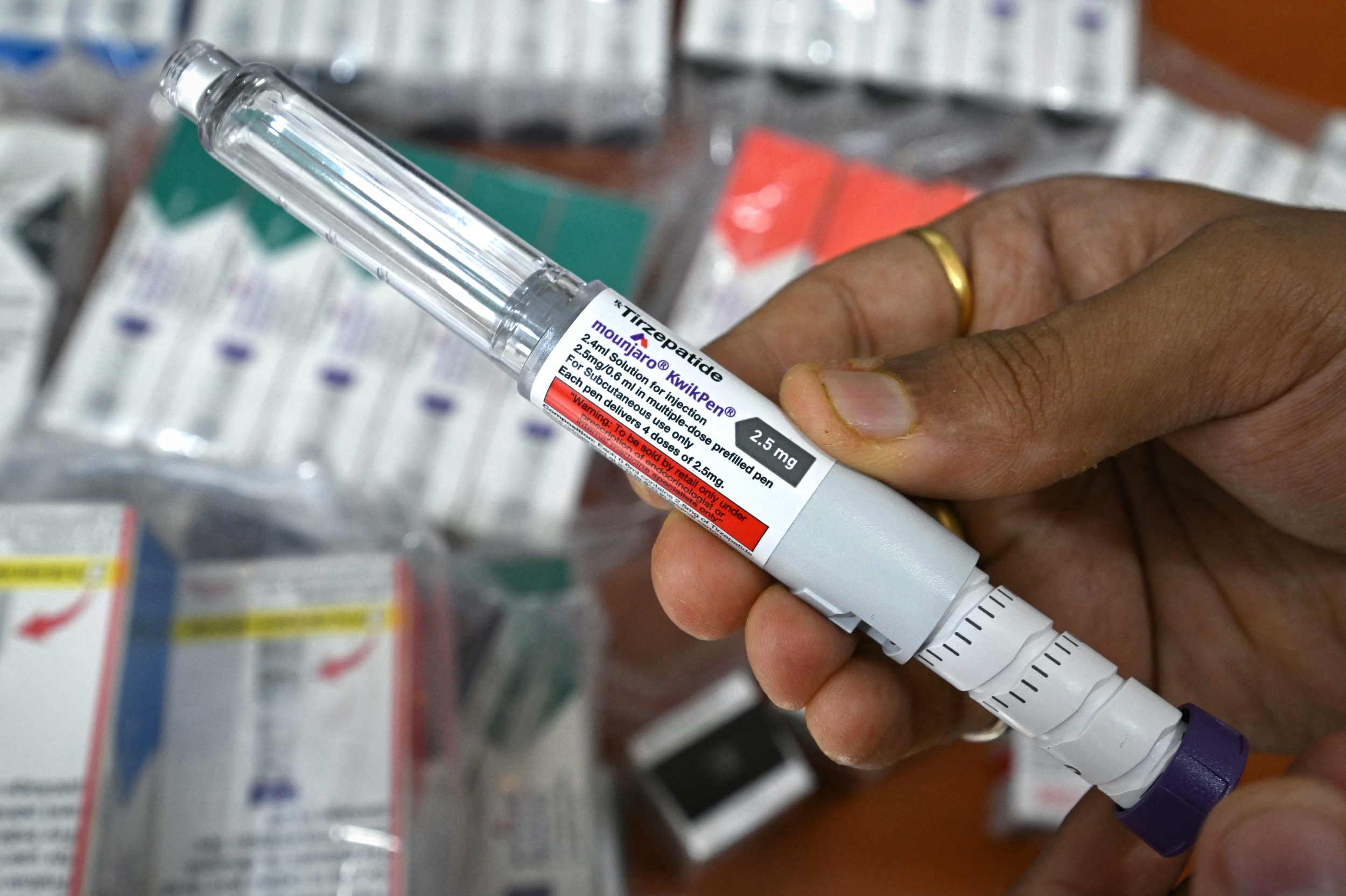
The American Diabetes Association's 86th Scientific Sessions ran June 5 through June 8, 2026, in New Orleans, closing after four days of late-breaking phase 3 data across five drug programs [1]. The meeting also introduced the 2026 ADA Standards of Care, which elevated cardiovascular and kidney risk reduction to a co-primary treatment goal alongside blood sugar control — ending decades of practice in which A1C was the dominant benchmark [1].
One clinician who attended summed up the shift bluntly. "The field of obesity has moved beyond GLP-1s as the whole story," said Michael Weintraub, MD, pointing to glucagon as an added mechanism, oral GLP-1 pills maturing into a real alternative to injections, and amylin emerging as a new backbone for obesity drugs [2].
Retatrutide posts the biggest numbers — with a caveat
Eli Lilly's investigational once-weekly injection retatrutide activates three receptors: GIP, GLP-1 and glucagon [1]. In TRIUMPH-1, its pivotal phase 3 obesity trial in 2,339 adults, one report describes average weight loss of 28.3% at 80 weeks, with 45.3% of people on the highest dose losing 30% or more of their body weight [1]. Weintraub's account differs: he described roughly 20% weight reduction at 80 weeks in the efficacy estimate among people who stayed on the drug, with the highest-dose arm exceeding 30% only in an extension out to 104 weeks [2]. The sources do not reconcile these figures, so the exact average result is unclear from what has been published.
The companion diabetes trial, TRANSCEND-T2D-1, was published in The Lancet and showed A1C reductions of up to 2.0% and up to 36.6 pounds of weight loss over 40 weeks, with up to 46% of participants reaching a normal A1C [1]. Triglycerides fell up to 39.6% and systolic blood pressure by 6.4 mm Hg [1]. In TRIUMPH-1, investigators also reported a 73.1% reduction in knee pain scores and a 60.6% reduction in sleep apnea events [1]. Side effects were mostly nausea, vomiting and diarrhea, but urinary tract infections appeared in 7.5% to 8.8% of retatrutide participants versus 5.3% on placebo — a signal flagged for further evaluation [1].
Speakers warned that retatrutide is still investigational and not approved by the FDA or any regulator, and that people are obtaining products claimed to be retatrutide from compounded and illicit sources [2].
Pills, amylin and a cholesterol drug
Final ACHIEVE data for orforglipron, the oral small-molecule GLP-1 sold as Foundayo, were presented Monday. In ACHIEVE-5, adults with a mean 15-year diabetes duration already on insulin glargine cut A1C by 1.54% to 2.05% versus 0.77% on placebo, and lost 2.7% to 6.1% of body weight while the placebo group gained 0.6% [1]. ACHIEVE-3 showed orforglipron beat oral semaglutide on A1C and produced 73.6% more relative weight loss at 52 weeks [1]. Unlike oral semaglutide, which showed cardiovascular benefit in SOUL, orforglipron has not completed a cardiovascular outcomes trial [1].
Novo Nordisk presented the three REIMAGINE phase 3 trials of CagriSema, a fixed-dose combination of the amylin analog cagrilintide with semaglutide; all met their primary A1C endpoints [1]. A February 2026 head-to-head put tirzepatide (Zepbound) at 25.5% average weight loss against CagriSema's 23% at 84 weeks [1]. Boehringer Ingelheim's survodutide, a glucagon/GLP-1 dual agonist, hit 16.6% placebo-adjusted weight loss at 76 weeks, with a relatively high dropout rate from GI side effects [1][2]. In a separate liver trial, 84% of survodutide patients cut liver fat by more than 30%, versus 24% on placebo [2].
Outside the GLP-1 class, a VESALIUS-CV subgroup analysis found evolocumab cut LDL cholesterol more than 50% and reduced three-point major cardiovascular events by 29% in high-risk type 2 diabetes patients who had never had a heart attack or stroke, over a median 4.6 years [1].
Why it matters for patients
The Standards of Care change means clinic visits may increasingly focus on heart and kidney outcomes, not just an A1C number [1]. For people weighing oral options, orforglipron launched in April 2026 at $149 per month for self-pay patients and requires no fasting, but lacks outcomes-level cardiovascular evidence so far [1]. Retatrutide's numbers are the largest yet reported for a drug, but it is not available by prescription and the counterfeit supply carries unknown risks [2].
What happens next
Lilly is expected to file retatrutide with the FDA in 2026, with approval most likely in 2027 or 2028 [1]. Novo Nordisk has filed CagriSema for weight loss and targets a US launch in early 2027 [1].
Images from the sources

Sources
Semaglutides.org is for information only and is not medical advice. Always talk to a licensed healthcare provider about your own care. Some links to telehealth services are affiliate links, labeled where they appear.