ADA revises its Standards of Care for the multi-goal era
The American Diabetes Association rewrote its Standards of Care to treat weight, heart, kidney and liver risk as equal goals alongside blood sugar, formalizing a shift already visible in new GLP-1 trial data.[1]
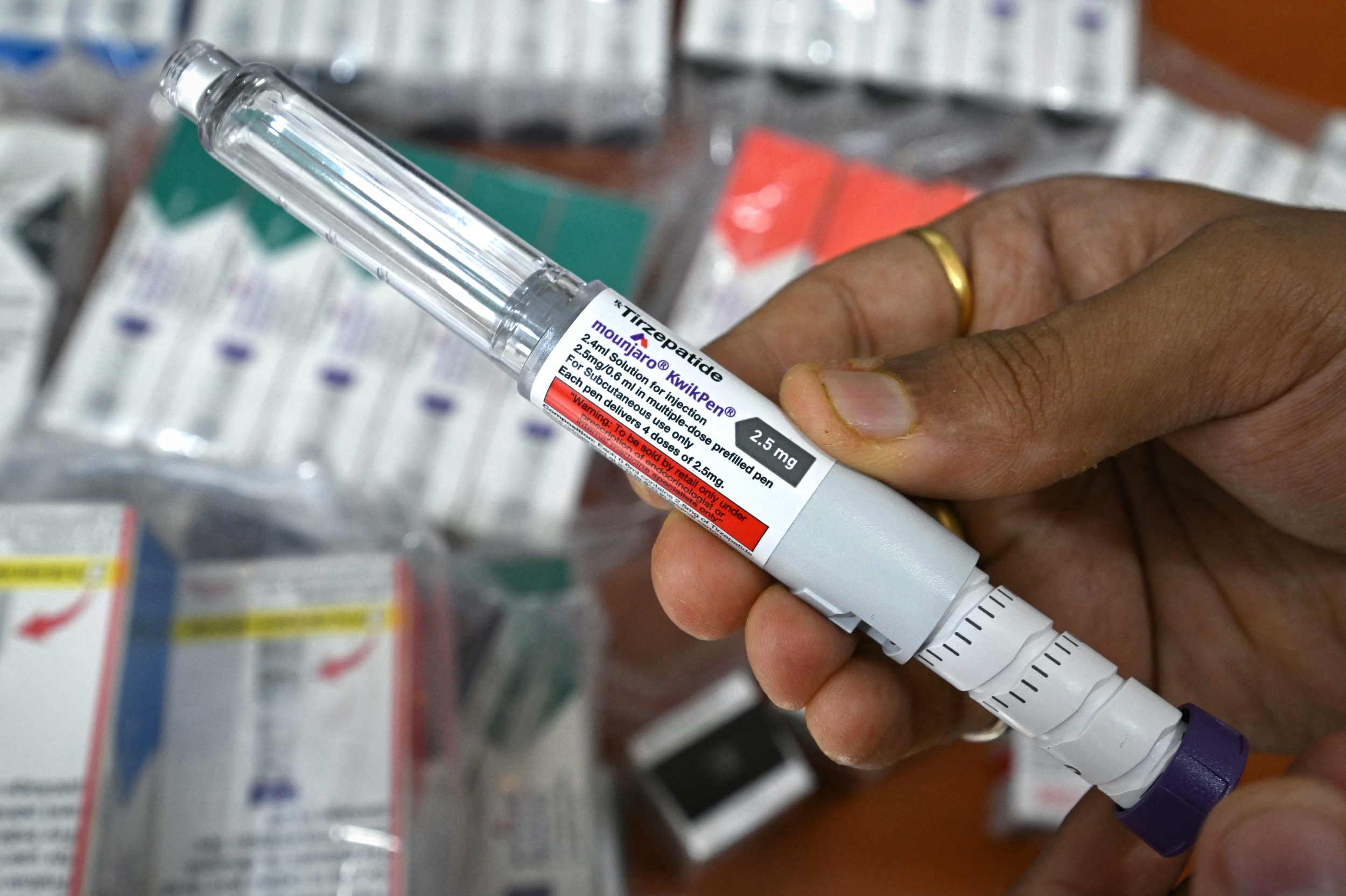
The American Diabetes Association closed its 86th Scientific Sessions in New Orleans on June 8 by issuing a revised 2026 Standards of Care that elevates cardiovascular and kidney risk reduction to a co-primary treatment goal alongside blood sugar control, ending decades of practice built around A1C as the main benchmark.[1]
The revision followed four days of late-breaking Phase 3 data on multiple drug programs presented at the meeting, several published simultaneously in peer-reviewed journals including The Lancet and Diabetes Care.[1] Eli Lilly's investigational retatrutide, which activates GIP, GLP-1 and glucagon receptors, produced average weight loss of 28.3% at 80 weeks in the TRIUMPH-1 obesity trial, with 45.3% of participants on the highest dose losing 30% or more of body weight.[1] In a companion diabetes trial, TRANSCEND-T2D-1, adults on retatrutide cut A1C by up to 2.0% and lost up to 36.6 pounds over 40 weeks, while triglycerides fell by up to 39.6% and systolic blood pressure dropped 6.4 millimeters of mercury.[1] Retatrutide is not yet FDA-approved; Lilly is expected to file for approval in 2026, with a decision likely in 2027 or 2028.[1]
Other data presented at the sessions reinforced the same multi-goal picture. Novo Nordisk's CagriSema, a combination of the amylin analog cagrilintide and semaglutide, met its primary and secondary endpoints across three Phase 3 diabetes trials called REIMAGINE 1, 2 and 3.[1] A separate analysis of the PCSK9 inhibitor evolocumab, presented in high-risk patients with type 2 diabetes who had not yet had a heart attack or stroke, found a 29% reduction in major cardiovascular events after a median follow-up of 4.6 years.[1] At a related ADA symposium, researchers presented data on muscle loss during GLP-1 treatment, noting that with newer, higher-dose compounds, lean mass can account for 40% or more of total weight lost, up from a rough baseline of 25% seen with diet or older therapies.[2]
Why it matters for patients
For people currently on or considering a GLP-1 medicine, the revised Standards of Care signal that clinicians are being asked to weigh more than the number on the scale or a lab test for blood sugar. The new framework treats heart, kidney and weight outcomes as connected, reflecting trial results showing that some GLP-1 and related drugs lower triglycerides, blood pressure and cardiovascular event rates at the same time they reduce weight and A1C.[1]
The expanding evidence base also comes with caveats patients may want to understand. Orforglipron, an oral small-molecule GLP-1 drug launched in April 2026, has not yet completed a cardiovascular outcomes trial, unlike oral semaglutide, which has outcome data from the SOUL trial.[1] And the muscle-loss data presented at the same sessions is a reminder that higher-dose therapies can reduce lean body mass along with fat, which researchers say has implications for long-term metabolic health that are still being studied through interventions like supervised exercise and protein intake targets.[2]
What happens next
Novo Nordisk has filed CagriSema with the FDA for a weight-loss indication, with a US launch targeted for early 2027.[1] Eli Lilly is expected to submit retatrutide for regulatory review in 2026, with approval most likely in 2027 or 2028.[1] The urinary tract infection signal seen in retatrutide trials, along with the drug's overall safety profile, is expected to undergo further evaluation before any regulatory submission.[1]
Images from the sources

Sources
Semaglutides.org is for information only and is not medical advice. Always talk to a licensed healthcare provider about your own care. Some links to telehealth services are affiliate links, labeled where they appear.