GLP-1 receptor activation suppresses pathological defensive aggression in mice
A mouse study found that activating GLP-1 receptors in a brain region tied to threat responses reduced pathological aggression, a finding far removed from any approved use of these drugs in people.
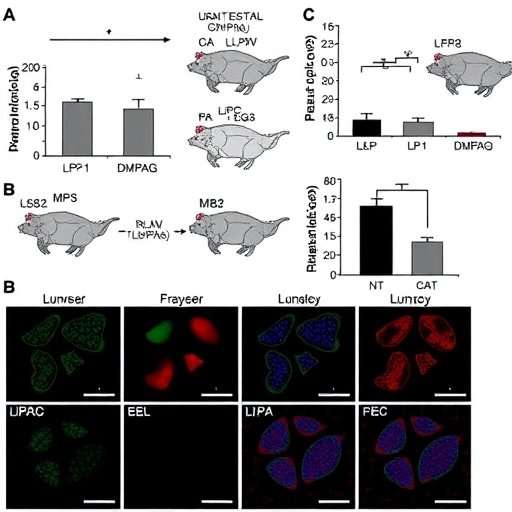
A new study in mice found that activating GLP-1 receptors suppressed pathological defensive aggression, working through a brain region called the dorsomedial periaqueductal gray, or DMPAG [1]. The research, led by Y. Liu, X. Liu, X. Yin and colleagues, was published in the journal Translational Psychiatry [1]. It adds to a growing body of animal work showing that GLP-1 receptors, the same receptors targeted by drugs like semaglutide and tirzepatide, are active in brain circuits that have nothing to do with appetite or blood sugar [1].
The study focused on defensive aggression, a survival response that can appear when an animal perceives danger or is repeatedly threatened [1]. In normal circumstances, this response fades once the threat is gone. In its pathological form, the reaction can become excessive or triggered by minor stimuli [1]. The researchers found that GLP-1 receptor activation acted like a brake on this overactive response, without appearing to eliminate defensive behavior entirely [1].
The key brain region involved, the DMPAG, sits within the periaqueductal gray, a structure that organizes the brain's responses to threat, including freezing, escape and confrontational behavior [1]. Different subregions of the periaqueductal gray control different behavioral programs, and the DMPAG in particular is linked to defensive and confrontational responses [1]. By tracing the effect of GLP-1 receptor activation to this specific region, the study connects a signaling system best known for metabolic control to a core survival circuit [1].
GLP-1 receptor agonists, originally developed for type 2 diabetes and later widely used for weight management, are known to act on the brain through several pathways, including direct effects on receptor-bearing neurons and signals carried through the vagus nerve [1]. The new findings suggest that some of these brain-based effects could extend to emotional or defensive behavior, independent of any effect on eating or body weight [1]. The study's authors describe this as evidence that metabolism and behavior are more interconnected than previously understood [1].
The researchers are careful to note real limits. Mouse defensive aggression is a useful model for studying conserved brain mechanisms, but it captures only one piece of human aggression, which is also shaped by language, social learning, trauma and conscious decision-making — factors with no simple equivalent in animal studies [1]. The distribution and function of GLP-1 receptors may also differ between mice and people [1]. The study lists several open questions for future research, including which cells in the DMPAG carry GLP-1 receptors, how their activity interacts with other brain chemicals like serotonin and dopamine, and whether the effect changes with sex, age or stress history [1].
Why it matters for patients
No GLP-1 medication is approved or in testing for aggression or any similar behavioral condition in people [1]. This is a preclinical finding in mice, not a clinical result, and the source material does not describe any human trial, dosing information or safety data related to behavior [1]. People currently taking semaglutide, tirzepatide or other GLP-1 drugs for diabetes or weight management should not expect any behavioral effect from this research, and the study does not suggest one exists in humans [1]. Its value for patients right now is mainly as a signal that these receptors operate in more parts of the brain than doctors previously assumed, which may shape future research questions but does not change what the drugs are approved to do today [1].
What happens next
The study's authors outline further animal research needed before any human relevance could even be assessed, including mapping which brain cells carry the receptor, testing other forms of aggression beyond defensive aggression, and examining how the effect might depend on sex, age or prior stress exposure [1]. The source material does not describe any planned human studies, and none should be assumed based on this mouse research [1].
Sources
Semaglutides.org is for information only and is not medical advice. Always talk to a licensed healthcare provider about your own care. Some links to telehealth services are affiliate links, labeled where they appear.