Novo Nordisk has sued 132 companies over compounded semaglutide, Danish report says
Novo Nordisk's lawsuits against sellers of compounded semaglutide now cover 132 companies, a push that can shut down sellers and that Novo ties to FDA warnings about dosing errors.
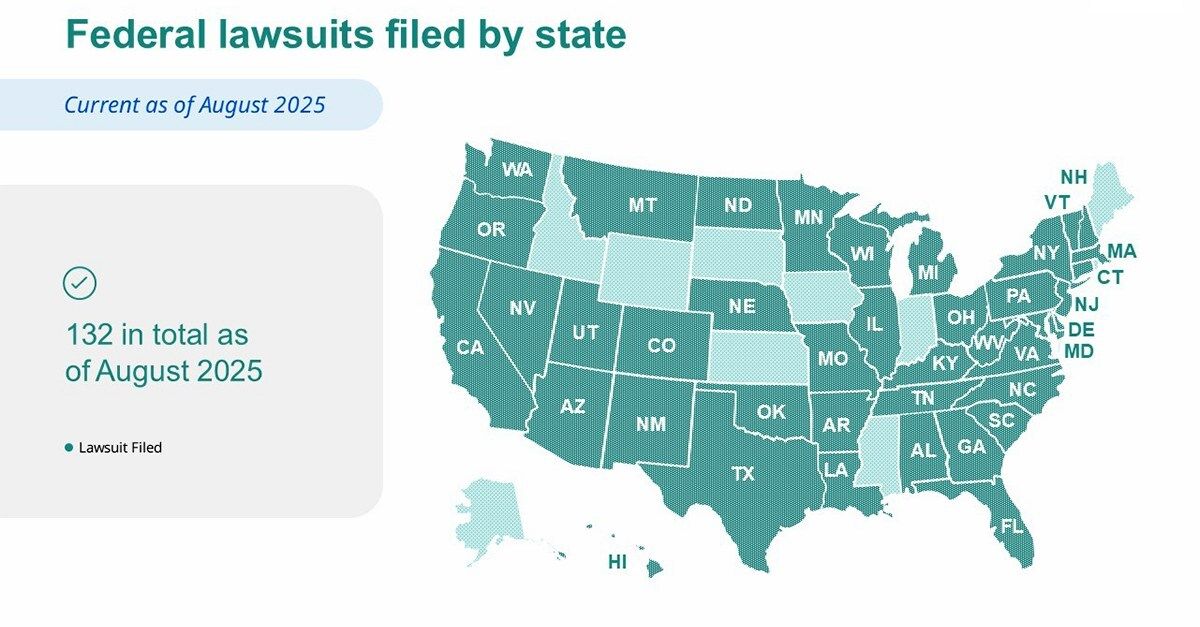
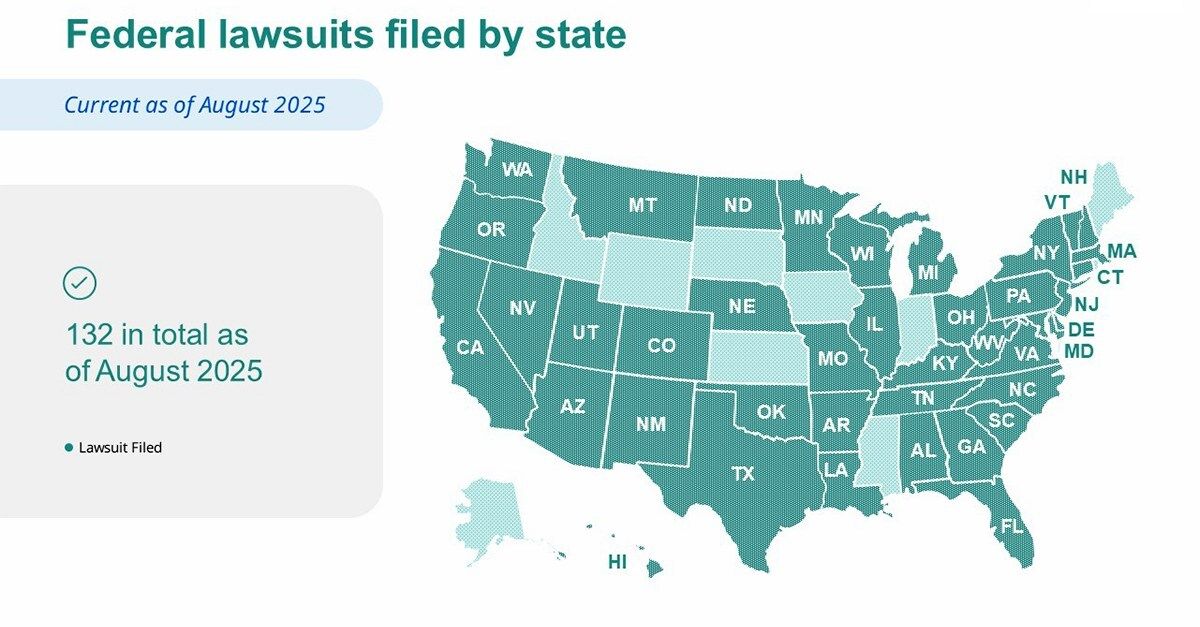
Novo Nordisk has sued 132 companies over products marketed as semaglutide, Danish business newspaper Børsen reported after reviewing court documents, describing the damages the company seeks as running into the billions [1]. The cases target compounding pharmacies, telehealth providers and clinics across roughly 40 US states [1][2].
Børsen's review found that half of the sued US companies selling copies of Novo's medicines are beauty clinics [1]. Of the 132 cases, 55 have already been decided at the first-instance level, with Novo winning the large majority [1]. In the lawsuits, Novo accuses the defendants of using "unlawful actions and false advertising" to damage its brand and improperly take its sales and customers [1]. Børsen did not give a specific dollar figure for the damages sought [1].
Pharmaceutical Commerce reported on Aug. 6, 2025 that Novo had filed 14 new lawsuits, bringing its total to 132 federal complaints across 40 states [2]. According to the complaints, some defendants claimed their compounded products had been reviewed and approved by the FDA, or that they were as effective as Novo's approved semaglutide medicines [2]. Others are accused of violating state laws on the corporate practice of medicine — including California's — by having companies rather than doctors guide patients toward compounded products [2].
"Patients deserve safe, effective treatments from companies they can trust. No one should have to gamble with their health by using knockoff drugs made with ingredients that lack oversight and safety standards," said Dave Moore, executive vice president of US operations for Novo Nordisk Inc. [2]
Courts have granted 44 permanent injunctions that bar defendants from compounding semaglutide unlawfully or marketing it as FDA-approved, safe, or equivalent to Wegovy and Ozempic, and have ordered defendants to give up profits made through those practices [2]. In June 2025, Novo ended a partnership with Hims & Hers, saying the company had sold counterfeit versions of Wegovy and mass-sold compounded drugs under what Novo called a false guise of personalization [2].
Novo has also pointed to safety concerns. The FDA has issued alerts about counterfeit GLP-1 drugs, and there have been reports of patients who took five to 20 times the intended dose and were hospitalized as a result [2]. Novo cites a Brookings Institution report finding that many compounded semaglutide products rely on synthetic active ingredients imported from China, and that 60% of Chinese manufacturers importing semaglutide for compounding or further manufacture are not legally allowed to distribute that ingredient in China for use in human drugs [2].
Meanwhile, Noom said it would keep selling compounded semaglutide at a 0.6-milligram dose, compared with 2.4 milligrams for Novo's approved product, according to Pharmaceutical Commerce [2]. Novo has run public campaigns called "Check Before You Inject" and "Choose The Real Thing" [2].
Why it matters for patients
Products marketed as compounded semaglutide are not FDA-approved, and the legal campaign is changing which businesses can sell them. When a court enters a permanent injunction, a seller can be ordered to stop the conduct at issue. Neither report describes how often an injunction has left a patient mid-treatment without a supplier; that has not been reported.
The dosing warnings are also specific. GLP-1 medicines are injected, and in the overdose cases patients took five to 20 times the intended dose and needed hospital care [2]. Novo's filings also raise questions about where the active ingredient comes from, citing the Brookings finding that 60% of Chinese manufacturers importing semaglutide for compounding or further manufacture are not legally allowed to distribute it in China for human drugs [2].
What happens next
Of the 132 cases, 77 remain undecided at the first-instance level, and no schedule for those rulings has been reported [1]. Novo said it will keep pursuing education, advocacy and legal action, and urged regulators to enforce existing laws [2]. No total damages figure has been disclosed [1].
Images from the sources
Sources
Semaglutides.org provides information only, not medical advice. Talk to a licensed provider about your own care before making changes. Some telehealth links are affiliate links and are labeled where they appear.