Novo Nordisk brings oral semaglutide cardiovascular data to ESC 2026 in Munich
Novo Nordisk used the ESC 2026 meeting in Munich to argue that oral semaglutide's heart benefits go beyond blood sugar and weight loss, a claim with implications for how doctors think about the pill form of the drug.

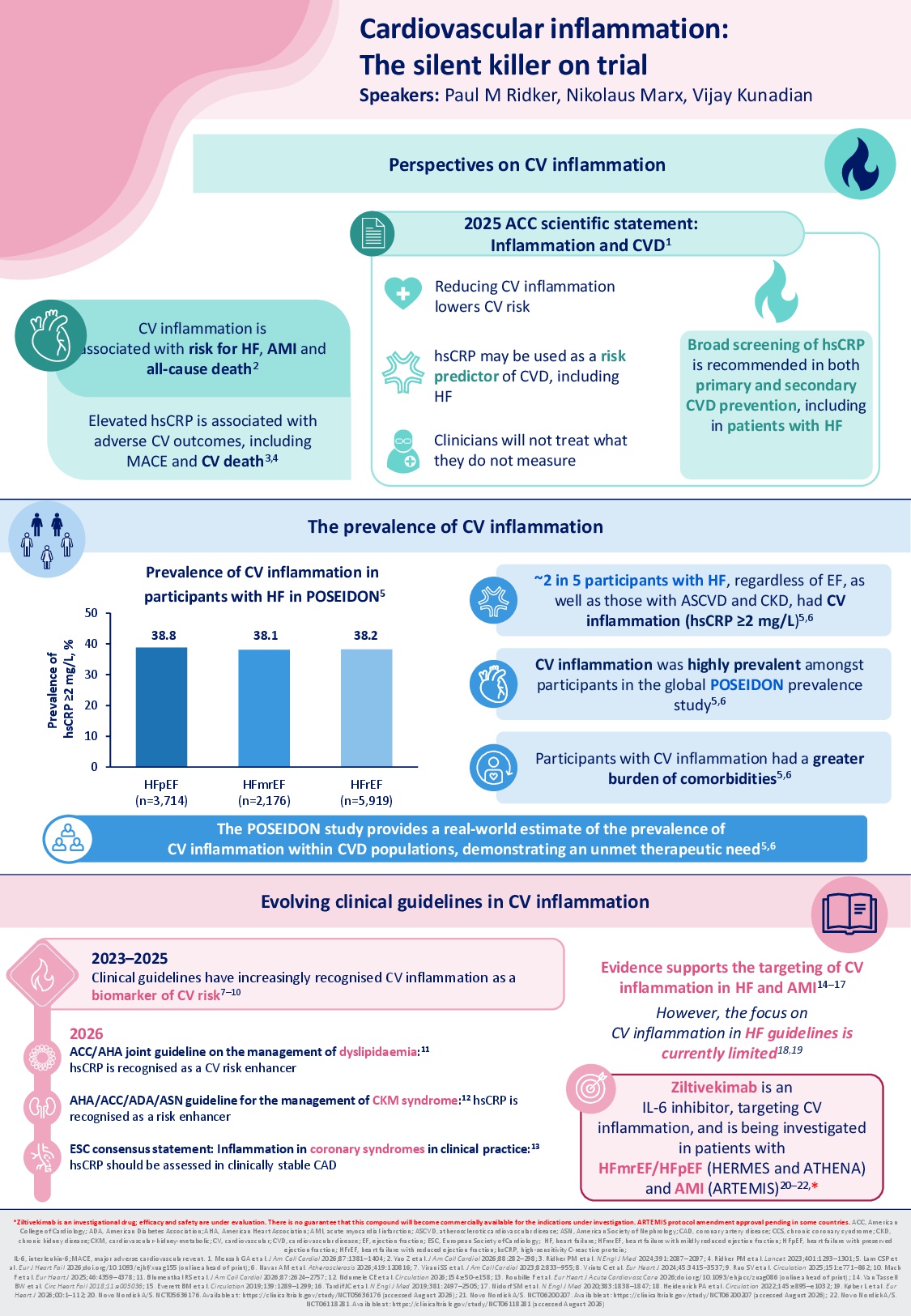
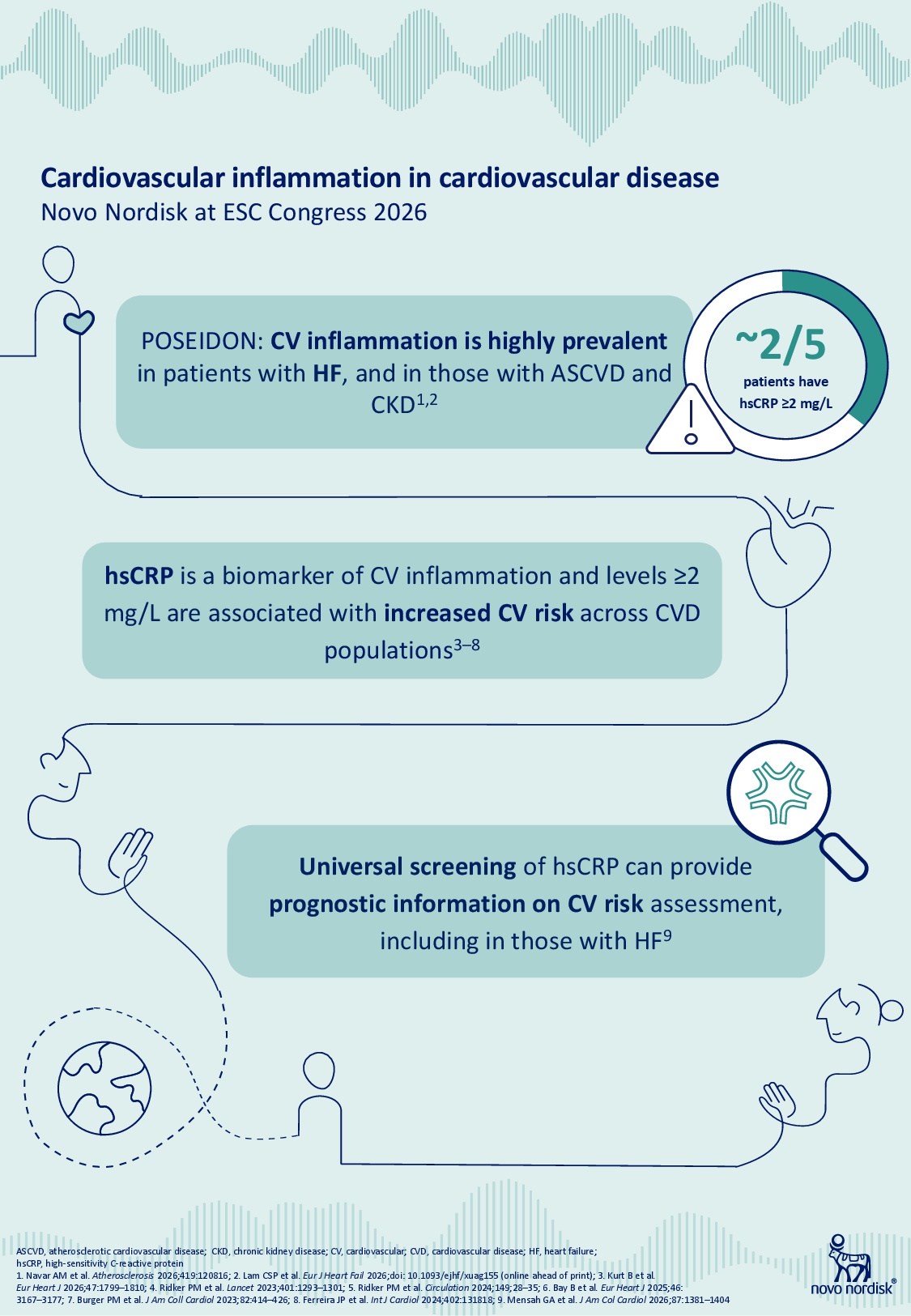
Novo Nordisk presented a series of oral semaglutide analyses at the European Society of Cardiology Congress in Munich, held August 28 to 31, 2026, framing the drug's cardiovascular effects around "organ protection" rather than glucose or weight control [1][2]. The program included a symposium on cardiovascular inflammation co-chaired by Paul Ridker, and a session titled "Breaking boundaries in cardiometabolic care with oral and injectable GLP-1RAs," both held August 29 [1]. A separate oral presentation on August 30, led by researcher N. Poulter, examined cardiovascular outcomes in the SOUL trial broken down by patients' baseline blood pressure control [1].
Speaking with Korea Biomedical Review during the congress, Henrik Jarlov, Novo Nordisk's vice president of Global Medical Affairs for Diabetes and Cardiovascular, said the SOUL trial showed cardiovascular benefit with oral semaglutide in people with type 2 diabetes and established heart or kidney disease, adding to earlier results from SUSTAIN 6 (injectable semaglutide in type 2 diabetes) and SELECT (semaglutide in people with obesity but not diabetes) [2]. He said this body of evidence supports cardiovascular risk reduction as a reproducible effect across semaglutide formulations, but cautioned that not all GLP-1 medicines are alike, since they differ in molecular structure, half-life, and receptor activity, and some earlier GLP-1 drugs did not show cardiovascular benefit in trials [2].
A central argument from Novo Nordisk's presentations is that weight loss does not fully explain semaglutide's heart benefit. In SELECT, cardiovascular risk reduction appeared early in treatment, before patients had lost most of the weight they eventually would [2]. Mediation analyses discussed at the congress found that weight loss accounts for only part of the cardiovascular benefit, and in some analyses, a small part [2]. Jarlov pointed to possible additional mechanisms involving blood pressure, metabolic risk factors, inflammation, and blood vessel effects, citing the STRIDE study in peripheral artery disease as supporting evidence [2].
A similar pattern showed up in heart failure with preserved ejection fraction, or HFpEF, which is increasingly linked to obesity. In the STEP-HFpEF program, semaglutide improved symptoms and physical function alongside substantial weight loss, but changes in a heart-strain marker called NT-proBNP did not track closely with how much weight patients lost, which Jarlov said raises the possibility of direct effects on heart tissue that need further study [2].
Why it matters for patients
For people taking or considering oral semaglutide (Rybelsus) for type 2 diabetes, this research suggests the drug's value may not be limited to blood sugar or weight numbers on a scale. If cardiovascular protection depends partly on mechanisms separate from weight loss, that could matter for patients who lose less weight than others but still have heart or kidney disease risk factors. It also means comparisons between GLP-1 drugs based on weight-loss percentages alone may miss other differences in cardiovascular effect, according to Jarlov [2]. None of this changes how the medication should be taken or dosed; it reflects how the company is describing the drug's mechanism to cardiologists and researchers.
Jarlov also said oral therapy may suit patients who avoid injections, but cautioned that direct, real-world comparisons between oral and injectable semaglutide remain limited, and that access, cost, and how easily patients stick with treatment may matter as much as pill versus injection [2].
What happens next
Novo Nordisk is continuing two other trials testing an anti-inflammatory drug, ziltivekimab, after an earlier trial called ZEUS failed to reduce major cardiovascular events in patients with atherosclerotic disease and chronic kidney disease [2]. The ARTEMIS trial is testing the drug after heart attacks, and the HERMES trial is testing it in HFpEF; neither has reported results yet [2]. Materials from the Poulter presentation on blood pressure and oral semaglutide were listed as "coming soon" following the August 30 session [1].
Images from the sources
Sources
Semaglutides.org is for information only and is not medical advice. Always talk to a licensed healthcare provider about your own care. Some links to telehealth services are affiliate links, labeled where they appear.