Judge throws out compounding pharmacy's antitrust suit against Lilly and Novo over GLP-1 drugs
The order ends the trial-level challenge to telehealth contracts that, Strive said, kept doctors from prescribing compounded GLP-1s; no appeal has been filed.
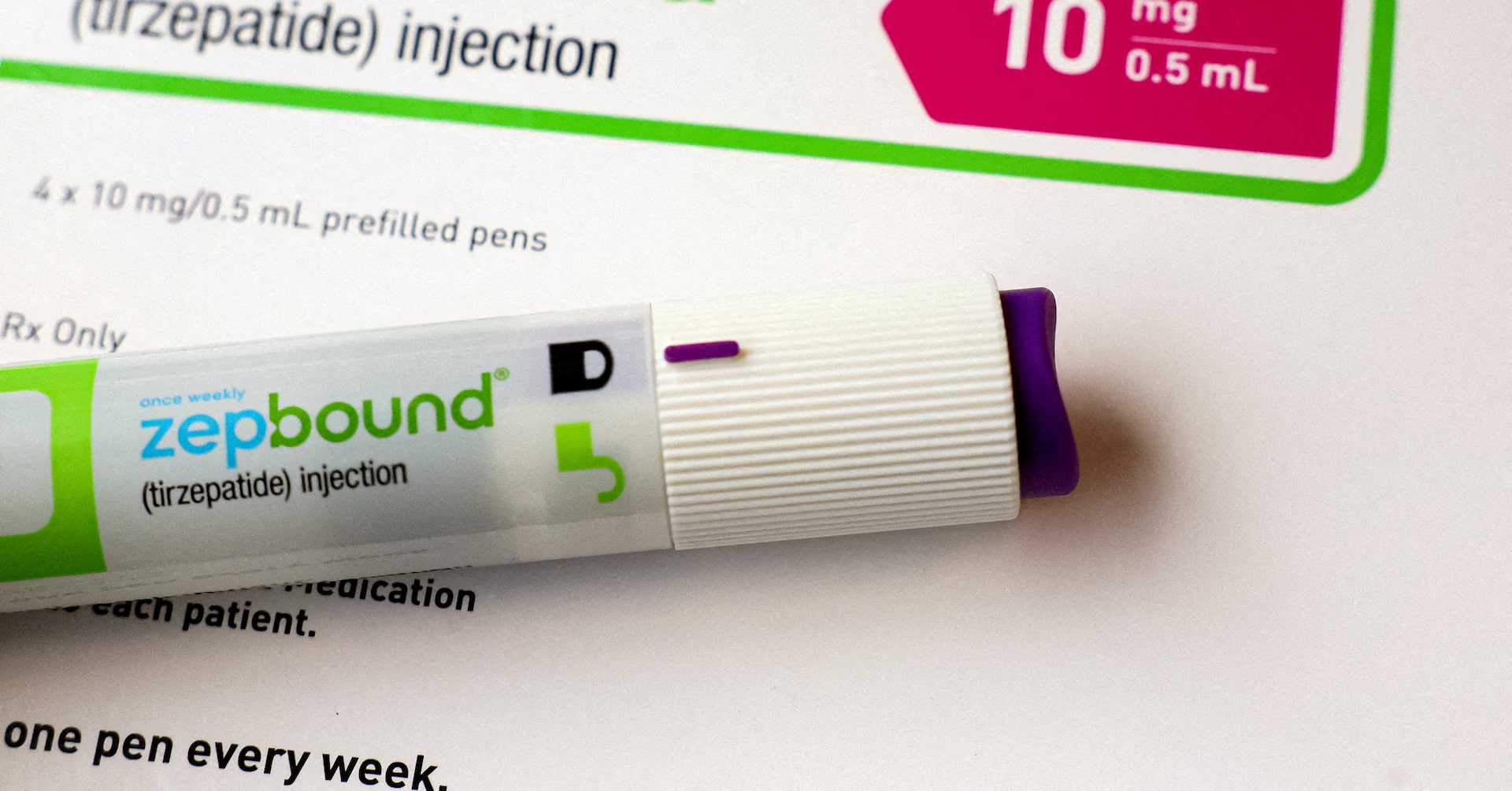
A federal judge in San Antonio has thrown out an antitrust case that a compounding pharmacy filed against Eli Lilly and Novo Nordisk, ruling on Thursday, August 6, 2026, that the pharmacy did not make a valid legal case that the two manufacturers squeezed it out of the GLP-1 market [1].
The order came from U.S. District Judge Micaela Alvarez of the Western District of Texas. The case, Strive Specialties Inc v. Eli Lilly & Co and Novo Nordisk A/S et al, No. 5:26-cv-00155-MA, began in January, when Strive sued [1].
At the center of the dispute were contracts. Strive argued the two drugmakers broke antitrust law by signing exclusive agreements with large telehealth companies, which the pharmacy said stopped physicians working on those platforms from writing prescriptions for compounded GLP-1 medicines. In Strive's telling, those contracts narrowed what doctors and patients could choose and held down competition among GLP-1 products [1]. Novo sells Ozempic and Wegovy, both semaglutide; Lilly sells Mounjaro and Zepbound, both tirzepatide [1]. Demand for these drugs has climbed sharply [1].
Alvarez was not persuaded on either of two key points. First, she wrote that Strive did not plausibly allege a product market, because compounded GLP-1 drugs become available only when a doctor decides a brand-name product cannot meet a particular patient's medical needs. On that reasoning, the compounded and branded products are not reasonably interchangeable [1]. Second, the judge found the pharmacy did not adequately show how it was harmed, writing that "antitrust laws protect competition — not individual competitors — and losses attributable to ordinary competitive forces do not suffice" [1].
Reaction split along the expected lines. Lilly called the suit "this meritless claim should have never been brought against Lilly" and said the ruling "confirms that companies mass compounding tirzepatide are violating the law" [1]. Novo said it is "pleased with the court's decision to dismiss all claims against Novo Nordisk" and that it remains focused on its mission [1]. Strive said it was disappointed, noting that some state attorneys general had questioned the manufacturers' push to defeat the claims. The pharmacy said it remains confident in its position and is weighing an appeal [1].
Compounding pharmacies copy brand-name medicines during shortages, changing, mixing or combining ingredients to fit patient needs [1].
Why it matters for patients
This decision resolves a legal question, not a clinical one. It does not authorize or forbid the sale of compounded GLP-1 drugs, and it does not change what a pharmacy may dispense [1].
What it does settle, for now, is that this antitrust theory failed at the trial level. The contracts Strive challenged — exclusive arrangements with telehealth companies — remain in place as far as the order goes. Whether those arrangements will continue in the same form has not been reported [1].
The judge's reasoning matters beyond this case. By treating compounded and branded GLP-1s as separate products rather than interchangeable substitutes, she accepted a distinction the manufacturers have pressed. The order does not address insurance coverage, pricing or where patients can fill prescriptions [1].
What happens next
Strive said it is evaluating its options, including an appeal. No appeal has been filed, and no deadline for one has been reported [1]. No further hearings or dates in the case have been disclosed [1].
Sources
Semaglutides.org provides information only, not medical advice. Talk to a licensed provider about your own care before making changes. Some telehealth links are affiliate links and are labeled where they appear.