DOJ charges two Indian nationals over alleged smuggling of counterfeit Ozempic from China
Federal prosecutors unsealed an indictment alleging two men funneled counterfeit Ozempic from China into US pharmacy supply channels between July 2023 and April 2024, including after the FDA's public warning.
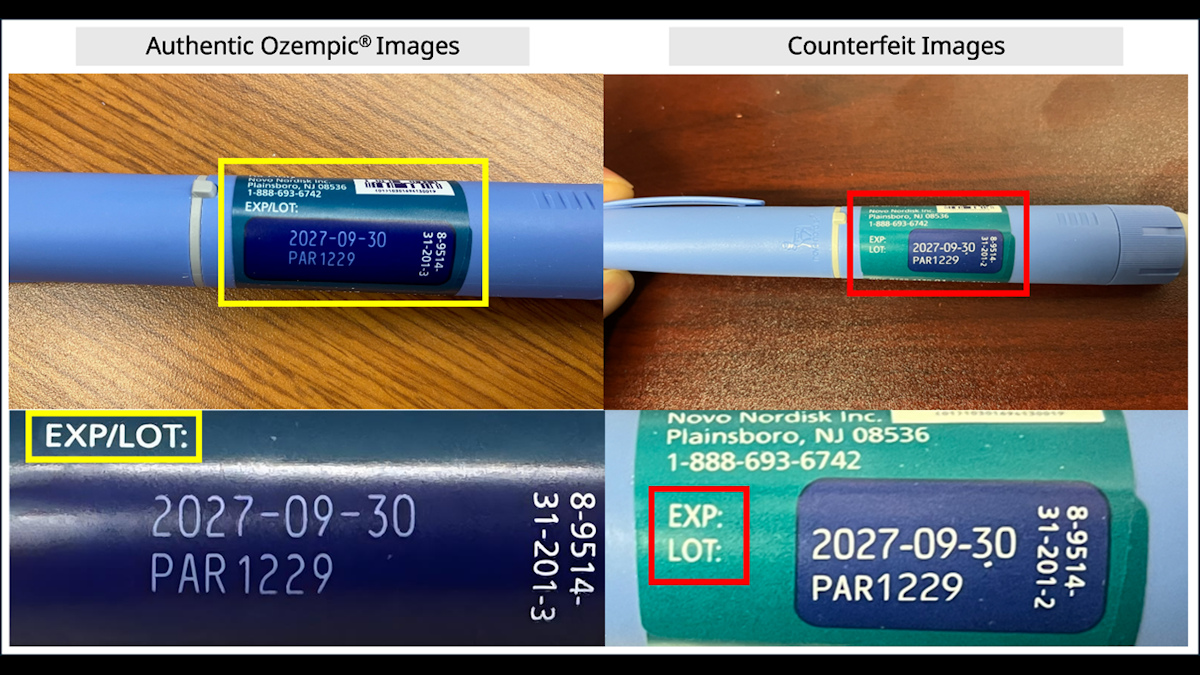
Federal prosecutors have charged two Indian nationals with smuggling counterfeit Ozempic from China into the US drug supply, in a scheme that allegedly kept running even after the Food and Drug Administration seized some of the fake pens and warned the public in late 2023 [1][2].
The US Attorney's Office for the Middle District of Florida and the Justice Department's Criminal Division announced the charges on September 29, 2026, against Swapnadip Roy, 33, and Vicky Ramancha, 37 [1]. The FDA's Office of Criminal Investigations assisted [1]. Roy was extradited from Italy and made his initial court appearance in US District Court in Tampa [2]. Ramancha remains at large [2][3].
What the indictment alleges
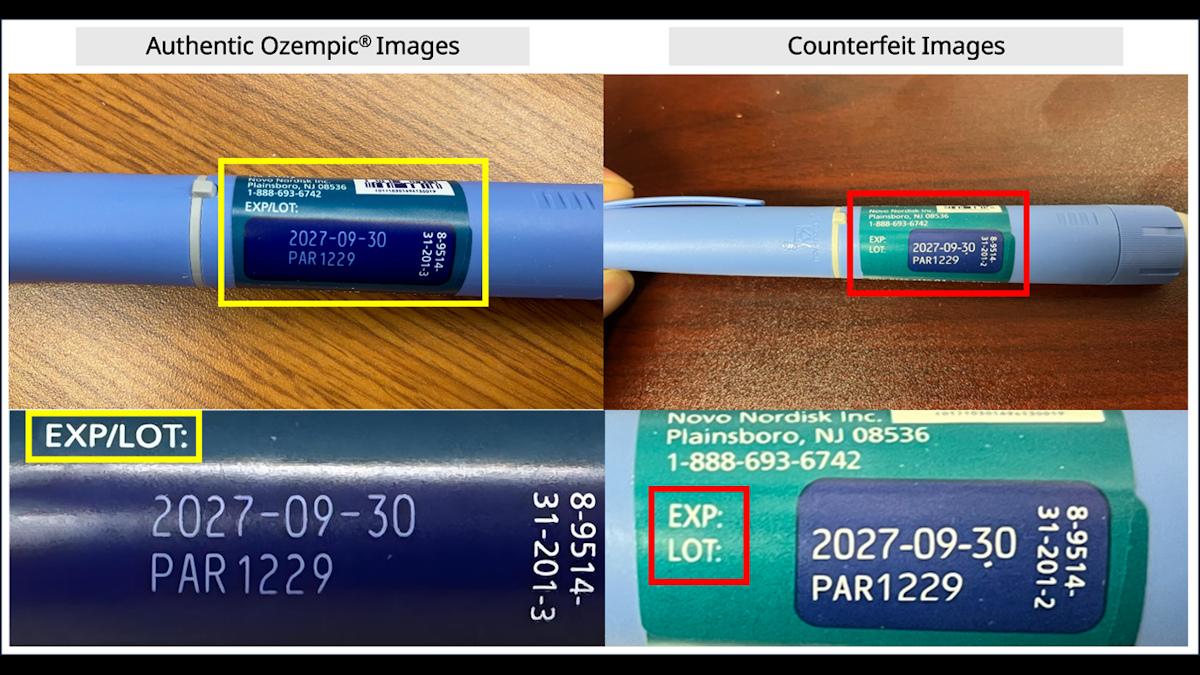
Between July 2023 and April 2024, Roy and Ramancha allegedly obtained counterfeit Ozempic from unauthorized sources in China and sold it to co-conspirators and distributors in the US at deeply discounted prices [1]. The counterfeit product included fake packaging, package inserts, pen labels and needles "meant to deceive downstream customers, including pharmacies and patients, into believing they were receiving authentic, manufacturer-authorized Ozempic," the FDA said [1].
Some of the distributed counterfeits carried a real Novo lot number to deflect suspicion, and were brought into the US under the guise of parallel imports — genuine brand-name medicine bought legally in a cheaper country and resold elsewhere [3]. Ozempic is semaglutide, made by Novo, which recently rebranded from Novo Nordisk [2]. The scheme was uncovered in 2023 when the FDA seized counterfeits that had reached legitimate US sales channels, after a tip-off from Novo [3].
The indictment describes specific deals. In July 2023, Ramancha signed a sales and purchase agreement with an unidentified company in Lakeland, Florida, to supply a product described as Ozempic at deeply discounted pricing; a month later he signed another with a company in Sanford, Florida, for "Ozempic syringes" [2]. Court documents and media reports say customers included Assure Global LLC, which ordered around 125,000 doses for a reported $18.8 million [3]. Ramancha is chief executive of pharma and medical equipment trading company RNR Healthcare, while Roy is publicly identified as a Dubai-based businessman and CEO of the RNR Group, which has close links to RNR Healthcare [3].
The FDA began issuing public safety alerts in December 2023 to warn consumers, pharmacies and health care providers about counterfeit Ozempic [1]. Court documents allege the defendants kept distributing after that seizure and warning [1]. When a co-conspirator asked whether the FDA warning would affect a pending order for 60,000 additional units, "Ramancha replied, 'Not at all. But you have to make sure your client are not being idiotic,'" the indictment alleges [2]. The indictment also alleges Roy used threats in November 2023 to push product through the chain [2].
Both men are charged with one count of conspiracy to commit smuggling and to defraud the US, three counts of smuggling, and two counts of selling counterfeit drugs and holding counterfeit drugs for sale [2][3]. Each faces a maximum of 71 years in prison if convicted [2][3]. An indictment is only an allegation, and defendants are presumed innocent until proven guilty [1].
Why it matters for patients
The case describes counterfeits reaching pharmacies, not just shady websites — meaning a patient could receive a fake pen through an ordinary prescription. Earlier Ozempic counterfeiting cases have turned up products with little or no active drug, impure semaglutide, other unapproved ingredients, potentially life-threatening substitutions with drugs such as insulin, and non-sterile needles [3].
Demand creates the market. Gallup reported in July that the share of US adults taking GLP-1 medications for weight loss rose to 11% in 2026 from 3% in 2024, and 15% say they have used one at some point, up nine percentage points [2].
The FDA asks that suspected counterfeit products and sellers be reported to the agency [1]. Acting FDA Commissioner Kyle Diamantas said the agency "will continue to trace illicit networks wherever they lead" [1]. Assistant Attorney General A. Tysen Duva said the defendants "allegedly exploited people's health to pay themselves" [2][3].
What happens next
Roy's case proceeds in federal court in Tampa following his initial appearance [2]. A trial date has not been reported, and no plea has been disclosed. Whether Ramancha will be located or extradited is not yet known [2][3].
Images from the sources

Sources
- https://www.fda.gov/news-events/press-announcements/fda-investigation-leads-charges-against-two-indian-nationals-involved-transnational-counterfeit-drug
- https://www.cnbc.com/2026/09/29/ozempiz-counterfeit-china-smuggling-doj.html
- https://pharmaphorum.com/news/two-men-charged-infiltrating-fake-ozempic-us
Semaglutides.org is for information only and is not medical advice. Always talk to a licensed healthcare provider about your own care. Some links to telehealth services are affiliate links, labeled where they appear.