Five semaglutide presentations now on the US market at once
Semaglutide now reaches US pharmacies in five different forms under three brand names, each with its own strengths, approved uses and dosing rules, according to current FDA labels.
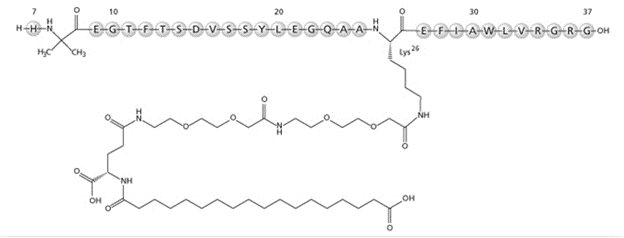
As of September 2026, one molecule — semaglutide — is sold in the United States in five distinct presentations: Ozempic injection, Ozempic tablets, Rybelsus tablets, Wegovy injection (including a 7.2 mg high dose) and Wegovy tablets [1][2][3]. All are made by Novo Nordisk, but they carry different strengths, different approved uses and different instructions, and the numbers on the box do not translate from one to another.
Three labels, five products
Ozempic injection is given once weekly and comes as single-patient-use pens holding 2 mg/3 mL, 4 mg/3 mL or 8 mg/3 mL, plus single-dose prefilled syringes of 0.25 mg, 0.5 mg or 1 mg per 0.5 mL [1]. It is approved to improve blood sugar in adults with type 2 diabetes, to reduce major adverse cardiovascular events in adults with type 2 diabetes and established cardiovascular disease, and to reduce the risk of sustained eGFR decline, end-stage kidney disease and cardiovascular death in adults with type 2 diabetes and chronic kidney disease [1]. Dosing starts at 0.25 mg weekly and can step up to 0.5 mg, 1 mg and 2 mg, with at least four weeks between increases; a missed dose can be given within 5 days [1].
The oral diabetes products share a single prescribing information document. Rybelsus tablets come in 3 mg, 7 mg and 14 mg; Ozempic tablets come in 1.5 mg, 4 mg and 9 mg [2]. The label states plainly that "RYBELSUS and OZEMPIC tablets are not substitutable on a mg-to-mg basis" [2]. Both are taken once daily on an empty stomach in the morning with up to 4 ounces of water, swallowed whole, with at least a 30-minute wait before food, other drinks or other oral medicines [2].
Wegovy also has one label covering two forms. The injection is available as 0.25, 0.5, 1, 1.7, 2.4 and 7.2 mg (Wegovy HD) single-dose pens, as syringes up to 2.4 mg, and as a 9.6 mg/3 mL FlexTouch pen that delivers four 2.4 mg doses [3]. The usual maintenance dose is 2.4 mg weekly [3]. Wegovy tablets come in 1.5 mg, 4 mg, 9 mg and 25 mg, with a maintenance dose of 25 mg once daily [3].
The approved uses differ between the two Wegovy forms. Wegovy injection is approved for cardiovascular risk reduction in adults with established CV disease and obesity or overweight, for weight reduction in adults and patients aged 12 and older with obesity or adults with overweight plus a weight-related condition, and — under accelerated approval — for noncirrhotic MASH with stage F2 to F3 fibrosis in adults [3]. Wegovy tablets are approved for cardiovascular risk reduction and weight reduction in adults only; the label does not list a MASH or adolescent indication for the tablets [3].
Why it matters for patients
The practical risk in a five-product lineup is mix-ups. A "9 mg" tablet exists in both the Ozempic tablet and Wegovy tablet lineups, but they sit on different titration ladders toward different maintenance doses — 9 mg for Ozempic tablets versus 25 mg for Wegovy tablets [2][3]. Rybelsus and Ozempic tablets are explicitly not interchangeable milligram for milligram [2].
The Wegovy label also carries a limitation of use: taking Wegovy tablets or injection together with other semaglutide-containing products, or with any other GLP-1 receptor agonist, is not recommended [3]. That matters as more people move between oral and injectable versions.
All five carry the same boxed warning about thyroid C-cell tumors seen in rodents and are contraindicated in people with a personal or family history of medullary thyroid carcinoma or MEN 2 [1][2][3]. Common side effects across the labels include nausea, vomiting, diarrhea, abdominal pain and constipation [1][2].
What happens next
Labels are still moving. The Wegovy label removed the suicidal behavior and ideation warning in February 2026 and added a "never share FlexTouch between patients" warning in June 2026 [3]. Ozempic added a severe gastrointestinal adverse reactions warning in October 2025 [1]. Continued approval of Wegovy injection for MASH may depend on a confirmatory trial verifying clinical benefit; the label does not give a completion date [3]. Pricing and insurance coverage for each presentation are not addressed in these labels.
Sources
Semaglutides.org is for information only and is not medical advice. Always talk to a licensed healthcare provider about your own care. Some links to telehealth services are affiliate links, labeled where they appear.