Novo Nordisk sets $23 billion 2035 pipeline sales target and 10-fold oral manufacturing scale-up
Novo told investors on Sept. 21 it will expand pill manufacturing tenfold by 2030 and count on new drugs for $23 billion in 2035 sales, as semaglutide nears its 2032 US patent loss.
Novo used its Capital Markets Day in London on Monday, Sept. 21, to lay out how it plans to keep growing after semaglutide — the active ingredient in Wegovy and Ozempic — loses patent protection. The company said it aims to launch more than five potential "multi-blockbuster" drugs by 2030 and to have its current pipeline deliver more than $23 billion in annual sales by 2035 [4][5].
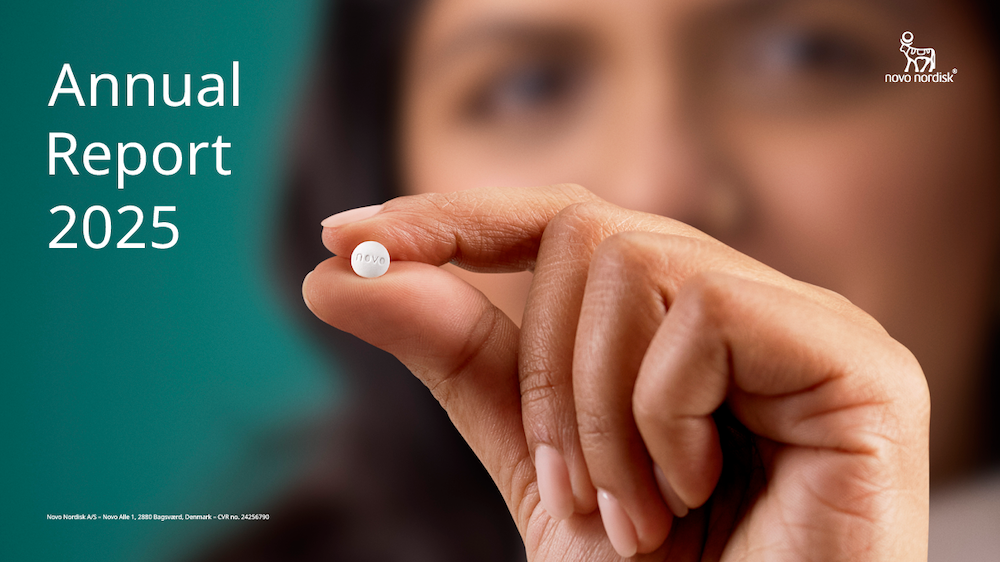
The number that may matter most to people taking these drugs is a manufacturing one. CEO Maziar Mike Doustdar said Novo will "scale our oral manufacturing to 10 times more than the patients we serve today" [3]. About 1.5 million people are currently on the Wegovy pill, which launched in January [3]. Across all its products, Doustdar said Novo expects to go "from 46.5 million patients we serve today to more than 60 million if our calculation holds" [3]. The company is targeting capacity to serve 15 million people on oral obesity treatments by 2030 [1].
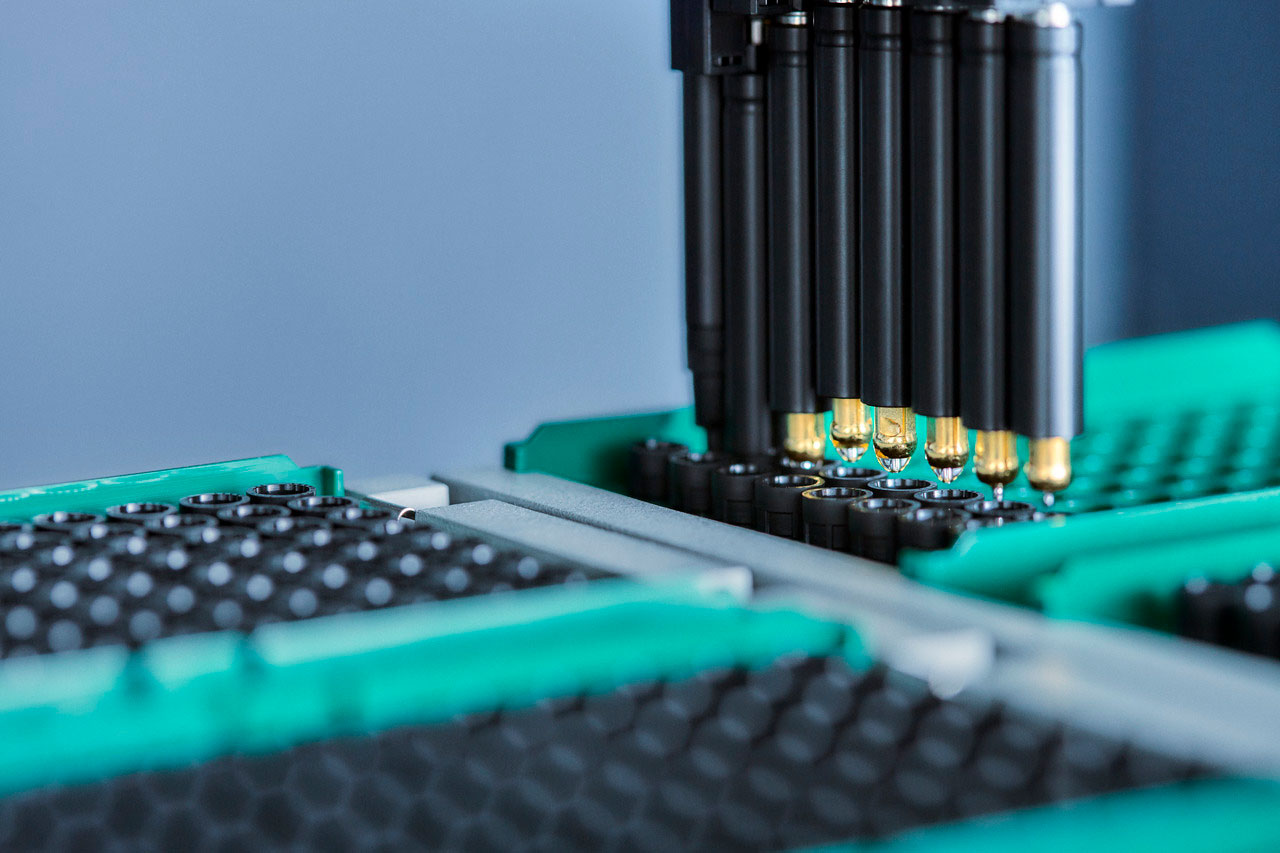
Novo says the capacity is already lined up. Manufacturing chief Kasper Bødker Mejlvang pointed to a repurposed former Alkermes plant in Ireland and a scale-up in Durham, North Carolina, and said Novo supplies the US oral Wegovy market from five domestic production sites [3]. He added that Novo is "exploring and developing further partnerships externally" with third-party plants to scale faster if demand rises [3]. Executives have repeatedly said supply will not be a problem the way it was during the earlier injectable shortages [1].
The money behind the pill
Novo said the Wegovy pill has reached 7 million US prescriptions, with 90% of those sales coming through cash-pay channels rather than insurance [1]. More than 80% of US patients starting the pill had not previously used a GLP-1 drug, which the company reads as evidence that people were waiting for an alternative to injections [2]. Internationally, the pill has launched in Germany, the UK and the United Arab Emirates — about one-third of the international opportunity — with Mexico next and more than 20 markets planned by the end of next year [3].
Investors were unimpressed. Shares fell about 8% in Monday morning trading, according to CNBC and BioPharma Dive [2][4]; BioSpace reported a 7% slide to $40.20 [5]. One sticking point was growth: investors had expected a compound annual growth rate of roughly 3.65%, while Novo guided to 3.53% [5]. Barclays analysts cited "limited new disclosure to increase confidence," and Jefferies said the plan failed to "derisk the trajectory or offer a strategic reset" [2]. Doustdar acknowledged the reaction, saying Novo "still need[s] to do more work on building trust of the market" [2].
The backdrop is competitive pressure. Eli Lilly said it held about 61% of the US GLP-1 market in the second quarter, versus roughly 39% for Novo [1]. Lilly CEO Dave Ricks said one-third of new GLP-1 pill patients are now starting on Foundayo, Lilly's orforglipron pill, and that 700,000 seniors have started GLP-1s since Medicare coverage began in July, with 70% on Lilly's drugs [1].
Why it matters for patients
For people using or considering a GLP-1 pill, the practical question is whether supply keeps up and what it costs. Novo's tenfold capacity pledge is aimed directly at the worry that the large amount of peptide in oral Wegovy would limit how many people can be served [3]. Whether that translates into steady pharmacy availability has not yet been demonstrated.
Price is the open question. With 90% of Wegovy pill sales coming through cash-pay channels [1], most users are paying outside insurance. Analysts at Monday's event pressed Novo on whether its future drugs can hold premium prices once Wegovy and Ozempic lose exclusivity [1]. Semaglutide loses US patent protection in 2032 [1][4]; Wegovy and Ozempic together generated $31 billion in 2025, about two-thirds of Novo's sales [1].
What happens next
CagriSema, Novo's semaglutide-plus-cagrilintide injection, is expected to launch early next year, followed by standalone cagrilintide and a higher-dose CagriSema in 2028 [1]. Lilly plans to seek approval for retatrutide, its triple-agonist, in the first quarter of 2027 [1].
Images from the sources

Sources
- https://www.cnbc.com/2026/09/25/novo-eli-lilly-obesity-drugs.html
- https://www.cnbc.com/2026/09/24/novo-nordisk-ceo-rebuild-investor-trust-strategy-backlash.html
- https://www.biospace.com/drug-delivery/novo-targets-10-fold-jump-in-oral-wegovy-manufacturing-capacity-by-2030
- https://www.biopharmadive.com/news/novo-capital-markets-day-obesity-sales-outlook/830882/
- https://www.biospace.com/business/novos-plan-to-hit-23b-in-revenue-by-2035-leaves-investors-wanting
- https://www.novonordisk.com/investors/financial-results.html
- https://www.cnbc.com/2026/09/21/novo-nordisk-stock-sales-target-obesity-drugs.html
Semaglutides.org is for information only and is not medical advice. Always talk to a licensed healthcare provider about your own care. Some links to telehealth services are affiliate links, labeled where they appear.