A modeling study estimates how fast weight returns after stopping either drug
A new meta-analysis projects that people who stop semaglutide or tirzepatide regain half their lost weight in about 7.5 months, though real-world data show a gentler pattern.
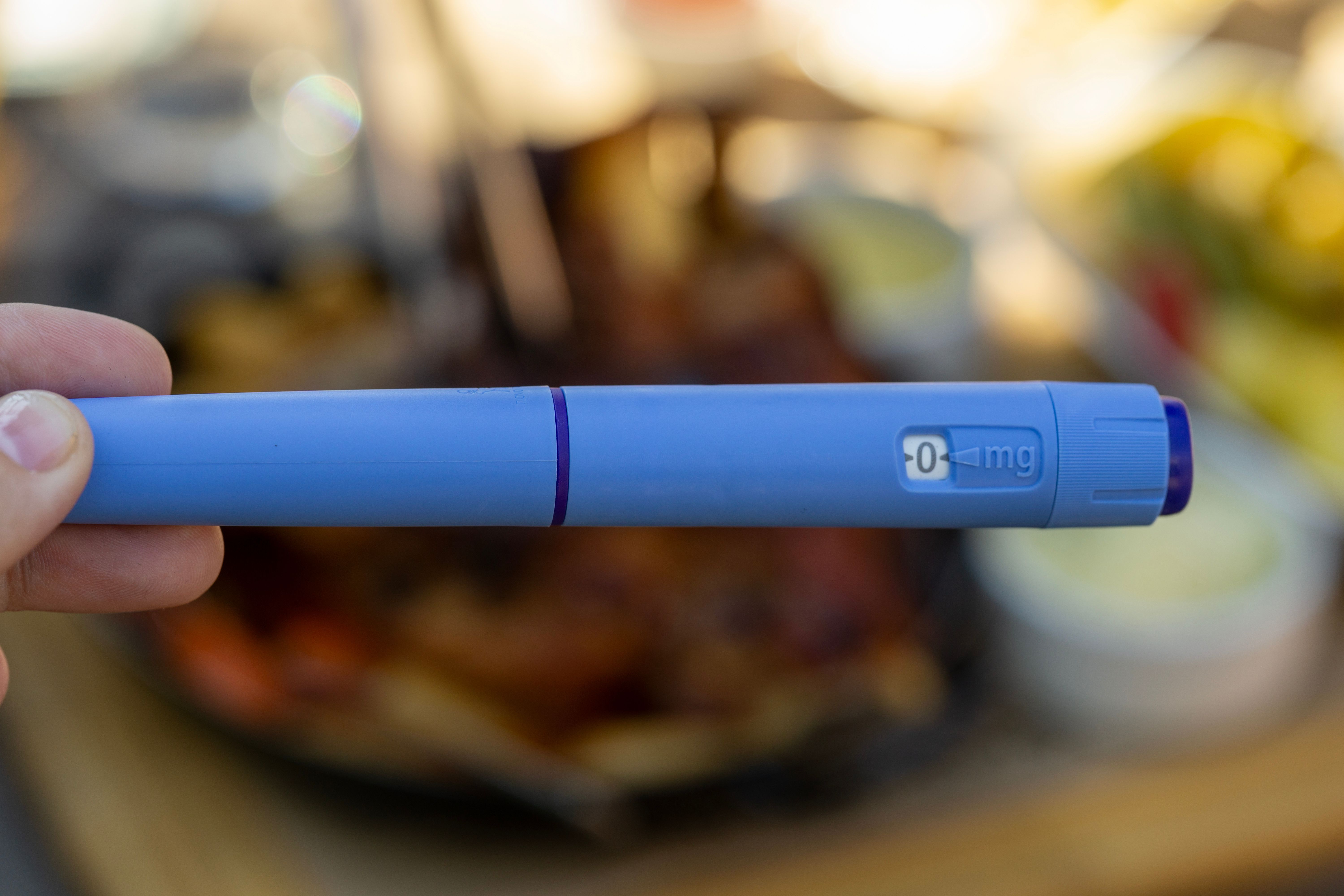
People who stop taking semaglutide or tirzepatide regain about half of the weight they lost within roughly 7.5 months, according to a Bayesian meta-analysis published in Endocrinology, Diabetes, & Metabolism [1]. The model projected a return to starting weight at about 15 months after stopping — though the authors flagged that figure as an extrapolation beyond what the trials actually measured [1].
Researchers rebuilt timepoint-by-timepoint data from 6 randomized trials covering 10 treatment arms and 1,776 participants [1]. The included studies were SURMOUNT-4, the SURMOUNT-1 extension, STEP 10, the SURPASS-1 follow-up, STEP 4 and the STEP 1 extension, all drawn from an earlier systematic review in BMJ that spanned 37 studies and 63 intervention arms [1]. Actual follow-up after people stopped ranged from 4 to 52 weeks [1].
What the model found
At the moment of stopping, participants had lost an average of 15.35 kg (95% credible interval, 11.18–19.60) [1]. After that, weight came back at an estimated 1.04 kg per month (95% CrI, 0.80–1.29) [1].
Translated into timelines, the model estimated 50% of the lost weight would be back at 7.5 months (95% CrI, 5.05–10.57) and all of it at 15.0 months (95% CrI, 10.10–21.13) [1]. Average weight was still below baseline at 6 months (−9.12 kg), 9 months (−6.01 kg) and 12 months (−2.90 kg), corresponding to about 41.4%, 62.1% and 82.8% of the loss regained [1]. The probability that at least half the loss had returned was 12.5% at 6 months, 86.7% at 9 months and 99.5% at 12 months [1].
Raw numbers suggested faster regain after tirzepatide (1.10 kg/month; 95% CrI, 0.79–1.43) than semaglutide (0.89 kg/month; 95% CrI, 0.56–1.23), or 7.24 months versus 8.65 months to half regain [1]. But after adjustment, no clear difference between the two drugs held up: tirzepatide's estimated effect was −0.04 kg/month versus semaglutide (95% CrI, −0.46 to 0.44), with just a 40.2% posterior probability that it was linked to faster regain [1].
Losing more weight in the first place showed the strongest directional link to faster absolute regain — each extra 5 kg lost was tied to a 0.20 kg/month steeper slope (95% CrI, −0.10 to 0.44) [1]. Continued behavioral or lifestyle support pointed toward slower regain (−0.19 kg/month; 95% CrI, −0.57 to 0.17) [1]. Both estimates were imprecise, and the authors called the analysis exploratory because it rested on only 10 intervention arms [1].
Real-world numbers look different
A retrospective Cleveland Clinic study of 7,938 adults in Ohio and Florida who stopped semaglutide or tirzepatide after 3 to 12 months found much less regain than the trial-based model [1]. Patients treated for obesity had lost an average of 8.4% of body weight before stopping and regained an average of just 0.5% a year later, with roughly 45% maintaining or continuing to lose [1]. Those treated for type 2 diabetes had lost 4.4% and lost an additional 1.3% on average, with 56% maintaining or still losing [1].
The likely explanation, researchers said, is what people did next: 27% switched to a different obesity medication, 20% restarted the original drug, 14% worked on lifestyle changes with a clinician, and fewer than 1% had bariatric surgery [1]. "Many patients do not give up on their obesity treatment journey, even if they need to stop their initial medication," said Hamlet Gasoyan, DS, PhD, MPH, of Cleveland Clinic's Center for Value-Based Care Research [1].
Why it matters for patients
Stopping is common. An analysis of 125,474 US adults with overweight or obesity published in JAMA Network Open found that within one year, 64.8% of patients without type 2 diabetes and 46.5% of those with it had stopped their GLP-1 medication; by two years, those figures were 84.4% and 64.1% [1]. Side effects and cost were the reasons cited most often, and moderate to severe gastrointestinal side effects were linked to a higher chance of quitting [1].
Many come back. Among the 41,792 who discontinued, 47.3% with type 2 diabetes and 36.3% without restarted within a year, and each 1% of weight regained was associated with a 2.3% and 2.8% higher hazard of restarting, respectively [1].
The two data sets point in different directions on how much weight returns, and the gap appears to reflect what happens after stopping rather than a flaw in either. The modeling work describes the path with no further treatment; the real-world cohort captures people who often switched, restarted or added support [1].
What is not yet known is which follow-on options work best. Gasoyan said future work will compare alternative treatments in people who stop semaglutide or tirzepatide [1].
Images from the sources

Sources
Semaglutides.org is for information only and is not medical advice. Always talk to a licensed healthcare provider about your own care. Some links to telehealth services are affiliate links, labeled where they appear.