HHS lets pharmacies compound six unapproved peptides under enforcement discretion
HHS said it will not enforce federal rules against pharmacies and physicians that compound six unapproved peptides, an interim step while the FDA weighs whether to allow the practice.
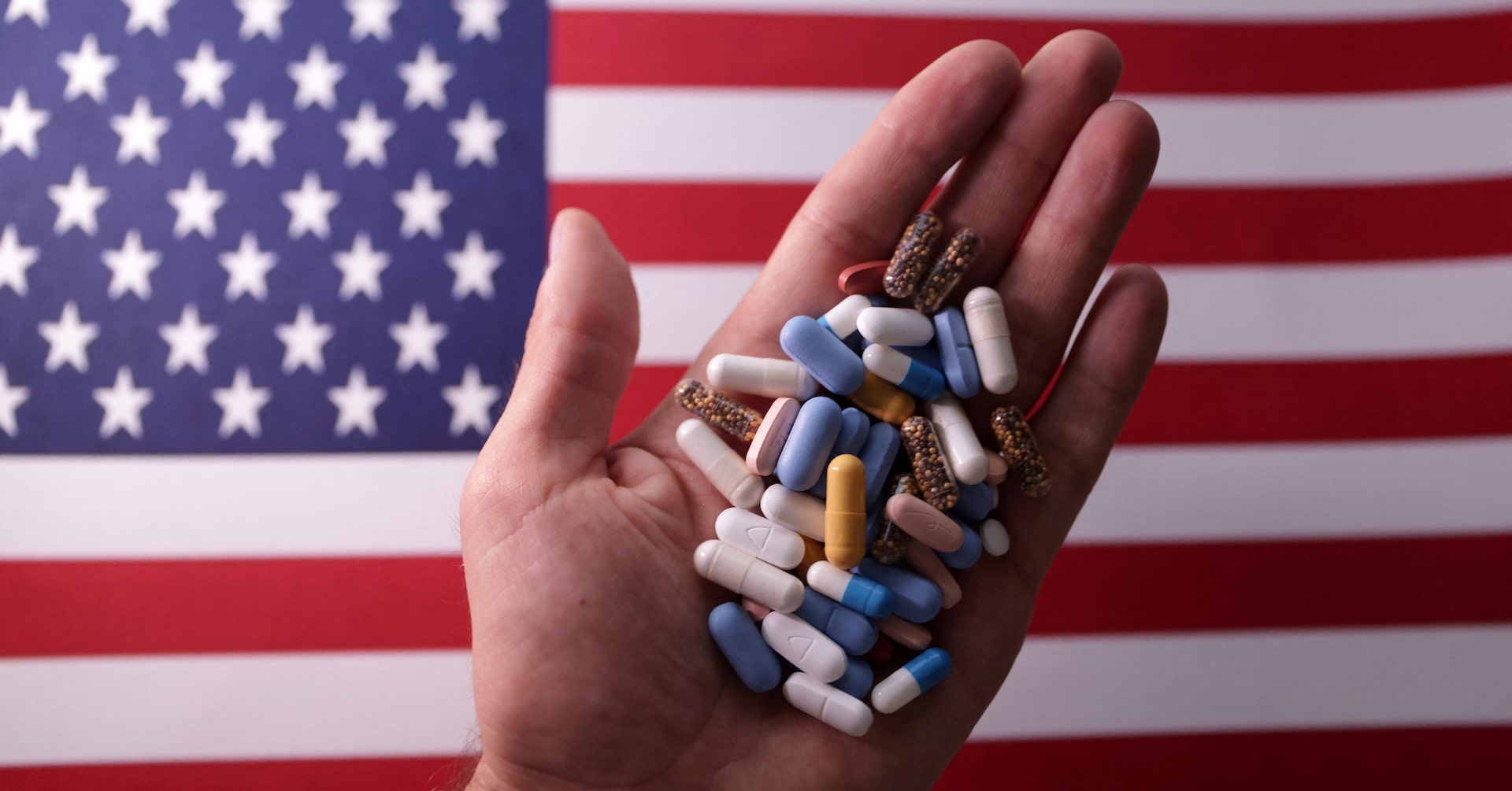
On Oct. 28, 2026, the Department of Health and Human Services released a policy saying it will use "enforcement discretion" not to take action against state-licensed pharmacies, federal facilities or licensed physicians that compound six unapproved peptides [1][3]. The policy is described as interim, and it does not approve the peptides for any use [3][5].
HHS published the policy in the Federal Register, where it carries a publication date of Oct. 30, 2026, document number 2026-22192 and docket number HHS-OASH-2026-0496 [4]. Public comments are due Nov. 13, 2026 [4].
The six peptides are BPC-157 and TB-500 — often used together in a combination promoted online as the "Wolverine stack" for muscle building and soft tissue repair — along with epitalon, promoted for insomnia; KPV for wound healing and inflammatory conditions; MOTS-c for obesity and osteoporosis; and Semax for migraines and chronic pain [3].
The policy follows a July 2026 vote by the FDA's Pharmacy Compounding Advisory Committee recommending that pharmacies be cleared to make six of the substances [1][5]. The same panel voted against a seventh peptide, emideltide, also known as delta sleep-inducing peptide [5]. FDA staff had recommended against allowing the six [3]. Reuters reported that several panel members had ties to peptide-selling businesses or clinics, and that HHS said previously that all members cleared standard ethics checks [3].
Under the policy, compounders are expected to meet requirements on ingredient quality, manufacturing standards, safety reporting, labeling and patient-specific prescriptions [3]. HHS said it may reconsider the policy if safety signals or product-quality problems emerge [3]. The department said the move would discourage use of "research-use-only" peptides supplied by foreign manufacturers, which it called a safety risk, and would improve patient access [3]. HHS described the policy as designed to "advance patient choice and freedom while appropriately protecting patient safety" [5]. In 2023, the FDA raised concerns about the safety of the peptides, noting the risk of immunogenicity [5].
Reaction split along lines similar to earlier public comments on the advisory committee [5]. Robert Steinbrook, director of Public Citizen's Health Research Group, said Health Secretary Robert F. Kennedy Jr. had acted "recklessly and unilaterally," and said the policy could expose patients to contamination, impurities and unknown side effects [3]. Shabbir Imber Safdar, executive director of the Partnership for Safe Medicines, said the policy "leaves Americans in a gray area as to whether peptides are safe or not" [5]. Jim Stansel of PhRMA said, "It is deeply concerning that HHS is telling the FDA they should ignore the law and allow illegal compounding of unapproved peptides" [5].
Supporters included the Alliance for Pharmacy Compounding, which called the action "an important step for patients," and the American Academy of Peptide Medicine, which called it "a vital step toward eliminating the unsafe gray and black markets" [5]. Lee Rosebush, the academy's chair, described the policy as a "landmark regulatory milestone" [3].
Jeff Cohen, co-founder of the American Peptide Association, said the policy could amplify tension between federal and state regulators because states may not follow the federal move to relax rules [3]. Analysts estimate the peptide industry could quickly become a $2 billion to $3 billion market if legitimized [3]. Telehealth companies such as Hims & Hers Health have been preparing to roll out peptide offerings once cleared by federal regulators [3].
Why it matters for patients
None of the six substances named in the policy is a GLP-1 medicine. They are not semaglutide (Ozempic, Wegovy, Rybelsus), tirzepatide (Mounjaro, Zepbound) or orforglipron (Foundayo), and the policy does not change the approval status of any GLP-1 drug.
The closest overlap with weight care is MOTS-c, which Reuters lists as promoted for obesity and osteoporosis [3]. It is not FDA-approved for either use.
Enforcement discretion is not approval. Compounded drugs are not FDA-approved, which means the agency does not review their safety, effectiveness or quality before they are marketed [3]. The FDA has some oversight of compounding facilities, shared with state pharmacy boards [3]. Whether a given pharmacy offers these peptides may depend on state rules, which may not mirror the federal position [3].
What happens next
Public comment on the Federal Register notice closes Nov. 13, 2026 [4]. The FDA continues to weigh whether to allow compounding pharmacies to manufacture peptides, so the current arrangement is temporary [1]. HHS has said it may revisit the policy if safety signals or product-quality problems emerge; no date for such a review has been disclosed [3].
Images from the sources

Sources
- https://www.statnews.com/2026/10/28/hhs-enforcement-discretion-policy-allows-peptide-compounding/
- https://www.statnews.com/pharmalot/2026/10/29/peptides-policy-released-by-hhs-pbm-disclosure-requirements/
- https://www.reuters.com/legal/litigation/us-health-department-allow-temporary-sale-some-unapproved-peptides-2026-10-28/
- https://www.federalregister.gov/public-inspection/2026-22192/enforcement-discretion-policy-regarding-503a-compounding-using-certain-peptide-bulk-drug-substances
- https://www.biospace.com/drug-delivery/hhs-clears-compounding-pharmacies-to-manufacture-6-unapproved-peptides
Semaglutides.org provides information only, not medical advice. Talk to a licensed provider about your own care before making changes. Some telehealth links are affiliate links and are labeled where they appear.