Colonel Eli Lilly opens a laboratory in Indianapolis
Eli Lilly and Company traces its start to a small Indianapolis lab opened on May 10, 1876 — the same company that today makes tirzepatide (Mounjaro and Zepbound).
On May 10, 1876, Colonel Eli Lilly — a Civil War veteran trained as a chemist and pharmacist — opened a two-story laboratory near Meridian and Pearl Streets in Indianapolis. He started with three employees, one of them his 14-year-old son, and a production area of roughly 160 square feet, about the size of a small bedroom.
That modest operation grew into Eli Lilly and Company, one of the two manufacturers that dominate today's market for GLP-1 and incretin medicines. The company's own published history describes the business as beginning "150 years ago, when founder Colonel Eli Lilly combined scientific rigor and passion for discovery with caring for the people and communities the company served," and quotes his instruction to employees: "Take what you find here and make it better and better" [1].
From insulin to incretins
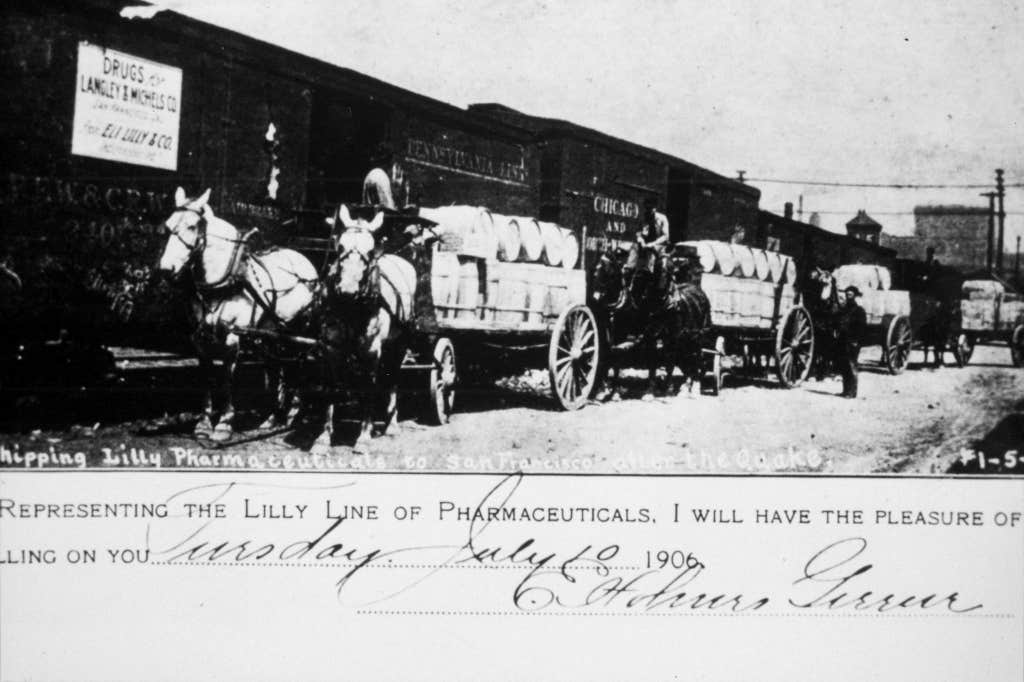
Lilly's public timeline does not detail the 1876 opening itself; its earliest dated entry is 1906, when the company replaced pharmaceutical supplies lost in the San Francisco earthquake at no cost [1]. The milestones most relevant to people with diabetes and obesity come later.
In 1923, Lilly introduced Iletin, animal-source insulin and the world's first commercially available insulin product, for a disease the company describes as then-fatal with no effective treatment options [1]. In 1982, it introduced Humulin, human insulin made with recombinant DNA technology — the first human health care product created that way [1].
The incretin era arrived much more recently. Lilly introduced Mounjaro (tirzepatide) for type 2 diabetes in 2022 [1]. Zepbound, the same molecule branded for chronic weight management, was approved in 2023, which the company says moved it into a new disease area [1]. In 2024, Zepbound was approved with an additional indication as the first and only prescription medicine for adults living with moderate-to-severe obstructive sleep apnea and obesity [1].
Two other 2024 entries matter for how Americans actually get these drugs. Lilly launched LillyDirect, which it describes as an effort to "reimagine the consumer health care experience" [1]. And in 2025, the company announced additional investments in new manufacturing capacity, framed as a way to reach more patients with its medicines [1].
Why it matters for patients
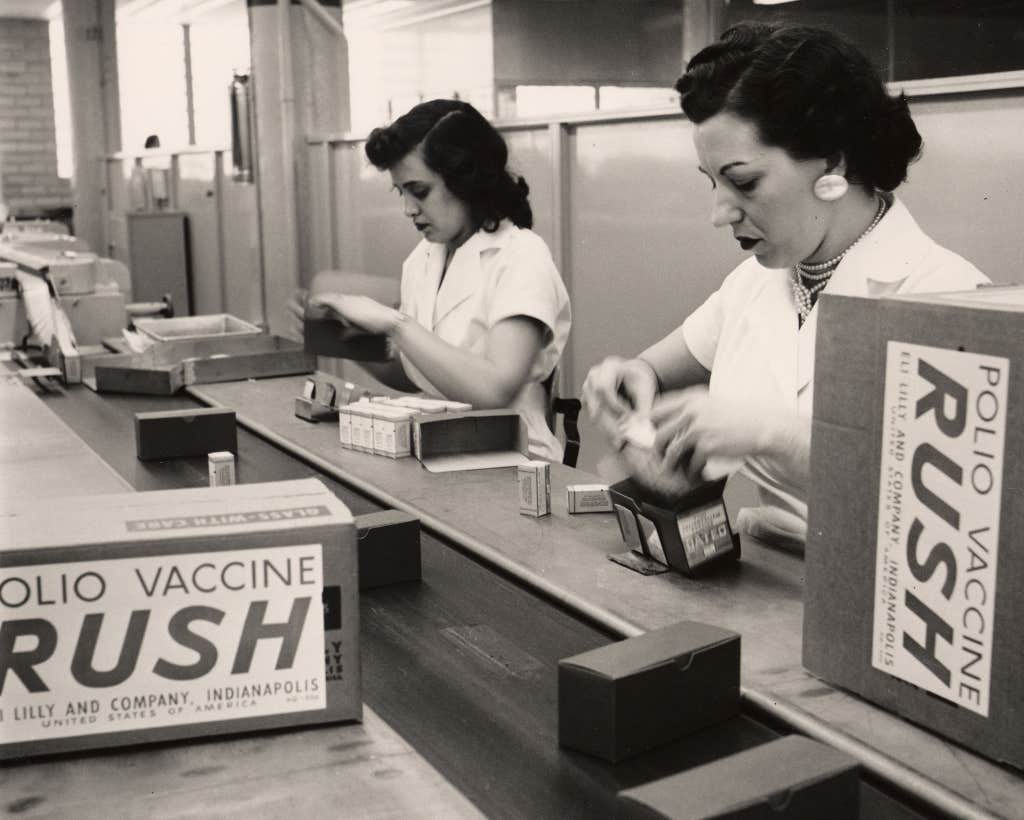
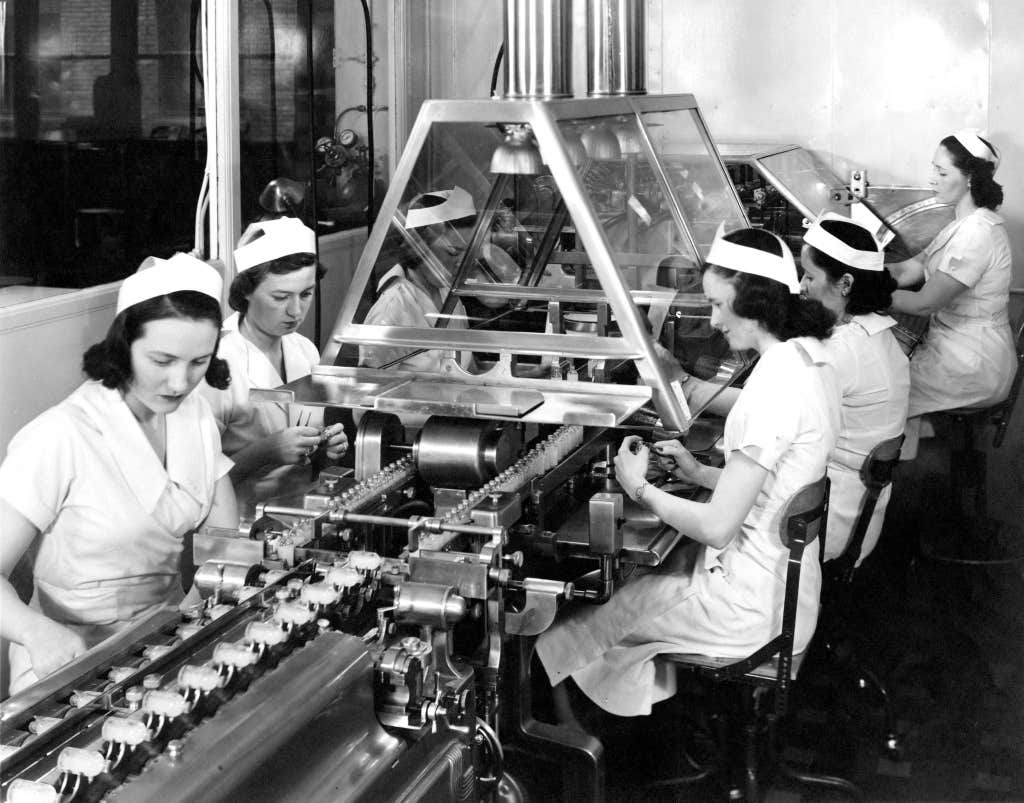
A 150-year-old anniversary is not a clinical event, but the corporate history behind a prescription is not trivial either. The company that packs a tirzepatide pen today is the same one that commercialized insulin in 1923 and built mass-production capacity for penicillin in the 1940s [1]. That manufacturing scale is directly relevant to GLP-1 users, because supply has repeatedly shaped who can fill a prescription and at what price.
Pricing programs are part of that history too. Lilly opened its Diabetes Solution Center in 2018 to help people who need assistance paying for its insulin in the U.S. [1]. It launched the Insulin Value Program in 2020 with a $35 copay card regardless of insurance status, and expanded that program in 2023 with price cuts on additional diabetes medications [1].
What the company's own timeline does not address — and what these sources do not answer — is how current tirzepatide pricing, insurance coverage or supply will change going forward. Those are separate questions that depend on payers, federal policy and manufacturing output, none of which are covered here.
What happens next
The 150th anniversary of the 1876 founding falls on May 10, 2026. Lilly's history page already frames the company as spanning "six generations of caring and discovery" and references its 2025 manufacturing expansion announcements, though the sources provided do not specify locations, dollar amounts or which products those plants will make [1]. Anyone tracking supply of tirzepatide or other Lilly incretins will want the details of those capacity announcements rather than the anniversary itself.
Images from the sources

Sources
Semaglutides.org is for information only and is not medical advice. Always talk to a licensed healthcare provider about your own care. Some links to telehealth services are affiliate links, labeled where they appear.