Lilly sells Iletin, the first commercially available insulin in the United States
In 1923 Lilly began selling Iletin, which the company calls the world's first commercially available insulin — the start of the diabetes franchise that now runs through tirzepatide (Mounjaro and Zepbound).
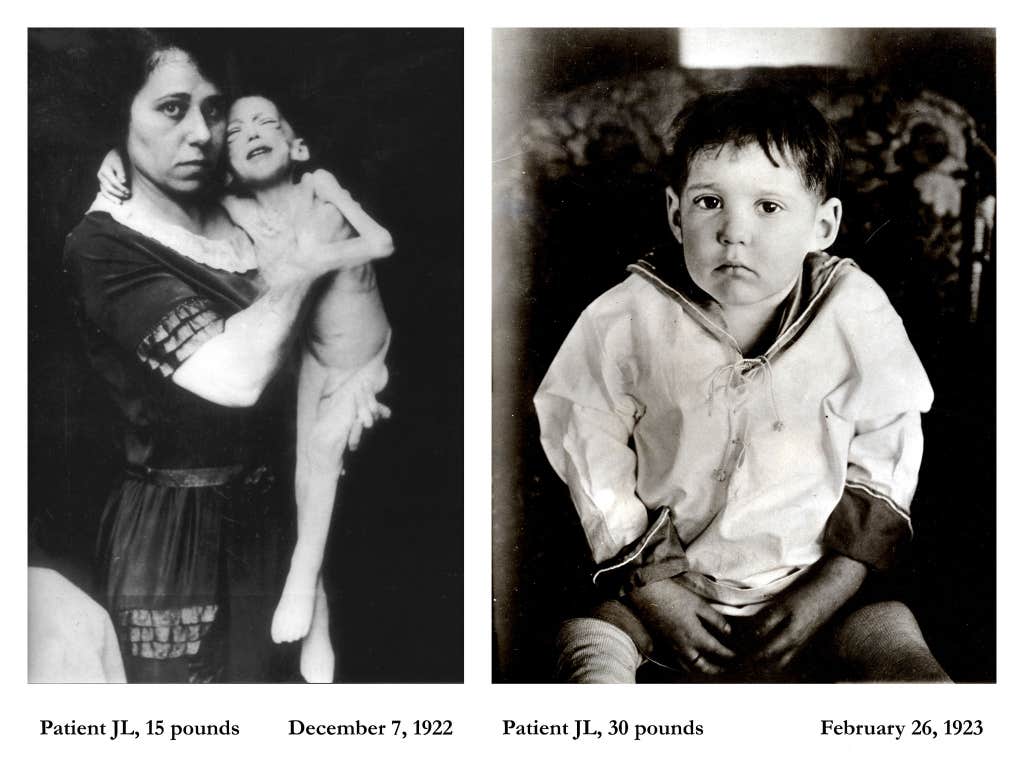
In 1923, Eli Lilly and Company introduced Iletin, an animal-source insulin that the company describes as the world's first commercially available insulin product, for diabetes — at the time "a then-fatal disease with no effective treatment options" [2]. That launch began a century-long line of diabetes and metabolic medicines at the Indianapolis company, and it is the commercial ancestor of today's tirzepatide business [1][2].
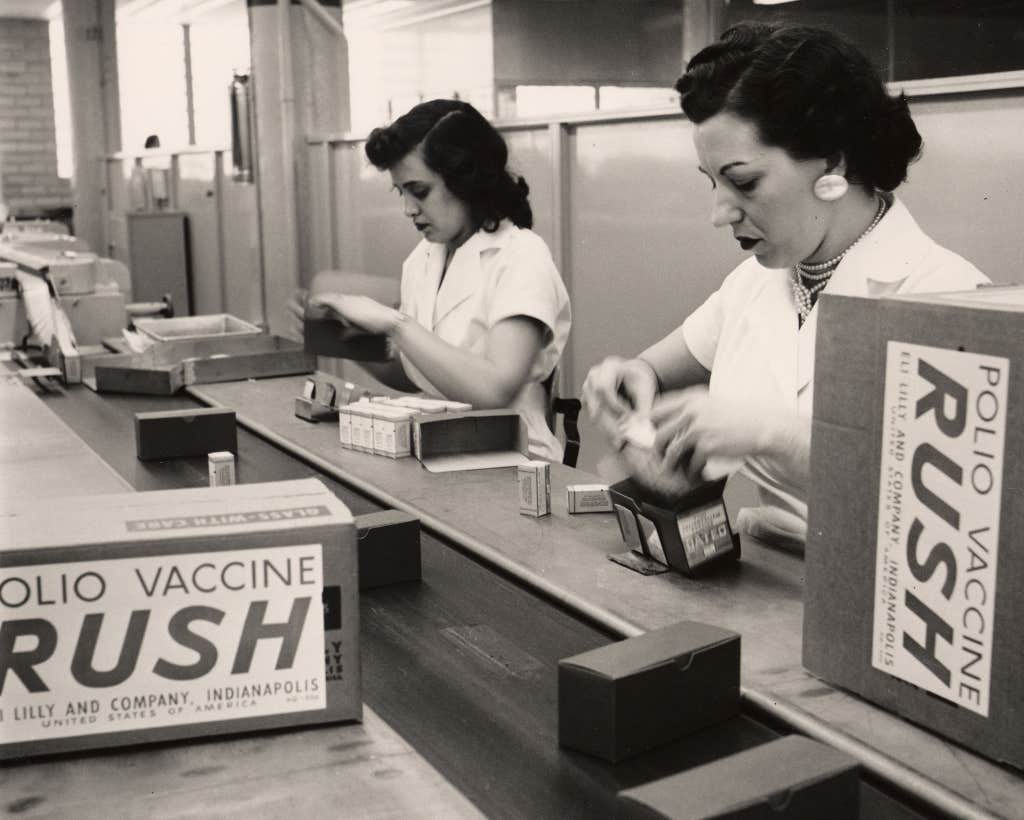
Lilly was founded in 1876 by Colonel Eli Lilly, a pharmaceutical chemist and Union army veteran of the Civil War, who ran the company until his death in 1898 [1][2]. Lilly was the first company to mass-produce insulin, and later the first to mass-produce the polio vaccine developed by Jonas Salk in 1955 [1][2].
The insulin thread runs through the company's whole history. In 1982, Lilly introduced Humulin, human insulin derived from recombinant DNA — insulin identical to that made by the human body, and the world's first human health care product created with recombinant DNA technology [1][2]. Lilly also produced Humalog (insulin lispro) and Basaglar (insulin glargine), the first approved biosimilar insulin product in the United States [1].
From insulin to incretins
The GLP-1 story at Lilly starts earlier than many patients realize. In 2005, Lilly brought exenatide to market, the first of the GLP-1 receptor agonists [1]. Dulaglutide (Trulicity), another GLP-1 drug for type 2 diabetes, accounted for 7% of 2025 revenues [1]. In 2022, the company introduced Mounjaro (tirzepatide), a GIP and GLP-1 receptor agonist, for diabetes; Zepbound (tirzepatide) was approved for chronic weight management in 2023, and in 2024 it was approved for adults with moderate-to-severe obstructive sleep apnea and obesity [1][2].
The scale of that shift is striking against the insulin origin story. Tirzepatide (Mounjaro and Zepbound) made up 56% of Lilly's 2025 revenues, while Humalog and Humulin are now listed among products with "a minor contribution to revenues" [1]. Lilly reported $65.18 billion in 2025 revenue, $20.64 billion in net income and about 50,000 employees [1]. In November 2025, it reached a $1 trillion market capitalization, the first health care company in the world to do so [1]. In 2024, 67% of revenues came from the United States [1].
Why it matters for patients
The 1923 launch is a useful reminder that the company selling today's most-discussed obesity and diabetes drugs has been the dominant supplier in this disease area for a century — and that pricing and access debates in diabetes are not new. Lilly opened the Lilly Diabetes Solution Center (833-808-1234) in 2018 to assist people who need help paying for its insulin in the U.S. [2]. In 2020 it launched the Lilly Insulin Value Program, offering a $35 copay card for certain medicines regardless of insurance status, and expanded that program in 2023 with price cuts on additional diabetes medications [2]. In 2024 it launched LillyDirect, described by the company as an effort to "reimagine the consumer health care experience" [2].
The revenue mix also explains where a company's attention and manufacturing capacity go. With tirzepatide now the majority of sales [1], and Lilly announcing additional manufacturing investments in 2025 [2], the incretin franchise — not insulin — is the commercial center of the business. Older insulin products remain on the market but are a small share of revenue [1].
What is not in the record here
The two sources used for this account do not describe the University of Toronto research team's role, the 1923 price of Iletin, how many patients received it in its first year, or the terms of any licensing arrangement. Those details are not established by the material reviewed and should not be assumed. The Lilly timeline also does not give a month or specific launch date in 1923 [2].
Nothing here is medical advice, and none of these historical products should be compared to current prescriptions without a clinician's input.
Images from the sources
Sources
Semaglutides.org is for information only and is not medical advice. Always talk to a licensed healthcare provider about your own care. Some links to telehealth services are affiliate links, labeled where they appear.