FDA approves Adlyxin (lixisenatide)
Sanofi's once-daily GLP-1 drug Adlyxin, approved by the FDA in July 2016, was later discontinued in the US after failing to compete with weekly injectables and pills like Ozempic and Rybelsus.
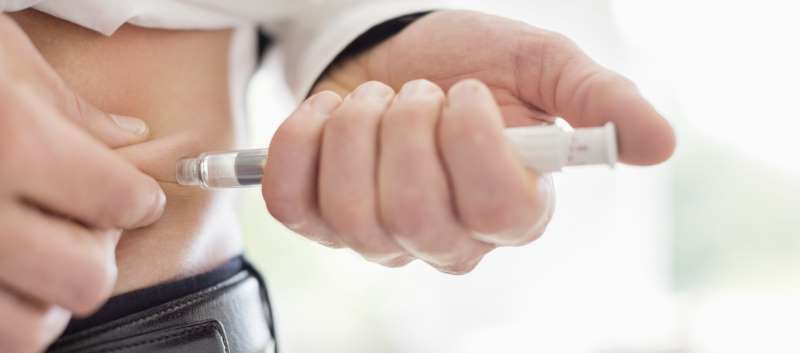
In July 2016, the Food and Drug Administration approved Adlyxin (lixisenatide), a glucagon-like peptide-1 (GLP-1) receptor agonist made by Sanofi, as an add-on to diet and exercise for adults with type 2 diabetes [1]. The drug required a daily injection, at a time when other GLP-1 medicines were shifting to once-weekly dosing.
Adlyxin did not stay on the US market for long. A posting on the FDA's Drug Shortages tracker later confirmed the product had been discontinued, and Sanofi itself stated the drug would no longer be available in the United States [1]. The exact date of discontinuation is not stated in available sources, and it is not known here how many years Adlyxin was actively marketed before being pulled.
By the time Adlyxin left the market, patients with type 2 diabetes had several other GLP-1 options to choose from, according to a list compiled after the discontinuation. These included Bydureon Bcise and Byetta (exenatide, in extended-release and short-acting forms), Ozempic (semaglutide injection), Rybelsus (semaglutide tablets), Trulicity (dulaglutide), and Victoza (liraglutide) [1]. Several of these require only weekly injections, and one is an oral tablet, giving patients dosing schedules that Adlyxin's daily injection could not match.
Why it matters for patients
For people with type 2 diabetes who were prescribed Adlyxin, the discontinuation means the medication is no longer an option in the US, regardless of whether it had worked well for them individually. Patients who had been using it needed to switch to an alternative therapy. The source lists several drugs in the same GLP-1 class that remain available, including once-weekly injections like Ozempic and Trulicity, as well as the oral option Rybelsus [1].
The broader lesson from Adlyxin's short run in the US market is about dosing convenience. A daily injection asks more of a patient than a weekly one, and once weekly and oral versions of similar drugs became available, a short-acting daily product had a harder time competing for market share. This pattern is a reminder that a drug's approval by the FDA does not guarantee it will remain commercially available indefinitely; discontinuation can happen for business reasons even when a drug worked as intended for some patients.
For patients newly considering a GLP-1 medication today, Adlyxin's exit means it is simply not part of the current menu of choices in the United States. Available sources do not specify how the discontinuation affected patients already on Adlyxin therapy in practical terms, such as timelines for finding a switch or any transition support offered by Sanofi.
What happens next
Because Adlyxin has already been discontinued and is listed as such on the FDA's Drug Shortages tracker, there is no indication in available sources that Sanofi plans to reintroduce the drug in the US [1]. Patients who were on Adlyxin, or clinicians managing type 2 diabetes care, would need to consider other approved GLP-1 options such as Ozempic, Rybelsus, Trulicity, Victoza, Byetta, or Bydureon Bcise, all of which remain listed as alternatives in the source material [1]. No further regulatory milestones related to Adlyxin are mentioned in the available reporting.
Images from the sources
Sources
Semaglutides.org is for information only and is not medical advice. Always talk to a licensed healthcare provider about your own care. Some links to telehealth services are affiliate links, labeled where they appear.