Lilly pauses an Indian obesity awareness campaign after regulatory scrutiny
Eli Lilly paused an obesity awareness campaign in India after regulators warned it could amount to indirect drug promotion, a dispute that shows how differently countries police weight-loss drug marketing than the U.S. does.
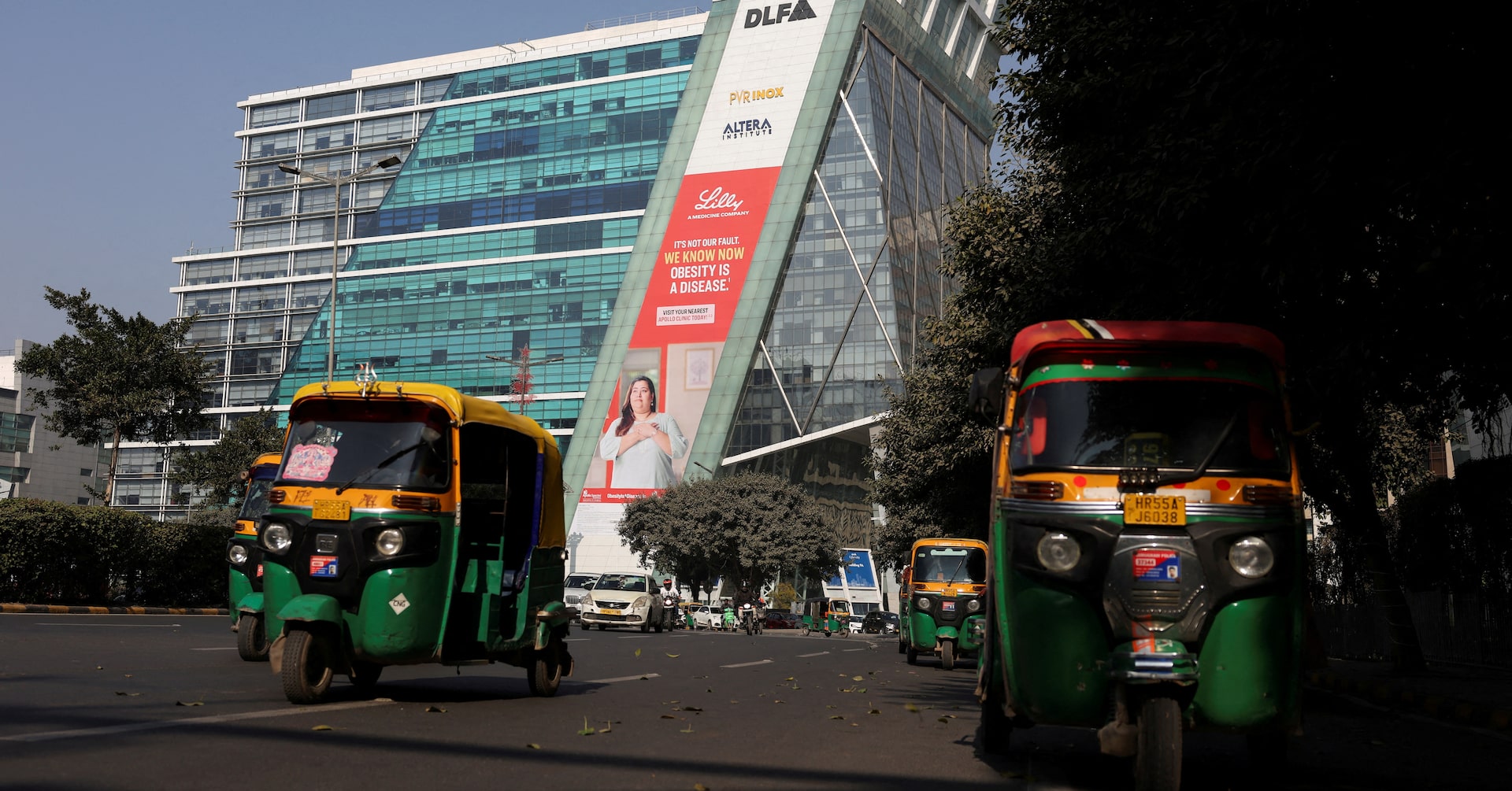
Eli Lilly has suspended its "We Know Now" obesity awareness campaign in India after the country's drug regulator warned the effort could indirectly promote its GLP-1 drug Mounjaro to consumers, according to a letter reviewed by Reuters [1]. Lilly asked India's Drugs Controller General for clearer rules on what disease-awareness activities are allowed [1].
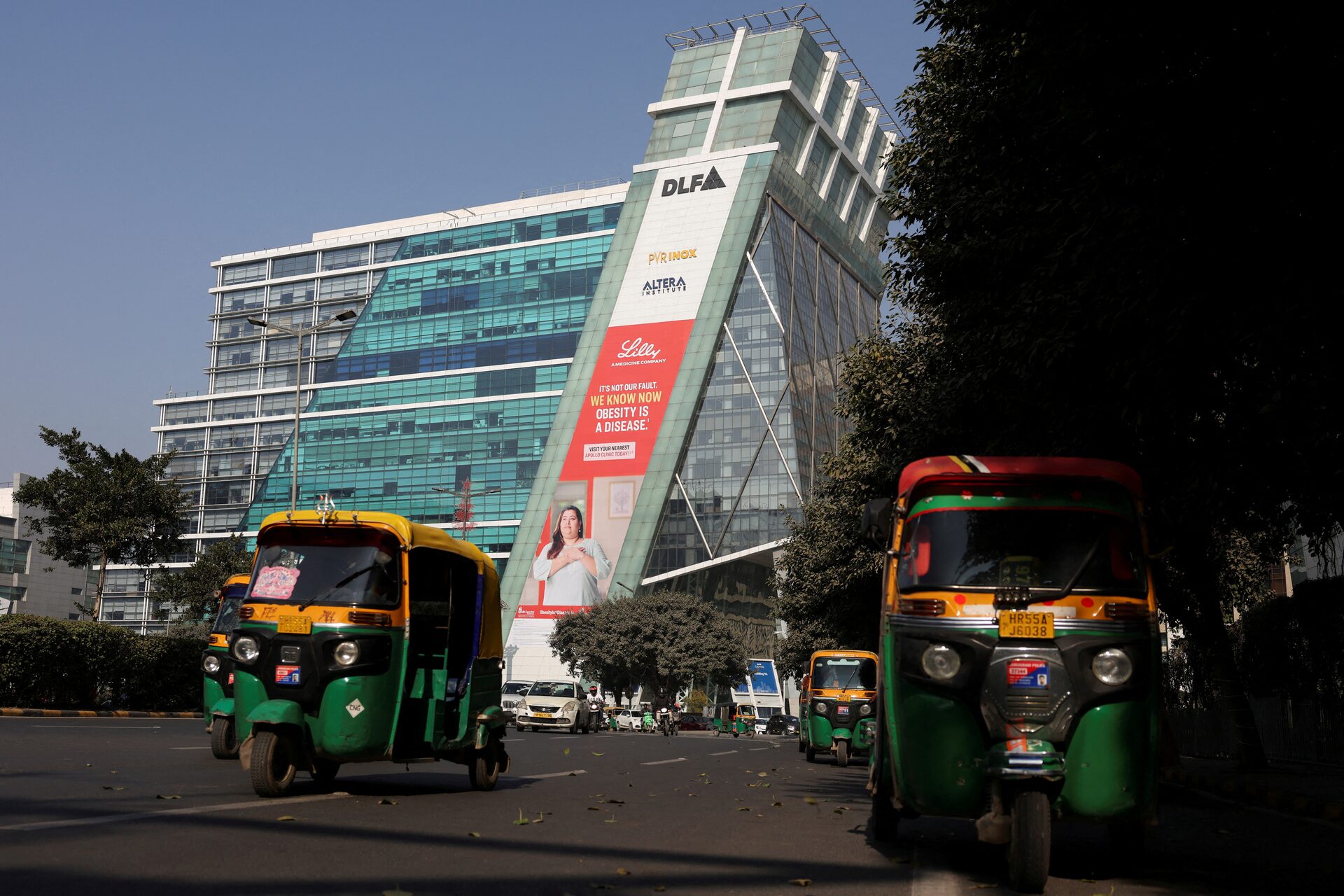
The campaign launched in mid-2025, not long after Lilly introduced Mounjaro for obesity and diabetes in India in March 2025 [1]. It used newspaper ads, social media posts, billboards, Bollywood celebrity partnerships and even posters in some residential communities, all carrying Lilly's corporate logo but never naming Mounjaro [1]. The message reframed obesity as a chronic disease rather than a personal failing and told people to consult their doctors [1][2].
India's Central Drugs Standard Control Organization sent Lilly a March advisory saying that disease-awareness campaigns, influencer engagement or corporate branding can violate rules against direct or indirect prescription drug marketing if they create "brand recall or product visibility" [2]. A separate notice flagged that the campaign's timing, launching soon after Mounjaro's debut, could indirectly promote the drug [1]. In an April 10 letter to regulators, Lilly said it paused the campaign "out of an abundance of regulatory caution" but argued the guidance was so broad it could block even non-branded, doctor-led health education, calling the regulator's two positions "irreconcilable" [1].
The stakes for Lilly in India are significant. Mounjaro became the country's top-selling drug in October, and India's obesity drug market is projected to grow from about 17.34 billion rupees today to 80 billion rupees, or roughly $839 million, by 2030 [1]. About 24% of Indian women aged 15 to 49 and 23% of men aged 15 to 54 were overweight or obese in a 2019-2021 government survey, up from about 20.6% and 19% respectively in 2015-2016 [1]. This is not Lilly's only run-in with regulators over such campaigns: French authorities recently fined both Lilly and Novo Nordisk over a disease-awareness campaign that officials said effectively encouraged use of Mounjaro regardless of a person's weight or body mass index [2].
Why it matters for patients
For Americans taking or considering semaglutide (Ozempic, Wegovy, Rybelsus) or tirzepatide (Mounjaro, Zepbound), this dispute is a reminder that direct-to-consumer advertising rules vary widely by country. Direct-to-consumer drug advertising is common and legal in the United States, but India restricts it, including indirect promotion through disease-awareness messaging [1]. That gap means the kind of celebrity-fronted, doctor-led campaigns Americans see for GLP-1 drugs would face a different legal standard overseas.
The dispute does not affect access to Mounjaro or any other GLP-1 medicine in the U.S., and it is not about safety or efficacy. It is a marketing and regulatory question in another country. Still, it shows regulators worldwide are increasingly scrutinizing whether obesity
Images from the sources
Sources
Semaglutides.org is for information only and is not medical advice. Always talk to a licensed healthcare provider about your own care. Some links to telehealth services are affiliate links, labeled where they appear.