LEADER shows liraglutide cuts cardiovascular events in type 2 diabetes
A large trial found the daily GLP-1 injection Victoza (liraglutide) lowered heart attacks, strokes and cardiovascular deaths in people with type 2 diabetes at high heart risk.
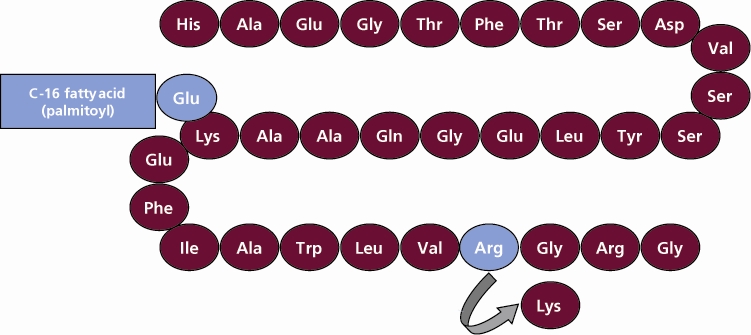
Results from the LEADER trial, published July 28, 2016 in the New England Journal of Medicine, show that liraglutide (sold as Victoza) reduced major cardiovascular events in adults with type 2 diabetes and high cardiovascular risk compared with placebo [1]. It is one of the first clear signals that a GLP-1 receptor agonist can do more than lower blood sugar.
What the trial found
LEADER was a double-blind, randomized trial that enrolled 9,340 patients with type 2 diabetes and high cardiovascular risk, assigning them to liraglutide or placebo on top of standard care [1]. The main outcome was the first occurrence of death from cardiovascular causes, nonfatal heart attack, or nonfatal stroke — often called MACE [1].
The primary outcome happened in 608 of 4,668 patients (13.0%) on liraglutide versus 694 of 4,672 (14.9%) on placebo, a hazard ratio of 0.87 (95% CI, 0.78 to 0.97) [1]. The trial was designed first to show liraglutide was not worse than placebo, using a noninferiority margin of 1.30; it cleared that bar (P<0.001) and also met the tougher test of superiority (P=0.01) [1].
The biggest single driver was death from cardiovascular causes: 219 patients (4.7%) on liraglutide versus 278 (6.0%) on placebo, a hazard ratio of 0.78 — a 22% relative reduction (95% CI, 0.66 to 0.93; P=0.007) [1]. Death from any cause was also lower, 381 patients (8.2%) versus 447 (9.6%), hazard ratio 0.85 (95% CI, 0.74 to 0.97; P=0.02) [1]. Rates of nonfatal heart attack, nonfatal stroke, and hospitalization for heart failure were lower with liraglutide but not by a statistically significant margin, and the authors note that no adjustments for multiple comparisons were made for the prespecified exploratory outcomes [1].
One detail differs across accounts of the trial: the published report lists a median follow-up of 3.8 years, while some summaries cite 3.5 years [1]. The published paper is the primary record.
On safety, the most common adverse events leading patients to stop liraglutide were gastrointestinal, and the rate of pancreatitis was nonsignificantly lower with liraglutide than with placebo [1]. The trial was funded by Novo Nordisk and the National Institutes of Health [1].
Why it matters for patients
For years, diabetes drugs were judged mainly on how much they lowered A1C, and regulators required newer agents to prove they did not increase heart risk. LEADER goes further: it reports fewer cardiovascular events and fewer deaths in a population that already had high cardiovascular risk [1]. The absolute difference in the primary outcome was about 1.9 percentage points over the study period (13.0% versus 14.9%) — a modest but real gap across thousands of patients [1].
That evidence is reflected in the product label. Victoza's FDA-approved labeling lists two indications: improving glycemic control in adults and children aged 10 and older with type 2 diabetes as an adjunct to diet and exercise, and reducing the risk of major adverse cardiovascular events in adults with type 2 diabetes and established cardiovascular disease [2].
Liraglutide is a once-daily injection, dosed by the label starting at 0.6 mg and stepped up over weeks [2]. It carries a boxed warning about thyroid C-cell tumors seen in rodents, and it is contraindicated in people with a personal or family history of medullary thyroid carcinoma or with Multiple Endocrine Neoplasia syndrome type 2 [2]. Labeled warnings include acute pancreatitis, hypoglycemia when combined with insulin or insulin secretagogues, acute kidney injury from volume depletion, severe gastrointestinal reactions, hypersensitivity reactions, and gallbladder disease [2]. The most common side effects at 5% or higher are nausea, diarrhea, vomiting, decreased appetite, indigestion and constipation [2].
Two limits are worth keeping in mind. LEADER studied people with type 2 diabetes and high cardiovascular risk, not people taking a GLP-1 drug primarily for weight loss [1]. And these results apply to liraglutide; whether other GLP-1 medicines produce the same cardiovascular benefit is not addressed in these sources.
What happens next
The LEADER report was published July 28, 2016 [1]. How prescribers, guideline committees and insurers respond to a cardiovascular benefit — rather than only a blood-sugar benefit — is not something these sources answer. Questions about whether liraglutide fits a specific situation are for a treating clinician.
Sources
Semaglutides.org is for information only and is not medical advice. Always talk to a licensed healthcare provider about your own care. Some links to telehealth services are affiliate links, labeled where they appear.