Business Group on Health survey finds 14 percent of employers have dropped or plan to drop GLP-1 coverage in 2027
A survey of large US employers found about 14% have dropped or plan to drop GLP-1 coverage in 2027, and the share covering the drugs for weight loss already fell from 72% to 60%.
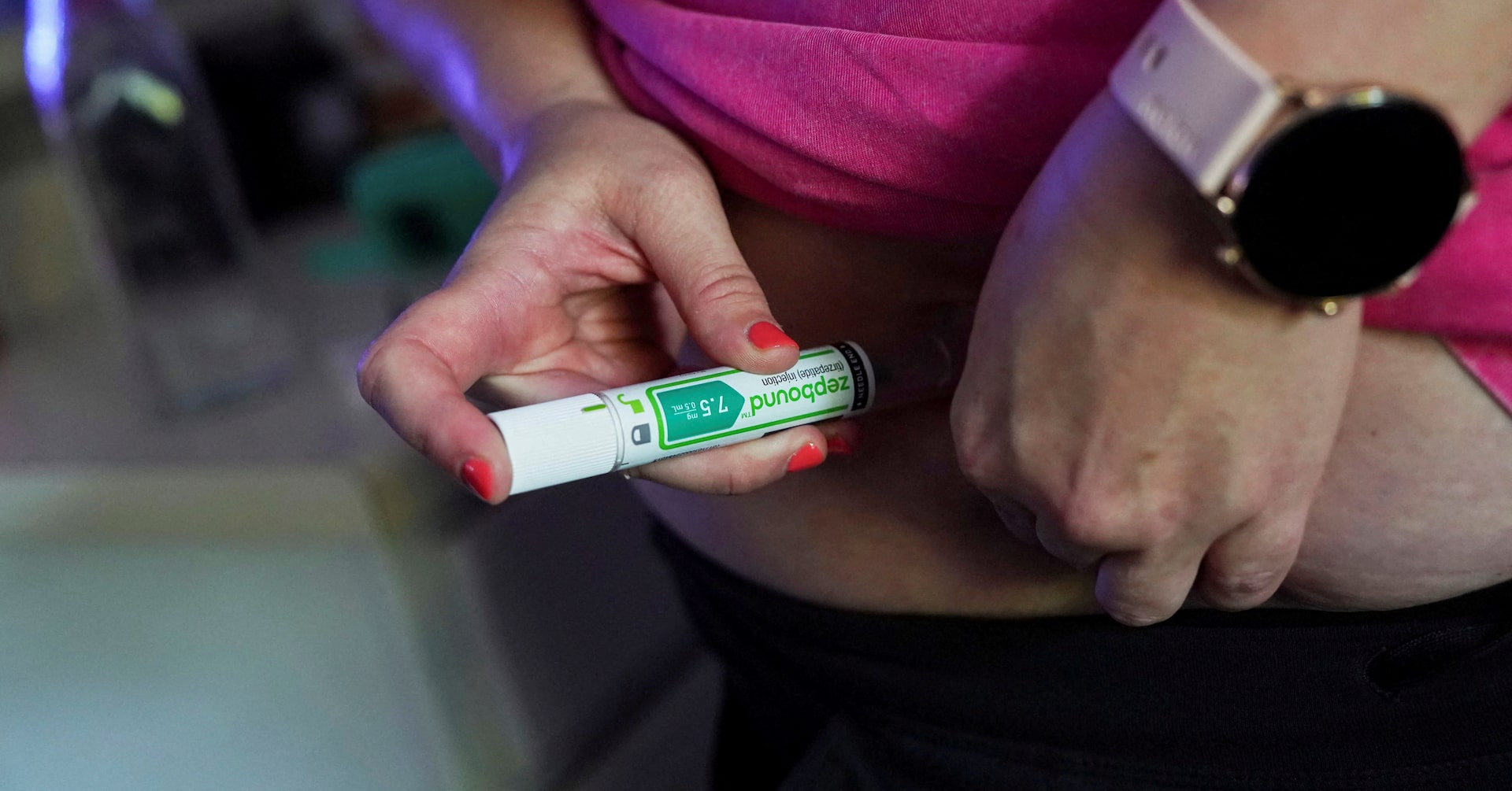
About 14% of US employers have already dropped or plan to drop coverage of GLP-1 drugs in 2027, according to a survey the Business Group on Health released on August 25 [1]. The group, which represents large employers on health benefits policy, tied the pullback to healthcare costs that keep climbing faster than companies expected [1].
Employers told the group their healthcare costs would rise 9.2% in 2027 if they made no changes to manage spending, up from 8.5% in 2026 [1]. The Business Group on Health said it has seen consecutive increases in expected costs since 2022 [1]. Two-thirds of employers surveyed said they saw rising utilization of GLP-1 drugs [1].
The coverage numbers
The survey shows the retreat is already under way, not just planned. The share of employers covering GLP-1 drugs for weight loss fell from 72% in 2025 to 60% in 2026 [1][2]. Brenna Shebel, vice president at the Business Group on Health, said most companies offering the drugs for weight loss are not yet seeing them reduce the cost of treating obesity-related conditions such as diabetes or sleep apnea [1].
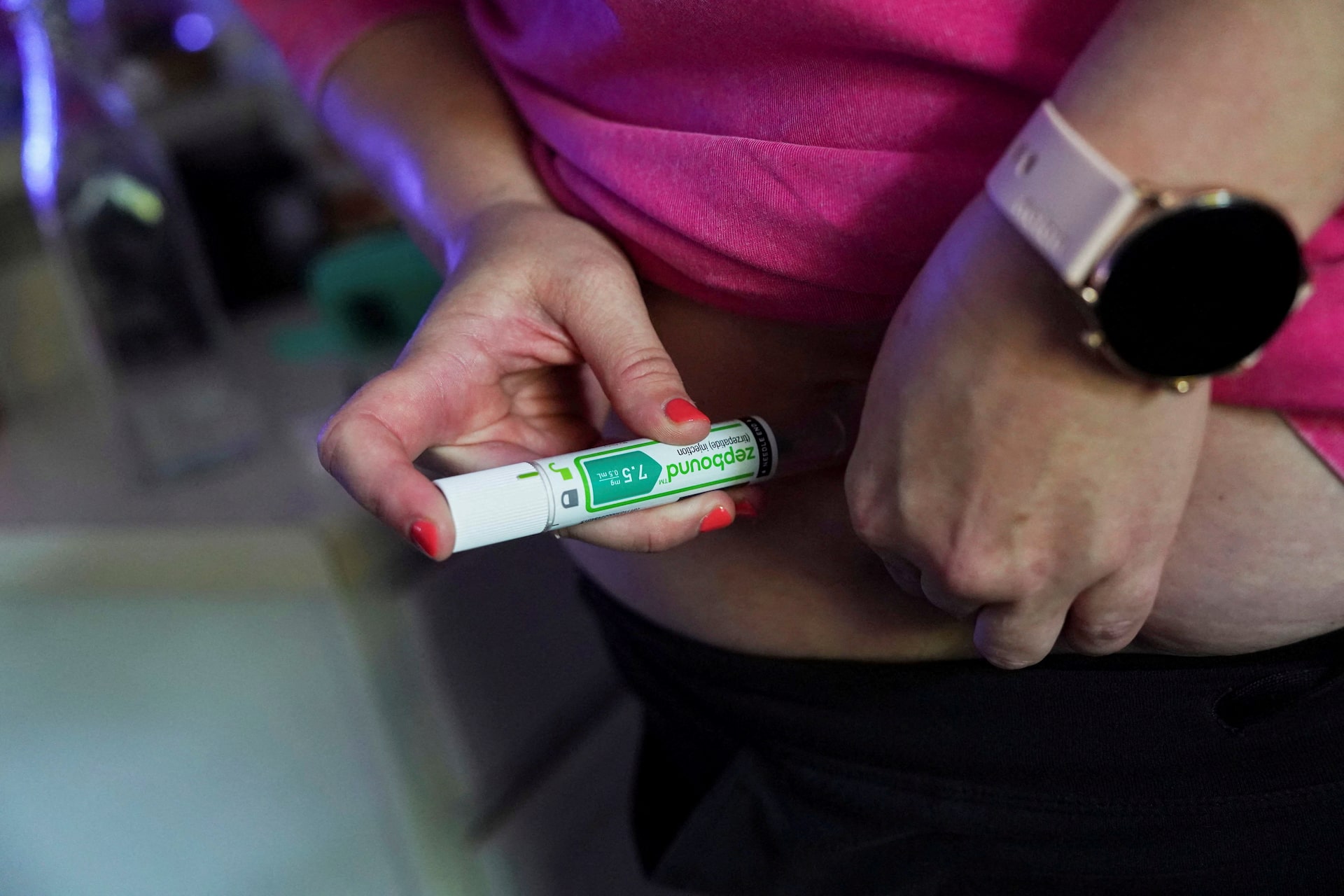
Pharmacy costs made up 25% of employers' healthcare spending and are expected to rise 12% in 2027, unchanged from the year prior [1][2]. Reuters cited list prices from manufacturer websites of $499 a month for Eli Lilly's Zepbound (tirzepatide) and $1,349.02 a month for Novo Nordisk's Wegovy (semaglutide) [1]. Reuters also named Lilly's Foundayo (orforglipron) among the GLP-1 weight-loss drugs on the market [1].
GLP-1s are not the only pressure point. Cancer was the most frequently cited condition driving employer healthcare spending, named by 70% of firms as their most acute cost driver, up from 58% in 2025 [1]. Musculoskeletal and cardiovascular conditions followed [1]. Ellen Kelsay, president of the Business Group on Health, said higher hospital costs, pharmacy costs and policy changes have all contributed [1].
"This represents an unfortunate new reality for employers, who now face growing difficulty in budgeting and forecasting," Kelsay said. "It's a call to take a more disruptive approach and rethink how to deliver value and improved health outcomes" [1].
Beyond dropping coverage outright, employers are pushing cheaper biosimilars, cutting coverage for complex or specialty drugs, and exploring alternative pharmacy arrangements, Kelsay said [1]. Employers in the survey ranged from those with fewer than 5,000 workers to those with more than 100,000 [1].
At least one large employer has already announced a change: PepsiCo is dropping coverage of weight-loss drugs for employees, according to Bloomberg News as summarized by STAT [2].
Why it matters for patients
For people who get GLP-1 medications through a job-based health plan, this survey is a signal that coverage terms may change at the next plan year. The 14% figure covers employers that have already dropped coverage as well as those that plan to in 2027, so some workers may see changes sooner than others [1].
The gap between covered and cash prices is large. Wegovy's list price of $1,349.02 a month and Zepbound's $499 a month are what manufacturers publish, not what an insured patient typically pays at the counter [1]. Losing coverage generally shifts more of that cost onto the person filling the prescription.
The survey does not break out how many of these employers are dropping coverage only for weight loss versus also for diabetes, and it does not say how many employees are affected. It also does not report whether employers dropping coverage are offering alternatives such as lifestyle programs or narrower eligibility rules. Those details are not in the sources.
One reason employers give for pulling back is that the savings they hoped for have not shown up yet in claims for obesity-related conditions [1]. That is an assessment of employer spending over a short window, not a statement about whether the drugs work for individual patients.
What happens next
The survey covers employer plans for 2027, which means most changes would take effect at the start of that plan year. Employers typically communicate benefit changes during open enrollment in the fall. Whether the 14% figure grows, and whether the 60% coverage rate falls further in 2027, is not yet known from the survey [1][2].
Images from the sources
Sources
Semaglutides.org is for information only and is not medical advice. Always talk to a licensed healthcare provider about your own care. Some links to telehealth services are affiliate links, labeled where they appear.