Review finds most-favored-nation drugmakers now hold Section 232 tariff relief, with Novo Nordisk exempt until 2029
A trade-press review finds drugmakers behind 89% of branded medicines, including Novo Nordisk and Eli Lilly, are shielded from Section 232 pharmaceutical tariffs until January 2029.
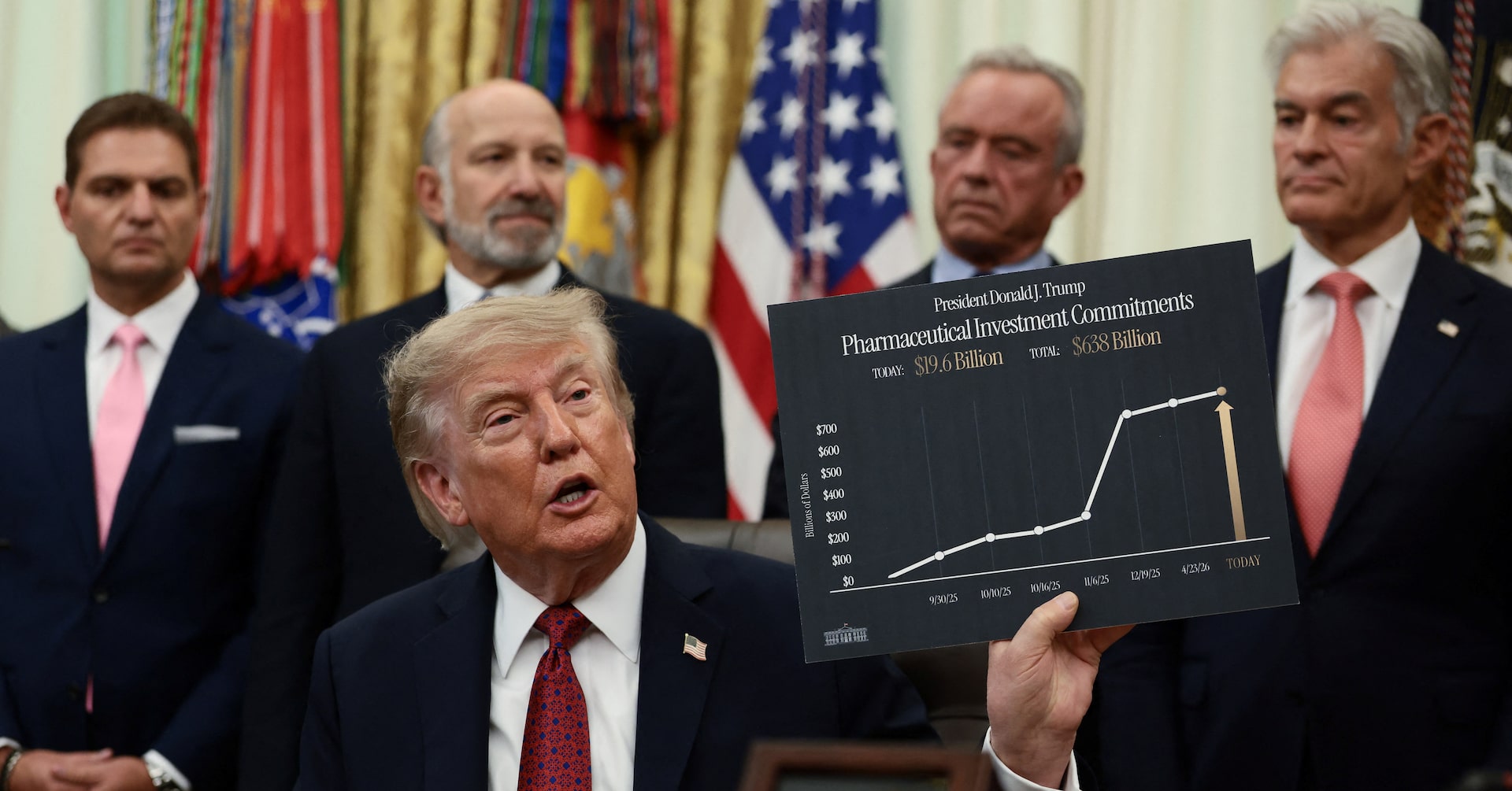
Companies that make most of the branded drugs sold in the U.S. — including the two manufacturers behind every GLP-1 medicine on the market — have secured relief from steep new pharmaceutical tariffs through the end of the current presidential term, according to a review published Sept. 11 by International Trade Today [1].
The White House has said that 89% of branded pharmaceuticals are covered by most-favored-nation (MFN) pricing deals, which is one of two conditions for avoiding Section 232 tariffs of up to 100% [1]. The trade publication's review of company press releases, financial filings and direct inquiries found that most of those firms also signed onshoring agreements with the Commerce Department, qualifying them for a zero tariff rate through Jan. 20, 2029 [1].
What the review found
Of the 26 firms with MFN agreements, at least all but five will avoid the tariffs through January 2029 [1]. For companies without protection, the duties are 15% on imports from the European Union, Japan, South Korea or Switzerland; 10% from the United Kingdom; and 100% from the rest of the world [1].
Novo Nordisk, which makes semaglutide (Ozempic, Wegovy, Rybelsus), and Eli Lilly, which makes tirzepatide (Mounjaro, Zepbound), were both named in an April White House list of 13 large manufacturers whose branded pharmaceutical exports will not face tariffs until 2029 [1]. Sanofi, AbbVie, Amgen, AstraZeneca, Bristol Myers Squibb, Boehringer Ingelheim, EMD Serono, Genentech, Gilead, Merck Sharp & Dohme and Novartis were also on that list [1].
Four other companies — GlaxoSmithKline and ViiV, Johnson & Johnson, Pfizer and Regeneron — initially had MFN deals without onshoring agreements, but each has since disclosed tariff relief running through January 2029 [1]. As a result, the review concluded, no medicines have yet been subject to Section 232 tariffs [1].
The original Section 232 proclamation said slightly more than half of patented drugs in the U.S. market are imports [1]. The administration set two start dates for the higher tariffs: July 31 for larger drug companies' products and Sept. 29 for smaller companies [1].
Why it matters for patients
Tariffs on imported medicines are a cost that manufacturers can, in principle, pass along. The review's finding is that this cost has not landed on the companies that supply GLP-1 drugs, because both Novo Nordisk and Eli Lilly hold pricing and onshoring commitments that zero out their Section 232 rate through January 2029 [1].
That does not mean prices fall. The trade-offs were made in exchange for other commitments. Reuters reported that the 17 largest drugmakers with deals, including Pfizer, Lilly and Novo Nordisk, agreed to cut some prices for federal health programs and to sell some medicines directly to patients through a Trump-branded website in return for tariff relief [2]. The biggest savings from those earlier deals have come from weight-loss drugs, with Novo and Lilly agreeing to price cuts in exchange for wider availability through Medicare [2]. CMS Administrator Mehmet Oz said Aug. 31 that 600,000 seniors had sought prescriptions through a temporary pilot that began July 1 [2].
How much any of this changes what an individual pays is not established in these sources. Reuters noted it is not clear how many drugs the newer deals cover or at what discounts, leaving savings for the government or patients unknown, and that the White House did not release details [2]. Public Citizen's Peter Maybarduk called the new deals "a distraction from the administration's failed plan to lower U.S. drug prices to the levels paid in other wealthy countries" [2]. The administration has estimated its broader drug pricing push could save $64.3 billion in federal and state spending over a decade, a figure Reuters described as speculative [2]. U.S. consumers often pay nearly three times more for prescription medicines than people in other developed nations [2].
What happens next
- Sept. 29, 2026: Under a May 13 Commerce notice, the 100% tariff on covered patented pharmaceuticals and ingredients takes effect for companies not listed in Annex III of the proclamation, subject to lower rates available for qualifying onshoring plans, MFN arrangements and certain countries [1].
- Unresolved: Alcon, Astellas, BridgeBio and Teva have not publicly disclosed information establishing a Commerce onshoring agreement or zero tariff treatment; Teva said Aug. 31 it remains in active discussions [1][2].
- Jan. 20, 2029: The disclosed tariff exemptions expire [1]. What follows is not yet known.
Images from the sources
Sources
Semaglutides.org is for information only and is not medical advice. Always talk to a licensed healthcare provider about your own care. Some links to telehealth services are affiliate links, labeled where they appear.