MedWatch reports state pushback on Novo Nordisk's most-favored-nation deal
Only Indiana has publicly joined the administration's Medicaid pricing deal on Wegovy and Zepbound, while 29 state programs have said no — so the discounted prices may not reach most low-income patients. [1][2]
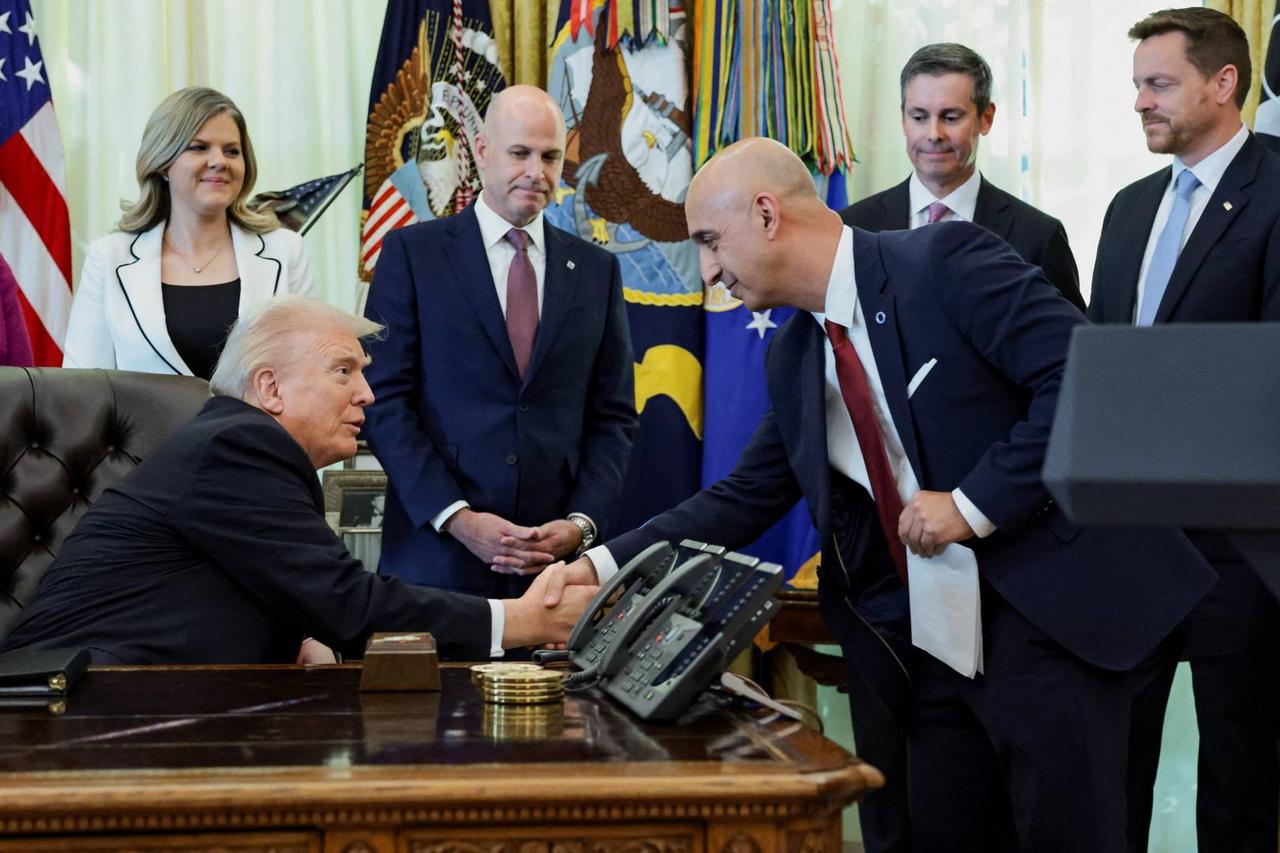
Novo Nordisk's most-favored-nation pricing agreement with the US administration was pitched as a way to put GLP-1 drugs in the hands of millions of Americans. As of September 11, 2026, trade outlet MedWatch reported that the deal is meeting resistance from US states, some of which refuse to implement it [1].
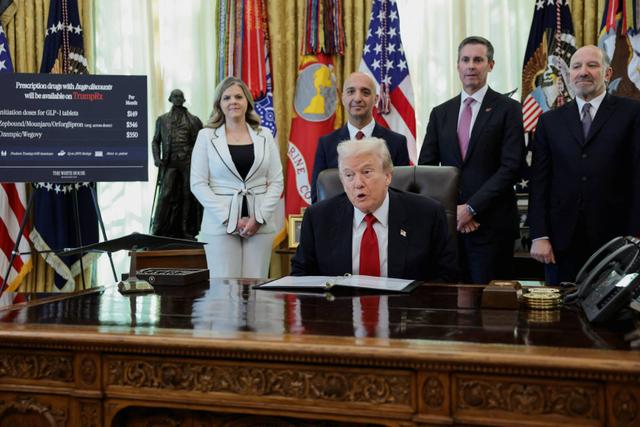
That matches earlier reporting from POLITICO. Nine months after the administration promised low-cost access for Medicaid patients with obesity, only Indiana had publicly signed on, and access had actually shrunk in several places [2].
The numbers behind the pushback
Twenty-nine state Medicaid programs told POLITICO they will not participate in the payment model, many citing cost and budget pressure. Seven — Arizona, Georgia, Michigan, Montana, Ohio, Tennessee and Virginia — said they were still deciding. The remaining 14 states did not respond, and the Centers for Medicare and Medicaid Services declined to provide a list of participating states [2].
Under the model, states are offered semaglutide (Wegovy) at $245 per monthly dose, according to Novo Nordisk, which noted that the real cost to states is likely lower once federal match rates and manufacturer rebates are counted. Indiana has said it will pay $85.16 of the $245 monthly cost per person [2].
States that said no pointed to their budgets. Florida said joining would "require new, non-budgeted spending and legislative appropriation." Oregon said it would require significant additional investment from the legislature. Hawaii and Vermont called it too costly. New Mexico said it is "not currently feasible," citing financial pressures from the One Big Beautiful Bill Act. In New Jersey and Kentucky, state law bars Medicaid from covering weight-loss drugs at all [2].
The backdrop is a coverage retreat. Twelve states currently cover the drugs for weight loss through Medicaid. Over the past year, five — California, Massachusetts, New Hampshire, Pennsylvania and South Carolina — ended that coverage, and Rhode Island will end it in October. California stopped at the start of 2026 after projecting costs would nearly quadruple to $800 million by 2028-29 [2].
Medicaid spending on GLP-1s grew from $1 billion in 2019 to almost $9 billion in 2024. Roughly 70 million people rely on the program, and nearly 40 percent of patients with obesity might qualify if coverage were offered. States must cover GLP-1s for conditions such as diabetes and heart disease, but not for weight loss alone [2].
Why it matters for patients
A signed federal agreement is not the same thing as coverage where you live. For Medicaid enrollees in the 29 states that declined, the announced prices do not translate into a filled prescription for weight loss. In most states without coverage, enrollees can buy through the administration's discount platform, TrumpRx, at around $350 a month on average — a price POLITICO reported is still out of reach for most low-income Americans [2].
Where states do join, the terms are standardized. The model requires coverage criteria including a body mass index of 35 or higher; for a person who is 5'10", that works out to about 244 pounds. CMS would have to approve any variations or stricter rules. The model also includes lifestyle support such as nutrition and fitness counseling [2].
Some states that already cover the drugs, including Minnesota and Missouri, are staying out. Johanna Butler of The National Academy for State Health Policy said states may believe their own negotiated net prices are better than the federal terms, and may want to keep the autonomy to set coverage rules themselves [2].
For Novo Nordisk, the financial stakes of the arrangement appear limited in the near term: the company has said it expects only a slight sales hit from the deal in 2026 [1].
What happens next
Rhode Island's Medicaid coverage for weight loss ends in October [2]. Indiana plans to begin offering the drugs by the start of next year [2]. Michigan said it applied, was meeting with CMS in late August, and would expand coverage effective January 1 if it and CMS reach agreement [2].
Beyond that, Butler expects most states to take a "wait-and-see" approach, watching Indiana's Medicaid budget as federal cuts take effect over the next one to three years [2]. How many additional states join, and on what terms, has not been disclosed.
Images from the sources
Sources
Semaglutides.org is for information only and is not medical advice. Always talk to a licensed healthcare provider about your own care. Some links to telehealth services are affiliate links, labeled where they appear.