Novo Nordisk files once-weekly semaglutide with the FDA for type 2 diabetes
Novo Nordisk asked the FDA on December 5, 2016, to approve once-weekly semaglutide injections for type 2 diabetes, a filing built on the SUSTAIN trial program that later led to Ozempic's approval a year later.[1]
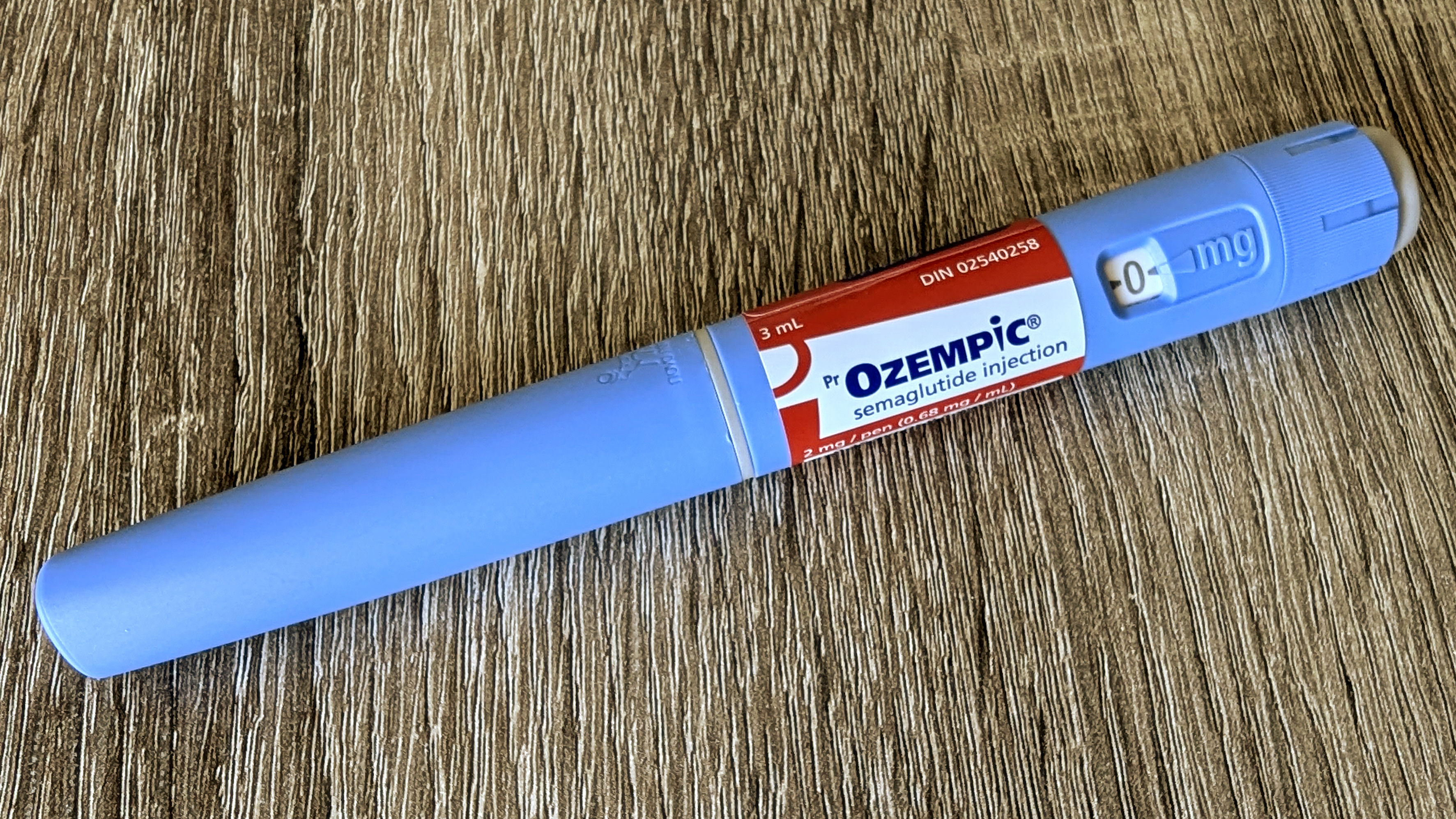
Novo Nordisk submitted a New Drug Application to the U.S. Food and Drug Administration on December 5, 2016, seeking approval of once-weekly injectable semaglutide for adults with type 2 diabetes.[1] The filing marked the formal start of the FDA's review process for what would become the drug marketed as Ozempic.
The application rested on the SUSTAIN phase 3 clinical program, which compared semaglutide against both placebo and other diabetes medicines in adults with type 2 diabetes.[1] Semaglutide belongs to a class of drugs called GLP-1 receptor agonists. It works by copying a naturally occurring hormone, glucagon-like peptide-1, that binds to and activates the GLP-1 receptor. When blood sugar is high, this action stimulates insulin release and reduces the release of glucagon, a hormone that raises blood sugar.[1]
The FDA's review moved through its standard steps over the following year. On October 18, 2017, an FDA advisory committee voted 16 to 0 in favor of approval.[1] The agency granted full approval on December 5, 2017, exactly one year after the filing, clearing once-weekly Ozempic injections for adults with type 2 diabetes as an addition to diet and exercise.[1] The approved injection pens were designed to deliver doses of 0.25 mg, 0.5 mg, 1 mg, or 2 mg, depending on the pen used.[1]
Semaglutide's pharmacology helps explain the once-weekly dosing. The molecule has an elimination half-life of about seven days when injected under the skin, with roughly 89% bioavailability by that route.[2] That long half-life is why patients take an injection only once a week rather than daily.
Ozempic's approval in 2017 was only the first step in a much longer expansion of semaglutide across brands and uses. The FDA later approved Ozempic to cut the risk of major cardiovascular events in adults with type 2 diabetes and established heart disease, in January 2020.[1] Novo Nordisk also brought semaglutide to market in pill form as Rybelsus in September 2019, and as the weight-loss injection Wegovy in June 2021.[1] A higher, 2 mg dose of Ozempic followed in March 2022 for added glycemic control, and in January 2025 the FDA approved Ozempic to reduce the risk of worsening kidney disease and cardiovascular death in adults with type 2 diabetes and chronic kidney disease.[1]
Why it matters for patients
This 2016 filing was the regulatory starting point for a drug that has since reshaped care for both type 2 diabetes and obesity in the United States. For patients with type 2 diabetes, the SUSTAIN trials that supported the filing tested semaglutide's blood sugar control against both placebo and existing diabetes drugs, giving early evidence of how it might compare to other treatment options.[1]
The unanimous advisory committee vote and the FDA's approval a year after filing meant patients gained access to a once-weekly injectable option rather than medicines requiring daily dosing.[1] That difference in dosing frequency can matter for people managing a chronic condition long-term. The drug's seven-day half-life is the pharmacological reason a once-weekly schedule was possible in the first place.[2]
The sources reviewed here do not detail the specific efficacy numbers from the SUSTAIN trials, such as how much semaglutide lowered blood sugar compared with other drugs. That level of detail is not available in these sources.
What happens next
After the December 5, 2016 filing, the FDA's advisory committee reviewed the application and voted 16-0 in favor of approval on October 18, 2017.[1] Full FDA approval followed on December 5, 2017.[1] Later regulatory milestones for semaglutide, including cardiovascular and kidney disease indications and new brands like Rybelsus and Wegovy, followed in subsequent years as Novo Nordisk expanded the drug's approved uses.[1]
Images from the sources
Sources
Semaglutides.org is for information only and is not medical advice. Always talk to a licensed healthcare provider about your own care. Some links to telehealth services are affiliate links, labeled where they appear.