David Ricks becomes chief executive of Eli Lilly
Eli Lilly named 25-year company veteran David Ricks as chief executive in 2017, the same year the first human data on tirzepatide — now sold as Mounjaro and Zepbound — landed on his desk.
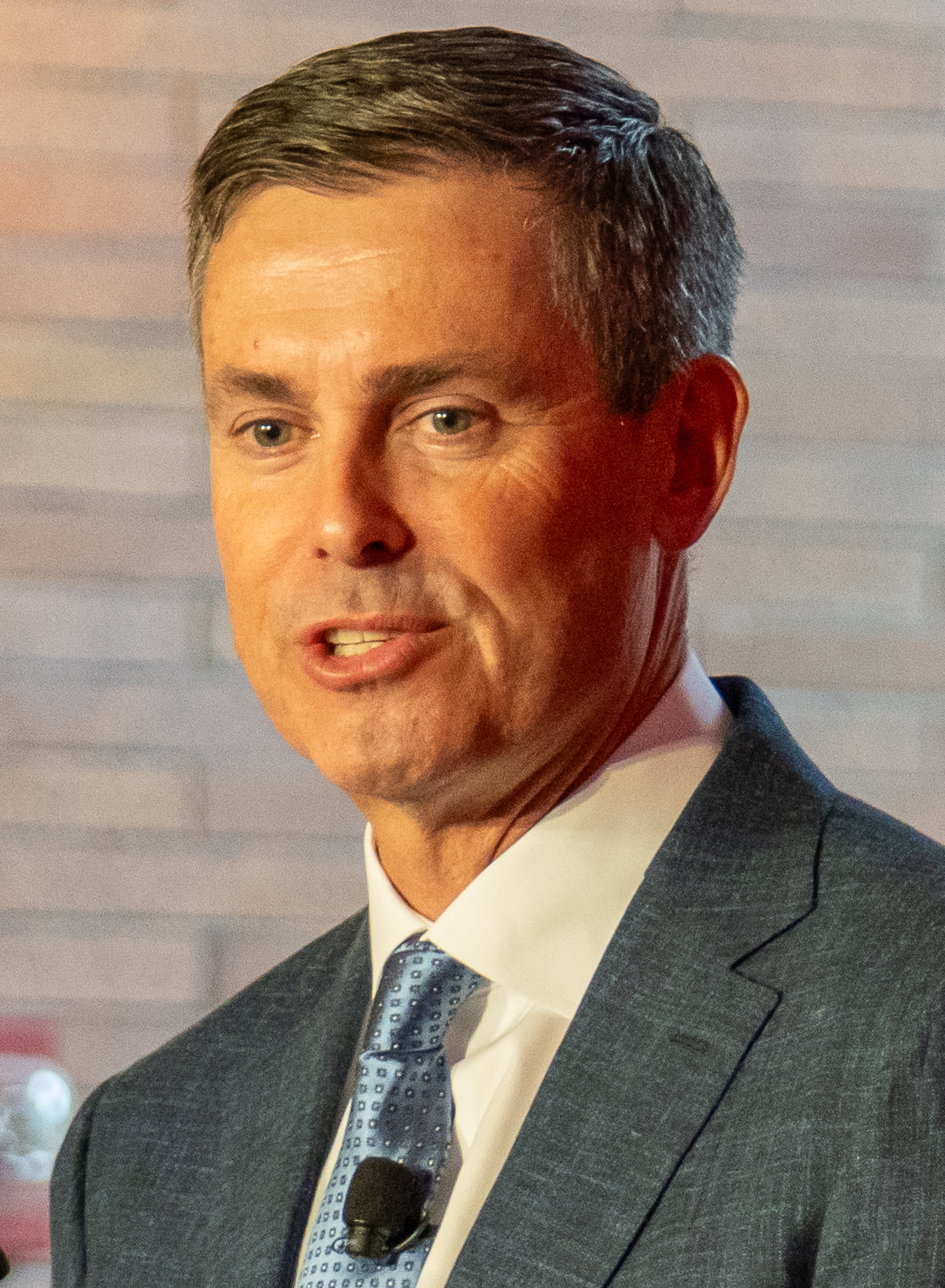
Eli Lilly installed David A. Ricks as chairman and chief executive in 2017, handing the Indianapolis drugmaker's top job to a longtime insider at a moment when the company was worth roughly $93 billion [1][3]. It was also the year Lilly received the first-in-human results for tirzepatide, the molecule that would later be sold as Mounjaro for type 2 diabetes and Zepbound for obesity [2].
Ricks was born in 1967, graduated from Purdue University in 1990 with a bachelor of science, and earned an MBA from Indiana University's Kelley School of Business in 1996 [1]. Sources differ slightly on his start date: Wikipedia says he assumed the chair and CEO roles in 2017, while BioPharma Dive describes him as "Lilly's CEO since 2016" [1][2]. Details of his earlier assignments running Lilly's Canadian, Chinese and U.S. businesses are not covered in the sources available here.
The tirzepatide moment
Speaking at the J.P. Morgan Healthcare Conference in 2024, Ricks recalled the phone call from Dan Skovronsky, Lilly's chief scientific and medical officer, when the early tirzepatide data came in during 2017. "I remember Dan called me that day when he saw the data," Ricks told investors. "People ask, 'When did you know tirzepatide was going to be big?' The answer is that day" [2].
The numbers since then are stark. Lilly's end-of-year market value was $81.19 billion in 2016 and $92.99 billion in 2017 [3]. Shares traded under $100 as recently as 2018 [2]. On Nov. 21, 2025, Lilly briefly became the first drugmaker to reach $1 trillion in market value — more than double that of Johnson & Johnson, its closest peer in the industry [2]. Its end-of-2025 market capitalization was $966.15 billion [3].
That rise was driven by the two tirzepatide products. Zepbound can help people lose about one-fifth of their body weight, and Mounjaro helps four in five people with uncontrolled blood sugar bring it into a healthy range, according to BioPharma Dive [2]. Combined Zepbound and Mounjaro sales reached nearly $19 billion in the first nine months of 2025, passing Merck's cancer drug Keytruda to become the world's best-selling medicine [2]. Wall Street analysts expect the broader market to hit $100 billion in annual sales by 2030 [2].
Ricks's compensation package for 2024 was $29.2 million [1].
Why it matters for patients
Leadership decisions made in 2017 shaped what is on pharmacy shelves today. The choice to push tirzepatide forward gave U.S. patients a second major GLP-1 option alongside Novo Nordisk's semaglutide products, Ozempic, Wegovy and Rybelsus.
The flip side of that success has been strain. Demand for GLP-1 drugs outpaced what Lilly and Novo Nordisk could make, leading to shortages and creating an opening that compounding pharmacies exploited [2]. Lilly has responded with what it calls the largest investment in synthetic drug production in U.S. history, and Novo has also poured billions into manufacturing [2]. For people filling prescriptions, supply and manufacturing capacity are not abstract corporate topics — they determine whether a pharmacy has the dose in stock.
Cost is the other pressure point. The popularity of these drugs has drawn scrutiny from lawmakers over what they cost the U.S. health system [2]. In November 2025, Lilly and Novo Nordisk agreed to deals with the Trump administration to lower prices, though BioPharma Dive notes that questions remain about the actual impact of those agreements [2]. How much any individual patient's out-of-pocket cost changes is not established in these sources.
What happens next
Several other companies are now chasing better GLP-1 drugs through their own programs or acquisitions, and Novo Nordisk has won approvals for semaglutide in additional conditions, including cardiovascular risk reduction and the liver disease MASH [2]. Tirzepatide is also being studied in heart failure and kidney disease [2]. Whether those studies change how the drugs are prescribed or covered is not yet known from these sources.
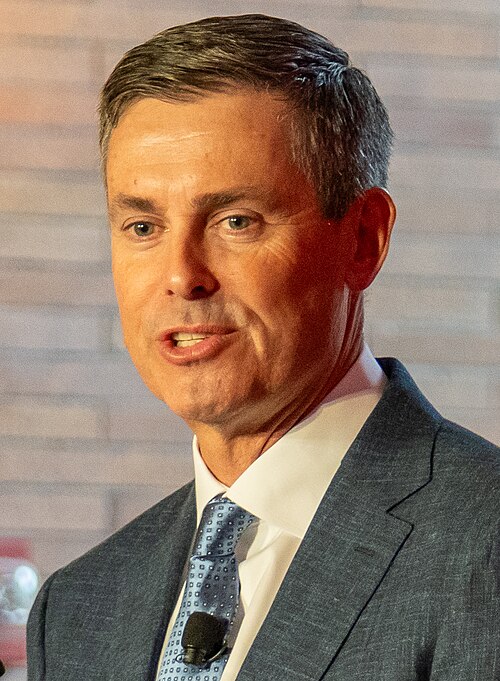
Images from the sources
Sources
Semaglutides.org is for information only and is not medical advice. Always talk to a licensed healthcare provider about your own care. Some links to telehealth services are affiliate links, labeled where they appear.