Novo Nordisk launches the Ozempic jingle, remaking a 1974 pop hit
Novo Nordisk's 2018 TV ad turned the 1970s song 'Magic' into an Ozempic jingle, an early marketing move in the campaign that helped push the drug toward blockbuster sales.
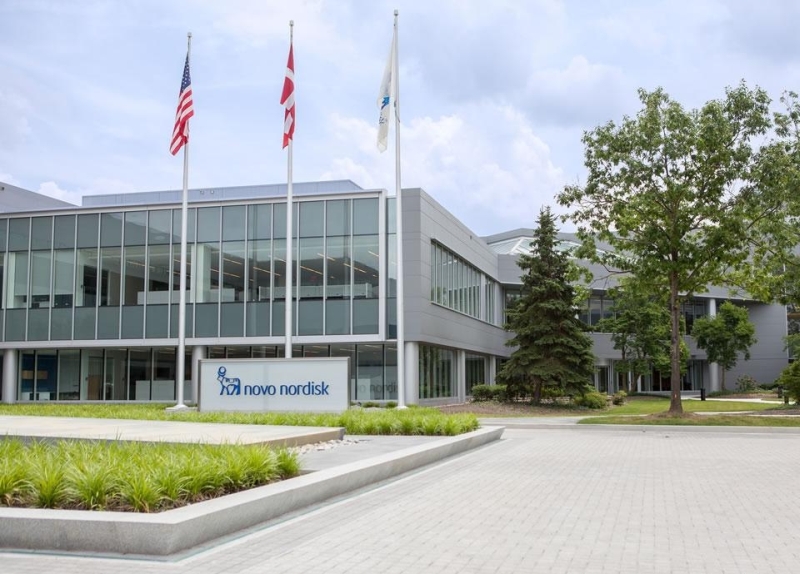
Novo Nordisk aired its first television ad for Ozempic on Aug. 1, 2018, a 90-second spot built around a rewritten version of the 1974 pop song "Magic" by the band Pilot [1]. The original hook, "Oh, oh, oh, it's magic," became "Oh, oh, oh, Ozempic," repeated several times through the commercial [1].
In the ad, patients say "Oh!" in response to facts about the drug, including that average weight loss in a recent study reached up to 12 pounds and that Ozempic showed no increased risk of major cardiovascular events [1]. At the time, Ozempic was a once-weekly injection approved in December 2017 to treat type 2 diabetes, and Novo Nordisk was also developing a daily pill version of the drug [1].
The ad launched into a crowded market. Ozempic was competing against Eli Lilly's Trulicity, which then held about 40% of the market, and against Novo Nordisk's own older drug, Victoza, a shorter-acting version of the same type of medicine [1]. Analysts at the time believed Ozempic was headed for blockbuster status because of its weight-loss and cardiovascular data, its placement on pharmacy benefit manager formularies, potential sales in China, and positive feedback from doctors [1]. The market research firm Evaluate projected Ozempic sales topping $2.2 billion by 2022 [1].
The jingle went on to become one of the most recognized pieces of pharmaceutical advertising in the country, a claim reflected in later cultural coverage of the campaign, though the specific details of that later coverage are not available in the sources reviewed for this article.
Why it matters for patients
The Ozempic jingle is a marketing story, not a medical one, but it shaped how millions of Americans first heard about the drug. A catchy ad campaign helped make Ozempic a household name years before it became widely known as a weight-loss treatment, a use for which the same drug, sold as Wegovy, later received separate approval. For patients, that history is a reminder that a drug's public image can be built well ahead of, or separate from, how doctors ultimately prescribe it.
The ad itself focused on data available in 2018: an average weight loss of up to 12 pounds in a study and no added cardiovascular risk [1]. Those figures describe outcomes in the trial referenced in the commercial and are not a promise of results for any individual patient. Advertising claims, even when based on real trial data, describe averages across study groups, not what any one person taking the drug will experience.
The commercial also arrived during a period of heavy competition among GLP-1 drugs for type 2 diabetes, including Trulicity and Victoza [1]. That competitive pressure was part of why Novo Nordisk invested in a national ad campaign for a drug that had only been approved a few months earlier [1]. Understanding that context can help patients separate a drug's marketing push from the clinical evidence behind it, and recognize that brand recognition built through advertising is different from data on how a medicine performs for a specific person.
What happens next
The sources reviewed here describe events and figures from 2018, at the time of Ozempic's first TV campcampaign. Later reporting referenced in this article, including coverage of the jingle's cultural staying power, was not available in full text for this piece, so specific claims from that coverage cannot be confirmed here. What is documented is that Novo Nordisk framed the 2018 launch as building toward blockbuster sales, with one market research estimate putting Ozempic sales above $2.2 billion by 2022 [1]. Whether the ad campaign contributed to any later sales figures, or how the drug's marketing evolved after 2018, is not addressed in the available sources.
Sources
Semaglutides.org is for information only and is not medical advice. Always talk to a licensed healthcare provider about your own care. Some links to telehealth services are affiliate links, labeled where they appear.