Novo Nordisk buys Corvidia Therapeutics, acquiring ziltivekimab
Novo Nordisk paid up to $2.1 billion in 2020 for a heart-and-kidney drug called ziltivekimab, which failed its main late-stage trial six years later, a reminder that even large pharma bets on new drug classes do not always pay off.
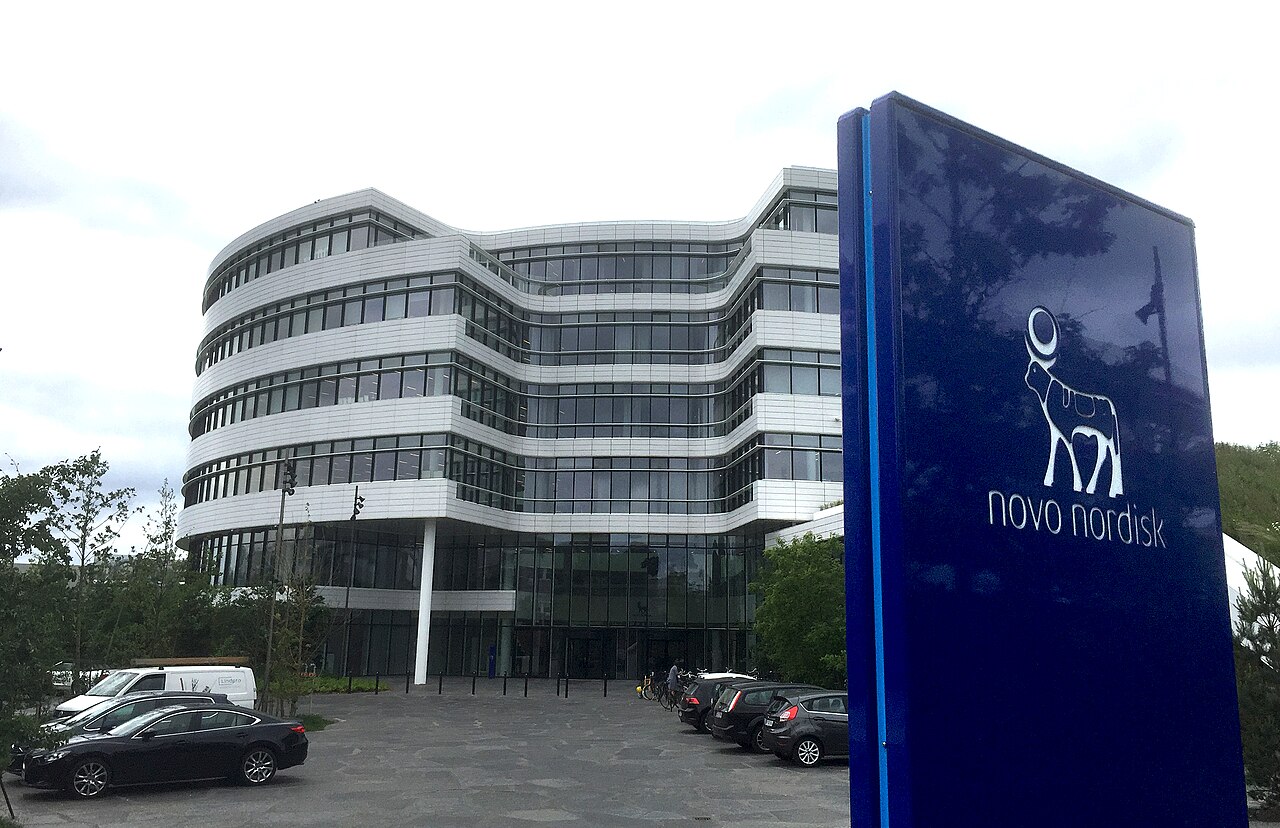
In June 2020, Novo Nordisk agreed to acquire Corvidia Therapeutics, a company spun off from AstraZeneca, paying $725 million upfront with additional milestone payments that could bring the total deal value to as much as $2.1 billion [1]. The acquisition gave Novo Nordisk rights to ziltivekimab, an antibody designed to block interleukin-6, a protein linked to inflammation. Six years after the deal closed, ziltivekimab failed to meet its main goal in a large cardiovascular outcomes trial [1].
Novo Nordisk is best known to American patients for diabetes and obesity drugs, including Ozempic and Wegovy, both forms of semaglutide [1]. The company, headquartered in Bagsværd, Denmark, is the world's largest insulin maker and reported net sales of $42.121 billion in 2024 [1]. Its purchase of Corvidia was part of a broader strategy to expand beyond insulin and GLP-1 medicines into other chronic disease areas, including inflammation tied to heart and kidney disease.
The available source material does not spell out the exact design of the cardiovascular outcomes trial, how many patients were enrolled, or the precise reasons the drug did not meet its endpoint. Those specifics are not yet known from what has been reported here. What is documented is the basic outcome: a drug that Novo Nordisk paid up to $2.1 billion to acquire did not succeed in its central late-stage study [1].
Why it matters for patients
Ziltivekimab was never approved and never reached pharmacy shelves, so this development does not change what is available to patients today. No one taking Ozempic, Wegovy, Rybelsus, Mounjaro, Zepbound, or Foundayo is affected by this drug's trial outcome, since ziltivekimab is a separate molecule aimed at inflammation rather than blood sugar or weight [1].
The story is still useful for patients to understand how drug companies operate. Large pharmaceutical companies routinely place bets on experimental treatments years before they know whether those treatments will work. Some of those bets, like semaglutide, turn into blockbuster products used by millions of Americans. Others, like ziltivekimab, do not clear the final hurdle of a major clinical trial, even after hundreds of millions of dollars in upfront investment [1].
For patients who follow news about Novo Nordisk because they take one of its diabetes or obesity drugs, this history is a reminder that a single company's pipeline includes many projects outside the medicines patients actually use. A setback in one experimental drug, such as ziltivekimab, does not signal anything about the safety or effectiveness of approved products like Ozempic or Wegovy, which have gone through their own separate trials and regulatory reviews.
What happens next
The source material reviewed here does not describe whether Novo Nordisk plans further trials of ziltivekimab in different patient groups, whether the company will pursue other uses for the drug, or how the failed trial affects the company's broader research spending. Those details are not yet known from the information available. Patients interested in Novo Nordisk's current lineup of approved treatments can look to established products like Ozempic, Wegovy, and Rybelsus, all of which remain unaffected by this particular trial result [1].
Sources
Semaglutides.org is for information only and is not medical advice. Always talk to a licensed healthcare provider about your own care. Some links to telehealth services are affiliate links, labeled where they appear.