Chugai and Lilly publish how orforglipron activates the human GLP-1 receptor
Scientists at Lilly and Chugai showed a swallowable, non-injected molecule could switch on the GLP-1 receptor as well as an injected peptide drug, a step that underlies today's oral obesity and diabetes pill orforglipron.
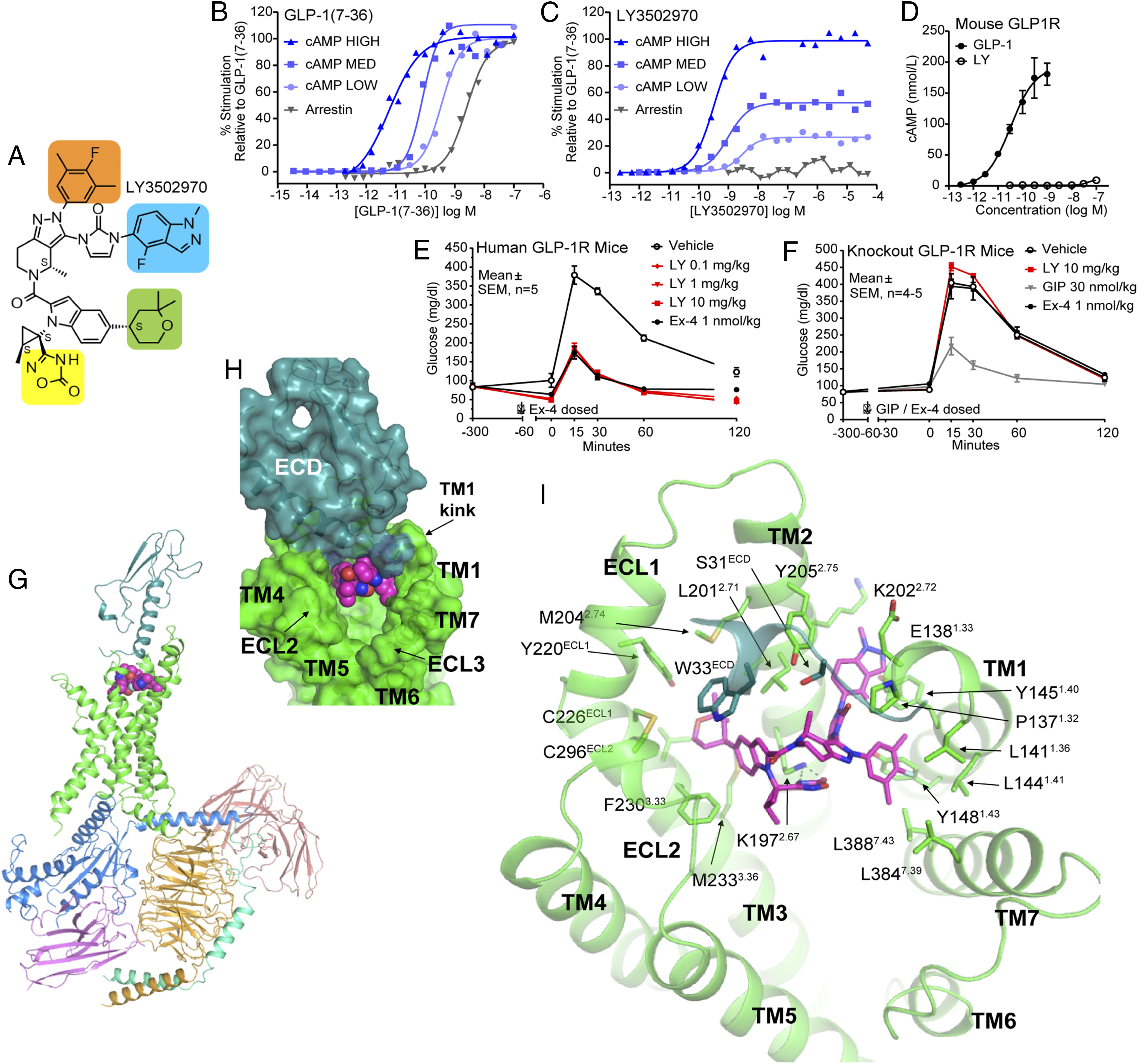
In November 2020, researchers from Lilly and Chugai published a paper in the Proceedings of the National Academy of Sciences describing how a small molecule called LY3502970 activates the human GLP-1 receptor [1]. The compound, also known as OWL833, is now sold under development as orforglipron, or Foundayo. The paper mattered because every approved GLP-1 receptor agonist before it — exenatide, liraglutide, dulaglutide, and semaglutide — was a peptide, a large molecule that normally has to be injected [1].
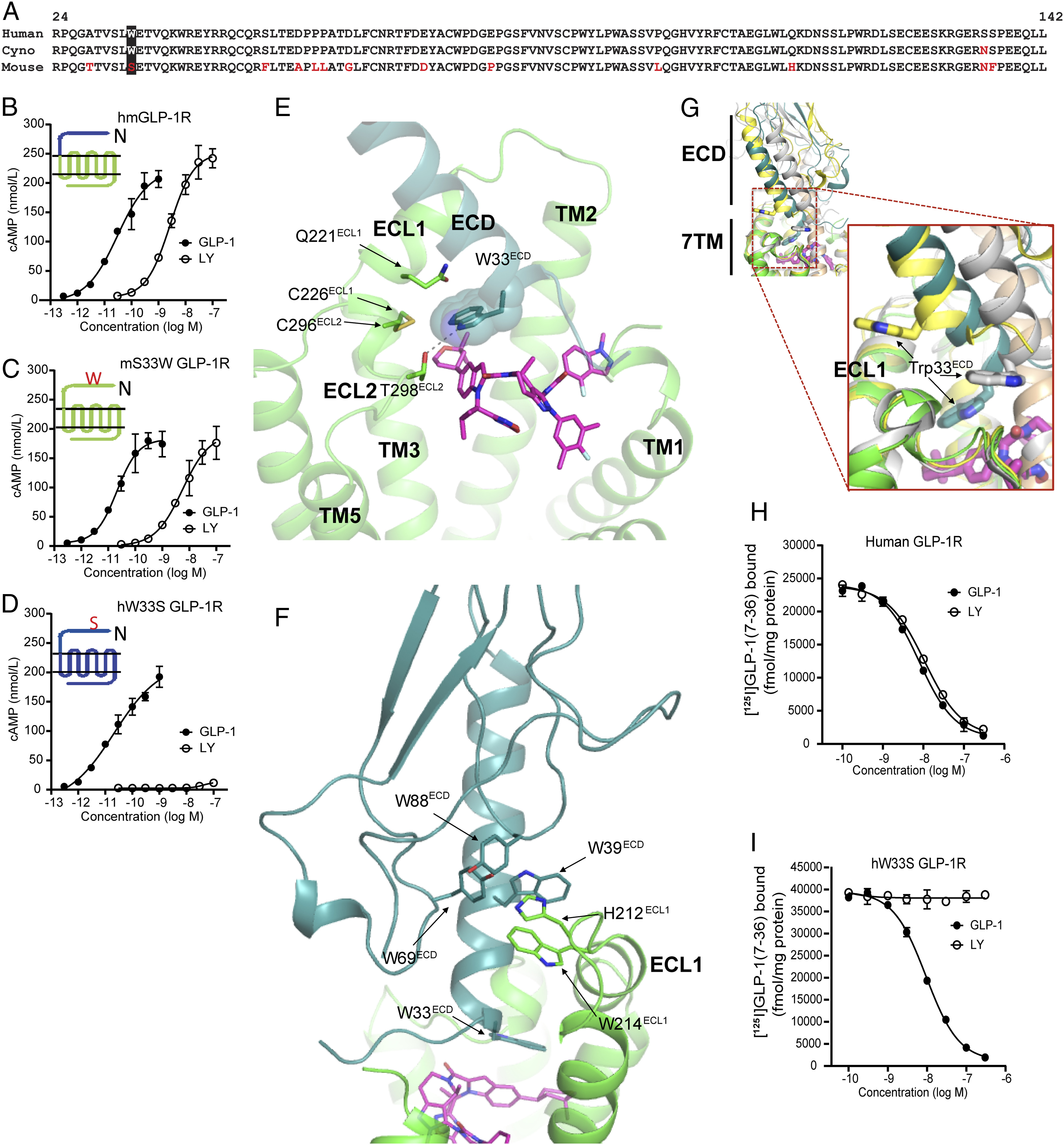
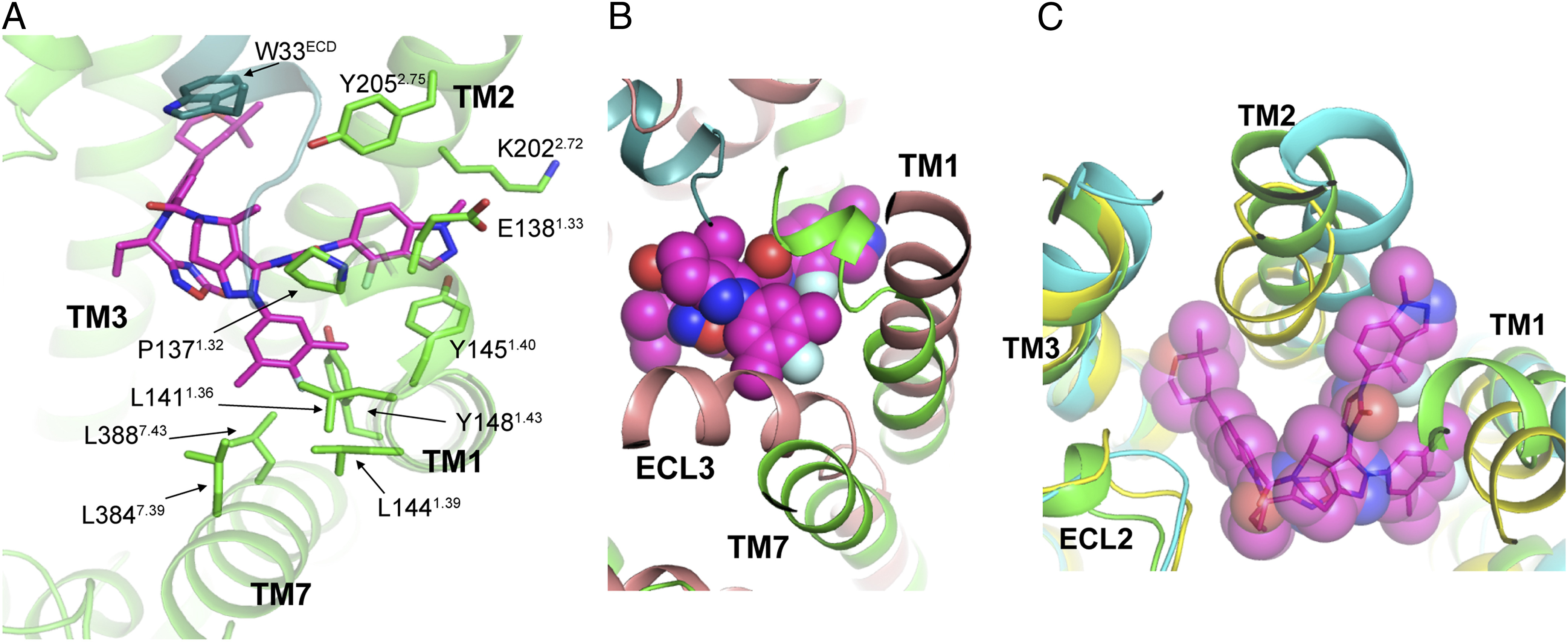
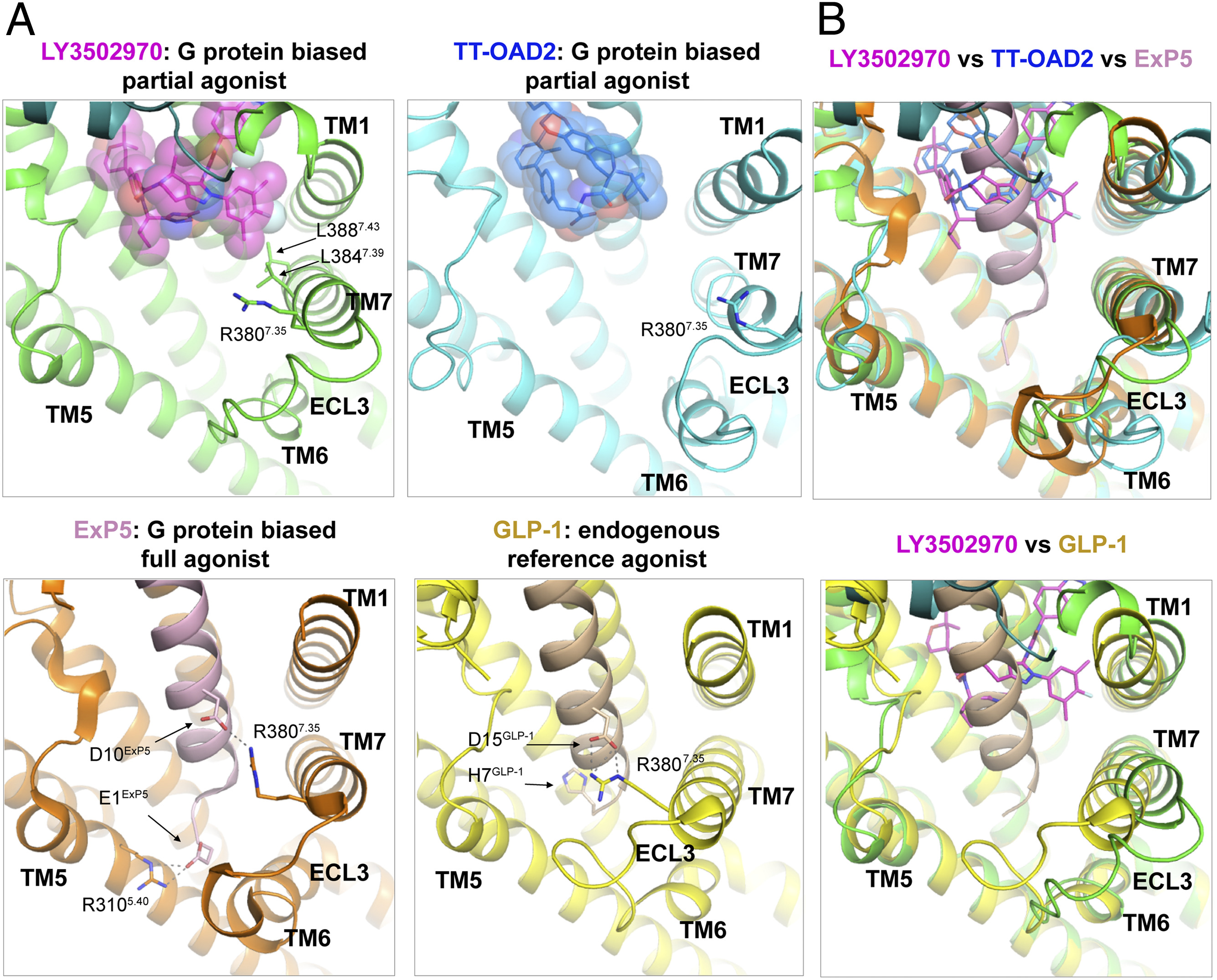
The study reported that LY3502970 is a partial agonist that leans toward activating the G protein pathway rather than recruiting a protein called β-arrestin, a signaling pattern some researchers think could favor glucose lowering and weight loss [1]. Using cryo-electron microscopy, the team mapped a binding pocket in the upper part of the receptor formed by the extracellular domain, a loop, and four transmembrane helices — a different location than where the natural hormone binds [1]. That pocket also explained why the drug works on the human receptor but not on mice: a single amino acid found only in primates, tryptophan 33, was required for activity [1].
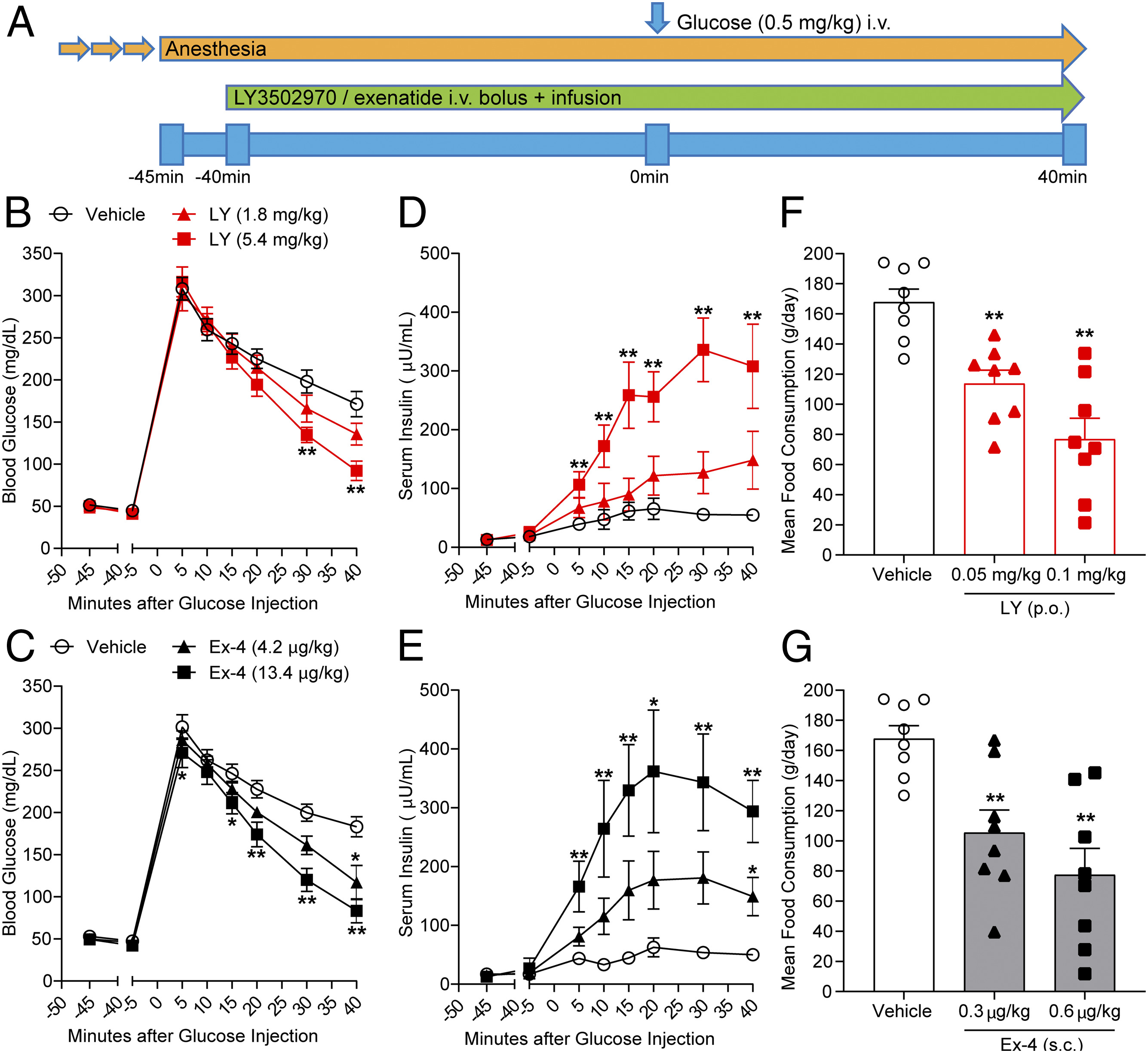
In lab tests, the compound had no measurable activity on mouse GLP-1 receptors or on other class B receptors, so the team tested it in mice genetically engineered to carry the human receptor [1]. Given orally at doses from 0.1 to 10 milligrams per kilogram, the compound lowered blood glucose after a glucose challenge as effectively as exenatide, the peptide drug sold as Byetta and Bydureon, which had to be injected under the skin for the comparison [1]. The paper also noted effects on insulin release and reduced food intake in nonhuman primates, again similar in size to injected exenatide [1].
The researchers contrasted this with oral semaglutide, sold as Rybelsus, which reaches the bloodstream at less than 1% bioavailability and requires a strict routine: an overnight fast, a small amount of water, and a wait of at least 30 minutes before eating or taking other medicine [1]. Earlier attempts at small-molecule GLP-1 receptor agonists, including several chemical families tested by other labs, had not reached potency or drug-like properties close to peptide drugs, leading many researchers to think a small molecule simply could not make enough contact with the receptor to work well [1]. This paper reported evidence against that assumption [1].
Why it matters for patients
This 2020 paper was basic science, not a clinical trial in people, and it does not by itself tell patients anything about dosing, side effects, or how well orforglipron works in humans. What it shows is the underlying reason a pill form of a GLP-1 drug without the restrictive fasting rules of Rybelsus became conceivable [1]. For someone comparing Ozempic, Wegovy, Rybelsus, Mounjaro, or Zepbound with a future non-peptide pill, the distinction matters because dosing convenience and manufacturing cost for small molecules can differ substantially from injectable or peptide-based oral drugs [1].
What happens next
The sources here are limited to this one 2020 structural paper and do not include later clinical trial results, regulatory filings, or approval dates for orforglipron. Readers wanting to know how the drug performed in human trials, its side effect profile, or its regulatory status will need information not contained in this paper [1].
Images from the sources
Sources
Semaglutides.org is for information only and is not medical advice. Always talk to a licensed healthcare provider about your own care. Some links to telehealth services are affiliate links, labeled where they appear.