Novo Nordisk agrees to buy Dicerna Pharmaceuticals for $3.3 billion
Novo Nordisk, the maker of Ozempic and Wegovy, agreed on November 18, 2021 to buy RNA interference company Dicerna Pharmaceuticals for $3.3 billion, its biggest deal yet, though the pipeline rationale isn't detailed in available sourcing.
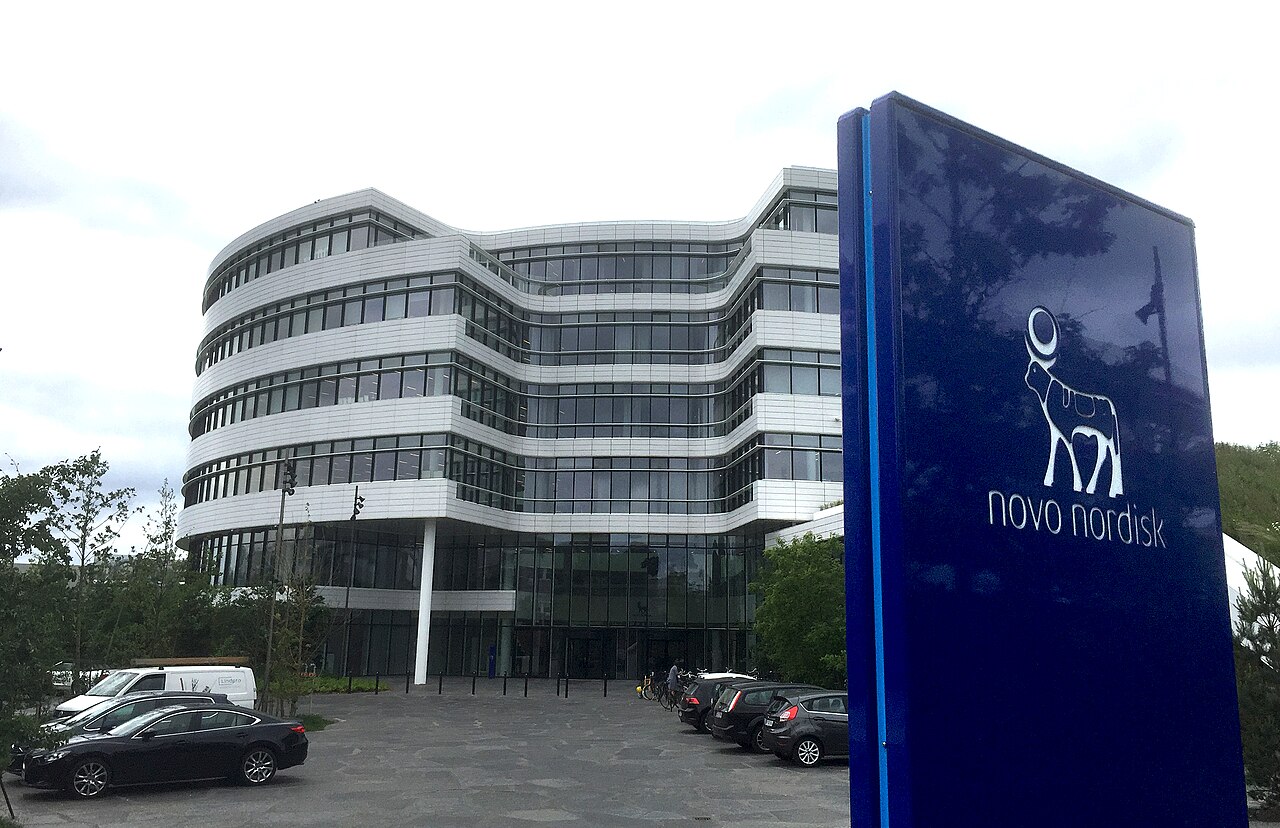
Novo Nordisk, the Danish company behind the GLP-1 medicines Ozempic and Wegovy (semaglutide), agreed on November 18, 2021 to acquire Dicerna Pharmaceuticals, a company that works on RNA interference (RNAi) technology, for $3.3 billion. The deal valued Dicerna at $38.25 per share and marked the largest acquisition in Novo Nordisk's history up to that point, according to the announcement summarized here.
Novo Nordisk is a large, long-established pharmaceutical company. It traces its roots to two Danish firms founded in the 1920s, Novo Terapeutisk Laboratorium and Nordisk Insulinlaboratorium, which merged in 1989 to form the company as it exists today [1]. The company is headquartered in Bagsværd, Denmark, and as of recent company records employs tens of thousands of people and markets products in more than 160 countries [1]. Its product lineup includes insulin brands such as NovoRapid and Tresiba, along with the GLP-1 medicines Ozempic, Wegovy, Saxenda, and Victoza [1].
The source material provided does not include specific details about Dicerna's RNA interference technology, which drugs or disease areas it was working on, or Novo Nordisk's stated reasons for pursuing the acquisition. Those specifics are not covered in the available sourcing, so they cannot be reported here with confidence. What is documented is the basic shape of the transaction: the price per share, the total deal value, and that it was described as Novo Nordisk's biggest purchase to date.
Novo Nordisk has a long history of company mergers and acquisitions dating back nearly a century, including its own formation through a merger and later corporate moves such as the 1991 spin-off of what became NNE A/S [1]. The Dicerna purchase fits into that broader pattern of the company using acquisitions to grow, though the sources here do not spell out how this particular deal was expected to change Novo Nordisk's drug pipeline or business strategy.
Why it matters for patients
This is a corporate business deal, not a change to any medicine currently on pharmacy shelves. Patients taking Ozempic, Wegovy, or other Novo Nordisk products should not expect any immediate effect on their prescriptions, dosing, availability, or price because of this acquisition alone.
Over the longer term, acquisitions like this one can shape what a drugmaker researches and eventually brings to market. Novo Nordisk is best known to patients for its diabetes and obesity medicines, and its revenue and scale give a sense of how large a company is now involved in decisions about drug development and supply [1]. But whether an RNA interference platform like Dicerna's would ever lead to new treatments patients actually take, and on what timeline, is not addressed in the available sourcing.
For people already using GLP-1 medications, the practical takeaway is limited: this deal is about the company's business strategy and future research directions, not about today's supply, safety, or cost of Ozempic, Wegovy, or other current products.
What happens next
The available sourcing does not include information on regulatory approval timelines, closing dates, or how the acquisition may have affected Novo Nordisk's later research programs. Those details are not yet known from the sources reviewed for this story.
Sources
Semaglutides.org is for information only and is not medical advice. Always talk to a licensed healthcare provider about your own care. Some links to telehealth services are affiliate links, labeled where they appear.