Ozempic goes viral as a weight-loss shortcut on social media
Ozempic became a household name in late 2022 as social media pushed semaglutide into the spotlight for cosmetic weight loss, but the drug remained prescription-only and hard to find.
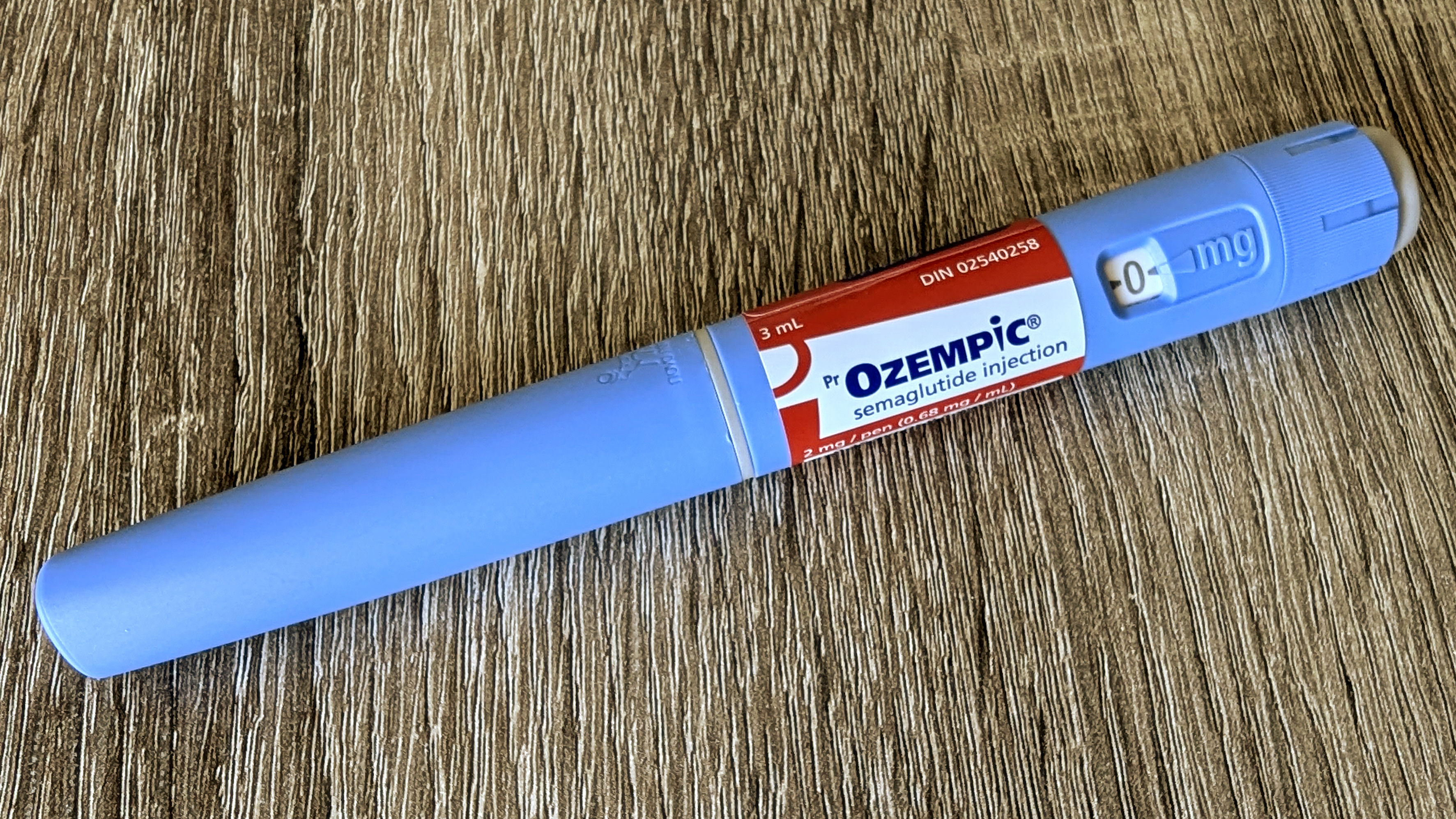
Through the fall of 2022, Ozempic moved from a diabetes drug brand known mainly to doctors and patients into a mainstream cultural reference, driven by TikTok videos, celebrity speculation and news coverage of off-label use for cosmetic weight loss. The attention created demand that the supply chain could not meet.
The drug at the center of that moment is semaglutide, which is sold under the brand names Ozempic, Rybelsus and Wegovy, among others [1]. That single fact explains much of the confusion that spread online: people talking about "Ozempic" for weight loss and people talking about Wegovy were often describing the same active ingredient under different brand names, approved and marketed for different purposes.
What semaglutide actually is
Semaglutide is classified as an anti-diabetic and anti-obesity medication [1]. It is given either as a subcutaneous injection or by mouth, depending on the product [1]. Injected semaglutide has a bioavailability of about 89%, while the oral form is absorbed at roughly 1% to 2% [1]. Its elimination half-life is about seven days, which is why the injectable versions are long-acting rather than daily [1].
Semaglutide is prescription-only in the United States, and also in Canada, the United Kingdom, Australia and the European Union [1]. Viral popularity did not change that legal status. Anyone obtaining it still needed a prescriber, and products sold outside that system were not the FDA-regulated medicine described on the label.
It is worth being clear about the limits of what can be documented here. The detailed record of this cultural moment \u2014 specific view counts, named celebrities, prescription volume data, and the exact dates the FDA listed semaglutide products as being in shortage \u2014 is not contained in the source material available for this story. Those specifics are not established here and should not be assumed from the summary alone.
Why it matters for patients
The practical consequence of a viral drug moment falls hardest on people who are already taking the medicine. When demand outruns supply, patients with an existing prescription can face pharmacy-by-pharmacy searching, delays and gaps in treatment. That affects people using semaglutide for type 2 diabetes and people using it for obesity alike, because the shortage sits at the level of the molecule and its manufacturing, not at the level of the diagnosis on the prescription.
The brand confusion matters too. Because Ozempic, Wegovy and Rybelsus are all semaglutide [1], patients reading social media may not realize that the different names carry different approved uses, different dose strengths and different insurance coverage rules. Coverage decisions in particular often turn on which brand is prescribed and for what condition, and those details are not something a viral video can answer.
The prescription-only status [1] also matters for safety. A surge of public interest tends to be followed by a surge of unregulated sellers. Products marketed online as semaglutide without a prescription are outside the regulatory system that governs the approved versions described on the FDA label [1].
Finally, the seven-day half-life [1] is a reminder that this is a long-acting drug. Interruptions in supply are not like missing a single day of a pill, and any decision about starting, pausing or switching is a conversation for a prescriber rather than a comment section.
What is not yet known
From the sources available here, it is not possible to say how long the shortages lasted, how much of the demand came from off-label cosmetic use versus diagnosed obesity or diabetes, or how manufacturers responded on specific dates. Those figures would need to come from company statements, FDA shortage listings and prescription data that are not part of this record.
Images from the sources
Sources
Semaglutides.org is for information only and is not medical advice. Always talk to a licensed healthcare provider about your own care. Some links to telehealth services are affiliate links, labeled where they appear.