Sanofi announces it will pull Adlyxin from the US
Sanofi is discontinuing Adlyxin (lixisenatide) in the US as of January 1, 2023, meaning patients on this GLP-1 diabetes drug will need to switch to an alternative.
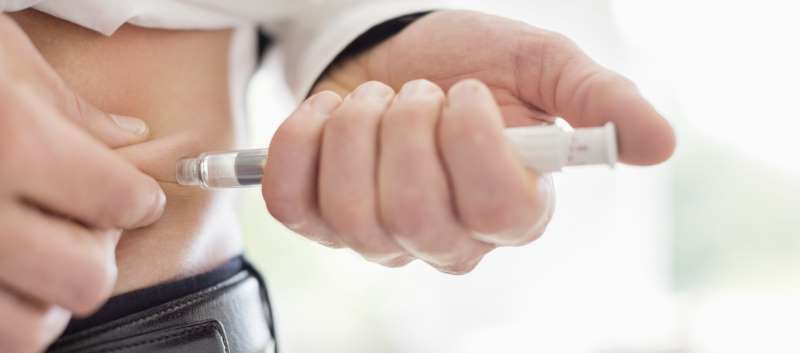
Sanofi has told US patients and pharmacies that Adlyxin (lixisenatide), a glucagon-like peptide-1 (GLP-1) receptor agonist for type 2 diabetes, will no longer be available in the country [1]. The company posted the news on its own product website, and the change has also shown up on the Food and Drug Administration's Drug Shortages tracker, which lists lixisenatide injection as discontinued [1].
Adlyxin won FDA approval in 2016 as an add-on to diet and exercise to help adults with type 2 diabetes control their blood sugar [1]. It belongs to the same drug class as several other medicines still sold in the US, including Bydureon Bcise and Byetta (exenatide), Ozempic and Rybelsus (semaglutide), Trulicity (dulaglutide), and Victoza (liraglutide) [1]. That class works by mimicking a gut hormone that helps the pancreas release insulin and slows digestion.
The reporting on this withdrawal does not lay out Sanofi's internal reasoning in detail beyond the general fact that the drug is being pulled from the market [1]. It is not yet known from the available sourcing exactly how many US patients were using Adlyxin at the time of the announcement, or what specific financial or competitive factors Sanofi weighed before deciding to discontinue it.
Why it matters for patients
Anyone currently prescribed Adlyxin will need to talk with their prescriber about switching to a different GLP-1 medicine before supplies run out. The source lists several drugs in the same class already sold in the US, including once-weekly injections like Ozempic and Trulicity, a daily injection like Victoza, and a daily pill, Rybelsus [1]. Because these drugs are not identical in dosing schedule, injection frequency, or formulation, moving from Adlyxin to one of them is not simply a one-for-one swap and typically requires a new prescription and dose plan set by a clinician.
Patients should also be aware that lixisenatide, the active ingredient in Adlyxin, has not disappeared entirely from the US market. According to the development summary, it remains available as part of Soliqua 100/33, a combination product that pairs lixisenatide with basal insulin glargine. The source reviewed for this article does not independently confirm details about Soliqua, so patients who want to know whether that combination product is a fit for them should confirm current availability and coverage with their pharmacy or insurer.
For people newly diagnosed with type 2 diabetes, the practical effect is that Adlyxin is off the table as an option going forward. Prescribers will instead be choosing among the alternatives named in the source, several of which, like Ozempic and Rybelsus, are semaglutide products that have drawn heavy demand in recent years, partly because of interest in GLP-1 drugs for weight management as well as diabetes. That demand has at times strained supply of those medicines, a factor patients switching away from Adlyxin may want to discuss with their care team and pharmacy.
What happens next
The source confirms that Adlyxin has already been flagged as discontinued on the FDA's Drug Shortages database [1]. Patients currently using the medicine will need to secure a new prescription for an alternative therapy before their existing supply runs out, since Adlyxin will not be restocked once current inventory is exhausted, according to Sanofi's own product website [1].
Images from the sources
Sources
Semaglutides.org is for information only and is not medical advice. Always talk to a licensed healthcare provider about your own care. Some links to telehealth services are affiliate links, labeled where they appear.