FDA adds Eli Lilly's Mounjaro to national drug shortage list
The Dec. 16, 2022 listing means some Mounjaro doses may reach pharmacies in incomplete shipments, a supply gap Lilly says it is working to close.
The U.S. Food and Drug Administration added Eli Lilly's Mounjaro to its national drug shortage list on Dec. 16, 2022, roughly seven months after the injectable diabetes drug was approved in May [1]. Mounjaro's common name is tirzepatide [1].
According to a posting on the FDA's website that week, increased demand for the medication meant pharmacies could experience delays in receiving full shipments of the 5-milligram dose through January [2]. The FDA site said other doses were still available at that time [2]. A separate tracker run by the University of Utah drug information service, which collects reports from pharmacies and providers, said the 2.5-milligram and 7.5-milligram doses were also on intermittent backorder [2].
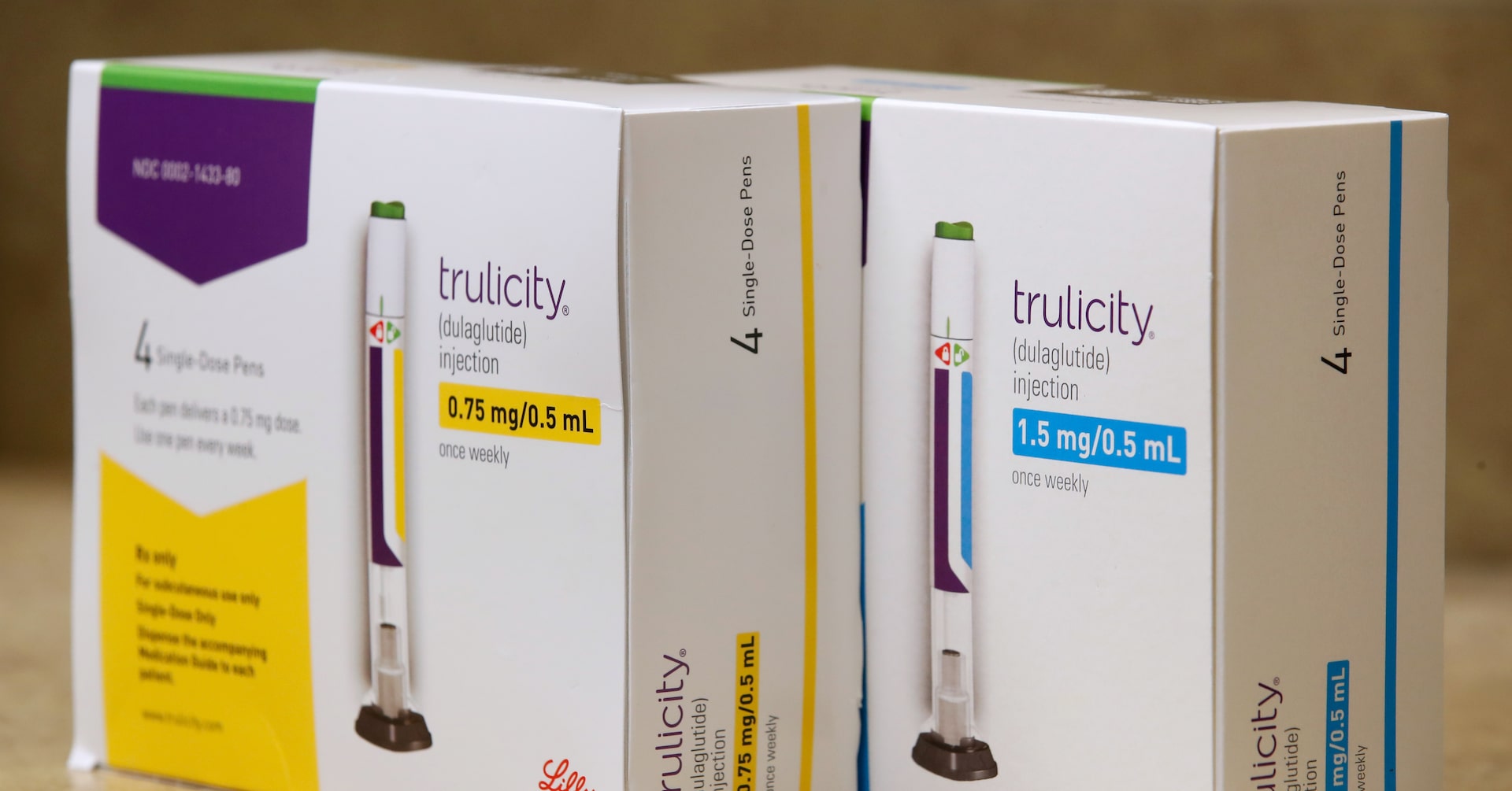
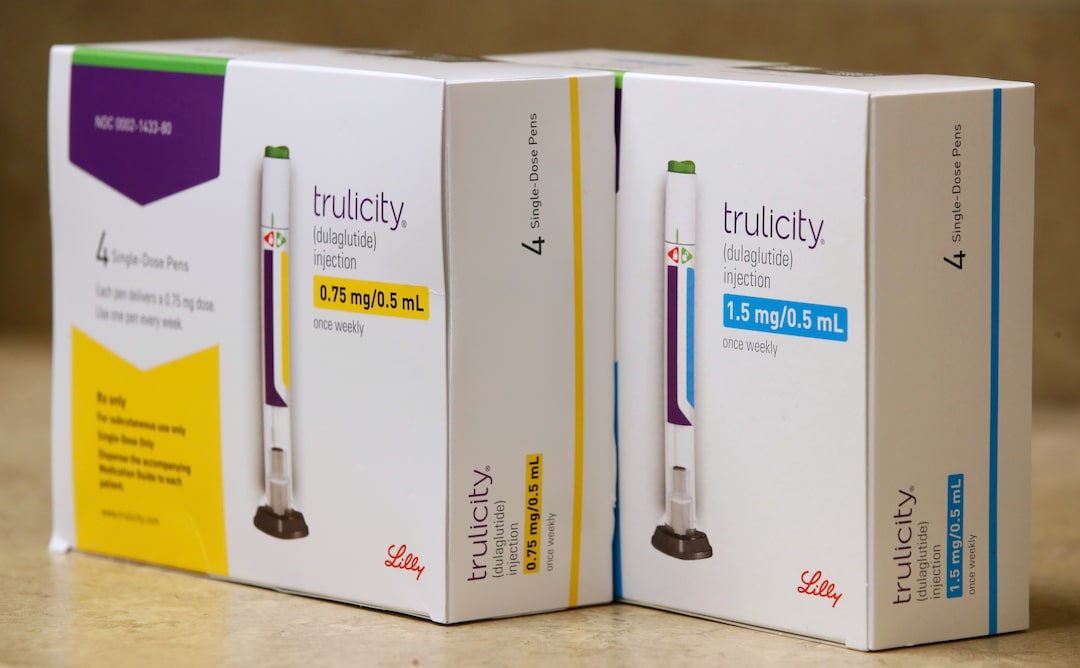
Lilly's older diabetes drug Trulicity was added to the FDA's shortage list on Thursday, Dec. 15 [1]. The company had said days earlier that it faced challenges meeting demand for both products, particularly because it makes six dosage forms of Mounjaro and four of Trulicity [1].
"We do expect to see intermittent delays at wholesalers and pharmacies in receiving some Mounjaro doses," Chief Financial Officer Anat Ashkenazi said on a conference call with analysts on Dec. 13 [1].
Lilly is expanding manufacturing capacity for the two drugs through a facility in North Carolina and plans to double that capacity by the end of 2023 [1]. Trulicity generated $5.5 billion in revenue in the year through Sept. 30, but the company and investors have pinned future growth hopes on Mounjaro [1]. Lilly also anticipates that tirzepatide will be approved for obesity, a larger market, in 2023 [1].
Supply problems have also affected a rival obesity drug, Wegovy, from Novo Nordisk, the maker of semaglutide; that company is also working to boost manufacturing capacity [1].
Why it matters for patients
A shortage listing means the FDA has been told that supply is not keeping up with demand. It does not mean the drug is unavailable everywhere. The FDA's own posting at the time said the 5-milligram dose was the one with expected shipment delays through January and that other doses were still available [2], while a tracker that gathers reports from pharmacies and providers also flagged the 2.5-milligram and 7.5-milligram doses as on intermittent backorder [2]. The two accounts of which doses are hardest to find do not match exactly.
For people with type 2 diabetes prescriptions for Mounjaro, the practical effect is that a pharmacy may not be able to fill a prescription on the usual schedule, and the delay may depend on which dose was prescribed. Mounjaro's approved use at the time was type 2 diabetes, not obesity; an obesity decision was still expected in 2023 [1].
How long the overall shortage lasted, and how it was ultimately resolved, has not been reported in these accounts. The FDA posting referenced only delays through January for the 5-milligram dose [2], and Lilly described the problems as intermittent rather than giving a timeline [1].
What happens next
Lilly has said it expects to double manufacturing capacity for Mounjaro and Trulicity at its North Carolina facility by the end of 2023 [1]. The company also anticipates a FDA decision on using tirzepatide for obesity in 2023 [1]. The FDA's shortage posting said shipment delays for the 5-milligram dose of Mounjaro could last through January [2].
Images from the sources
Sources
Semaglutides.org provides information only, not medical advice. Talk to a licensed provider about your own care before making changes. Some telehealth links are affiliate links and are labeled where they appear.