Lilly adds $450 million to North Carolina plant as tirzepatide obesity decision nears
Lilly is spending on injectable manufacturing capacity while demand for its diabetes drugs outruns supply, but the new production line will not be fully running until 2027.
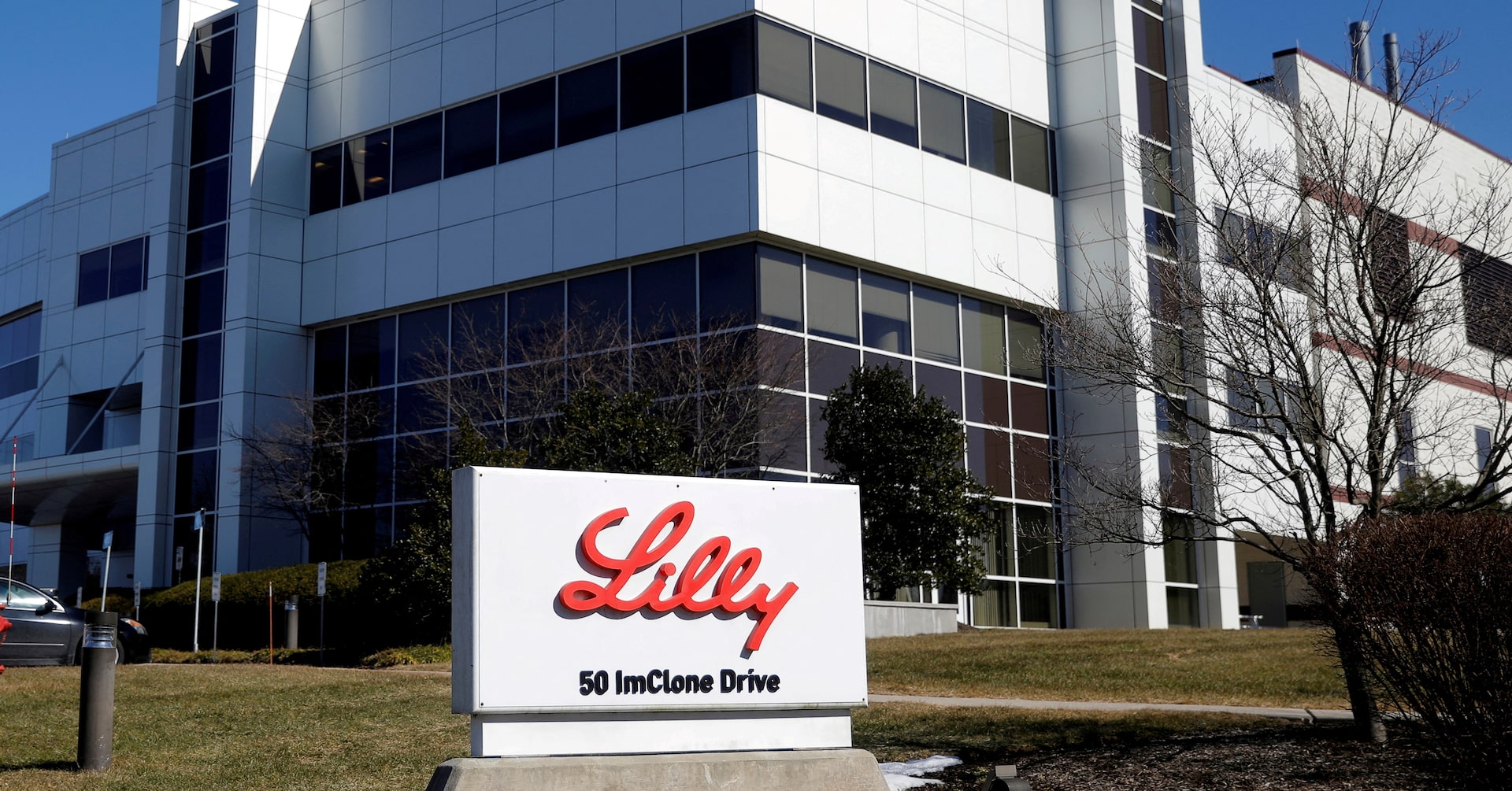
Eli Lilly said on Jan. 24, 2023 that it will invest an additional $450 million and create at least 100 new jobs at its manufacturing site in Research Triangle Park, North Carolina, expanding capacity for its incretin medicines — the drug class that includes the diabetes drugs Trulicity and Mounjaro (tirzepatide) [1][2].
The expansion adds capacity for filling injectable medicines, device assembly and packaging, Lilly said [1]. The company described the added space as support for "an increased demand for Lilly's incretin products that treat diabetes" [1].
A supply bet while an obesity decision looms
"Expanding our operations at Research Triangle Park will accelerate the rate at which we can produce medicines that patients rely on to address serious health challenges like diabetes," said Edgardo Hernandez, executive vice president and president of Lilly Manufacturing Operations. "We're on track to achieve the goal we shared in November 2022 of doubling incretin capacity by the end of this year, but this investment is key to ensuring even more patients will have access to medicines they need in the future" [1][2].
The new jobs, at least 100, are expected when the site is fully operational in 2027 and will be primarily manufacturing positions [1][2]. Lilly said initial production at the site is expected to begin in 2023, with preparations for FDA inspections ongoing [1].
Since 2020, Lilly has committed roughly $4 billion to new manufacturing facilities in North Carolina, including $1.7 billion for the development and expansion of the Research Triangle Park site, according to the company [1]. Reuters also reported the $1.7 billion figure for that site [2].
The investment comes as demand for incretin drugs is running ahead of supply. Reuters reported that Lilly has struggled to meet strong demand for products including Trulicity and the recently launched Mounjaro, and that in December the FDA added both to its list of drugs facing shortages [2]. Trulicity recorded $5.5 billion in sales in the year through Sept. 30, 2022, and Goldman Sachs analyst Chris Shibutani estimated Mounjaro would generate $2.3 billion in sales in 2023 and $27 billion at peak in 2032, according to Reuters [2].
Mounjaro was approved for diabetes in May 2022, and Lilly anticipates an obesity approval for the drug in 2023 [2]. Reuters framed the North Carolina spending as an effort to boost production ahead of that decision, while Lilly's own announcement described the expansion as serving demand for diabetes treatments [1][2].
Why it matters for patients
Capacity announcements do not change supply right away. The Research Triangle Park expansion is expected to reach full operation in 2027 [1][2], so it does not address any shortage that existed in early 2023, when both Trulicity and Mounjaro were on the FDA's shortage list [2].
The announcement also does not address pricing, insurance coverage or patient assistance programs, and no details on those were disclosed [1][2]. What it speaks to is production volume: how many doses of injectable incretin medicines Lilly can fill, assemble and package as more patients are prescribed them [1].
For patients already taking these drugs, the practical question raised by the news is whether supply keeps up with prescriptions, not whether the drugs are approved or covered. Those are separate questions the filing does not answer [1][2].
What happens next
- Initial production at Research Triangle Park is expected to begin in 2023, with FDA inspection preparations under way [1].
- Lilly aims to double its incretin capacity by the end of 2023, a goal it set in November 2022 [1][2].
- The site is expected to be fully operational in 2027, with at least 100 new jobs [1][2].
- Lilly says it expects a US obesity approval for tirzepatide in 2023; a specific decision date has not been reported [2].
Lilly also said it anticipates further expansion of its global manufacturing footprint as it prepares for potential new medicines in diabetes, obesity, Alzheimer's disease, cancer and autoimmune conditions, without giving figures or timelines for that future expansion [1].
Images from the sources
Sources
Semaglutides.org provides information only, not medical advice. Talk to a licensed provider about your own care before making changes. Some telehealth links are affiliate links and are labeled where they appear.