"Ozempic face" enters the mainstream vocabulary
In January 2023, the phrase "Ozempic face" moved into mainstream conversation, describing facial fat loss some people notice while on semaglutide, and it turned appearance and rapid weight loss into a wider public debate.
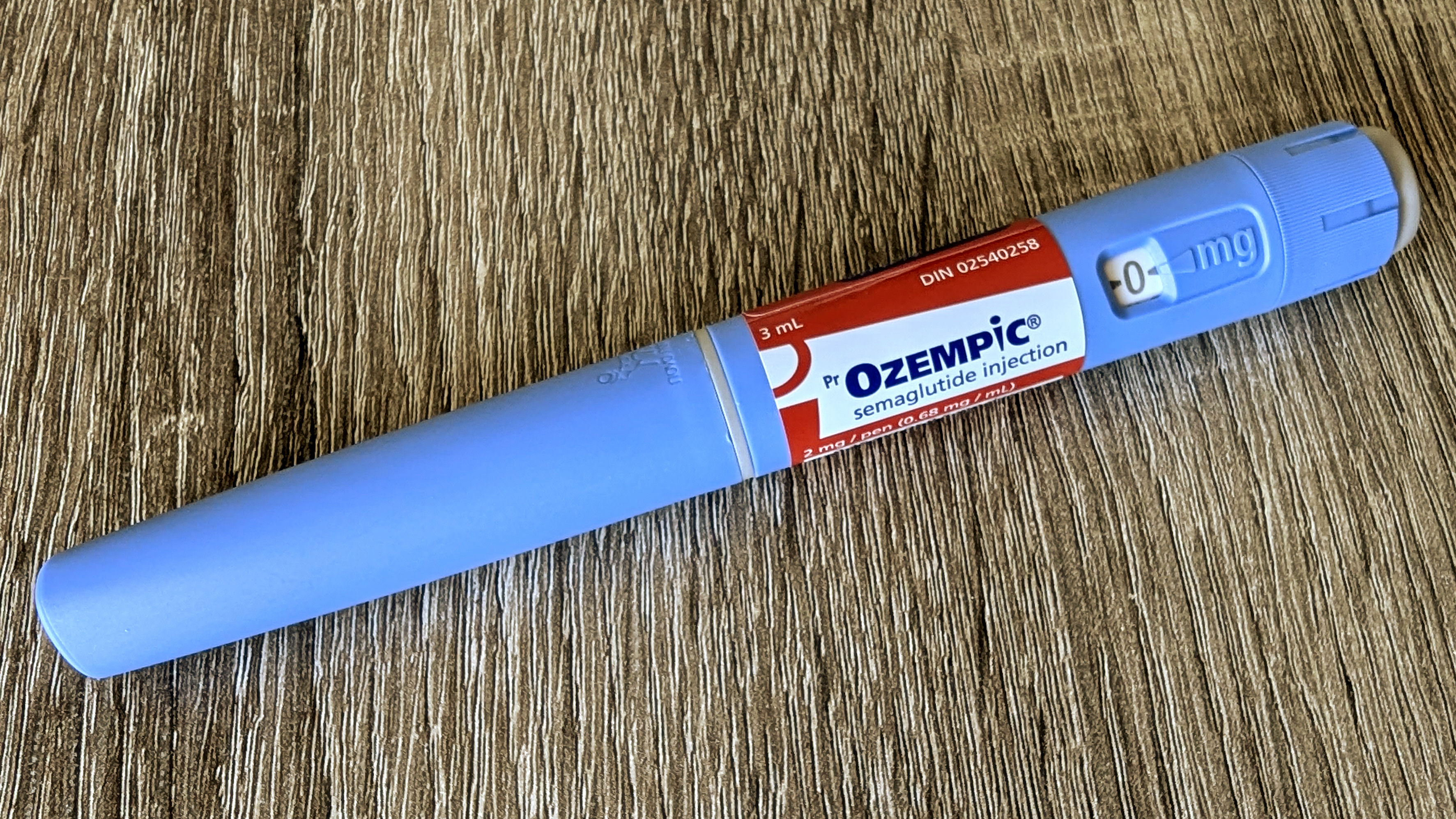
In January 2023, a shorthand phrase entered everyday conversation: "Ozempic face." Coverage of people using semaglutide, sold under the brand names Ozempic, Wegovy, and Rybelsus, described a pattern of rapid facial fat loss that some users and observers noticed during treatment [1]. The term quickly became a cultural touchstone, standing in for a broader argument about weight, appearance, and what these medications do to the body beyond the number on a scale.
Semaglutide is a GLP-1 medication approved for diabetes (Ozempic, Rybelsus) and for chronic weight management (Wegovy) [1]. It is given by injection, in the case of Ozempic and Wegovy, or taken orally as Rybelsus [1]. The drug works by mimicking a hormone that affects appetite and blood sugar, and it has a long elimination half-life of about seven days, meaning it stays active in the body for an extended period between doses [1]. That sustained, and often substantial, weight loss is the mechanism behind reports of facial changes, since fat loss in the face tends to be more visible than fat loss elsewhere on the body [1].
The available source material does not provide clinical trial data specifically measuring facial fat loss as a distinct outcome, nor does it define how common or severe "Ozempic face" is among people taking the drug. It is not yet known, based on this record, how doctors or regulators have formally characterized the phenomenon, or whether it appears more with higher doses, faster weight loss, or longer use.
What is documented is the drug's broader profile: semaglutide is prescription-only in the United States, and its labeling covers diabetes and weight management uses [1]. The cultural conversation around "Ozempic face" grew alongside a surge in public awareness of these medications overall, as semaglutide became a household name distinct from its clinical role.
Why it matters for patients
For people considering or already using semaglutide, the emergence of "Ozempic face" as a widely used term signals that rapid or significant weight loss can bring visible changes beyond the areas patients may expect, including in the face [1]. This matters because appearance-related side effects, even ones that are not medically dangerous, can affect how people feel about their treatment and their bodies. The term's spread into mainstream vocabulary also reflects growing public scrutiny of these drugs, extending discussion beyond blood sugar control or pounds lost to questions about facial aging and self-image.
The sources here do not include data on how patients or doctors have responded to concerns about facial fat loss, whether it reverses after stopping the drug, or whether it differs from facial changes seen with weight loss achieved through other methods. Readers should treat "Ozempic face" as a term that captures a lived observation and a cultural moment, not as a defined medical diagnosis with established rates or mechanisms in the record reviewed for this article.
What happens next
The sources reviewed do not specify a timeline for further research, updated labeling, or professional guidance addressing facial fat loss associated with semaglutide. As the drug's use has expanded for both diabetes and weight management, public and clinical conversation about its cosmetic side effects appears likely to continue, but no dated milestones for formal study or regulatory action on this specific issue are included in the available material.
Images from the sources
Sources
Semaglutides.org is for information only and is not medical advice. Always talk to a licensed healthcare provider about your own care. Some links to telehealth services are affiliate links, labeled where they appear.