Lilly's fourth-quarter 2022 results disappoint on Mounjaro, and the stock falls
Eli Lilly's Mounjaro sales missed Wall Street forecasts in the fourth quarter of 2022, and investors sent the stock down 6% as they focused on whether the drug would soon win approval for weight loss, not just diabetes.[1][2]
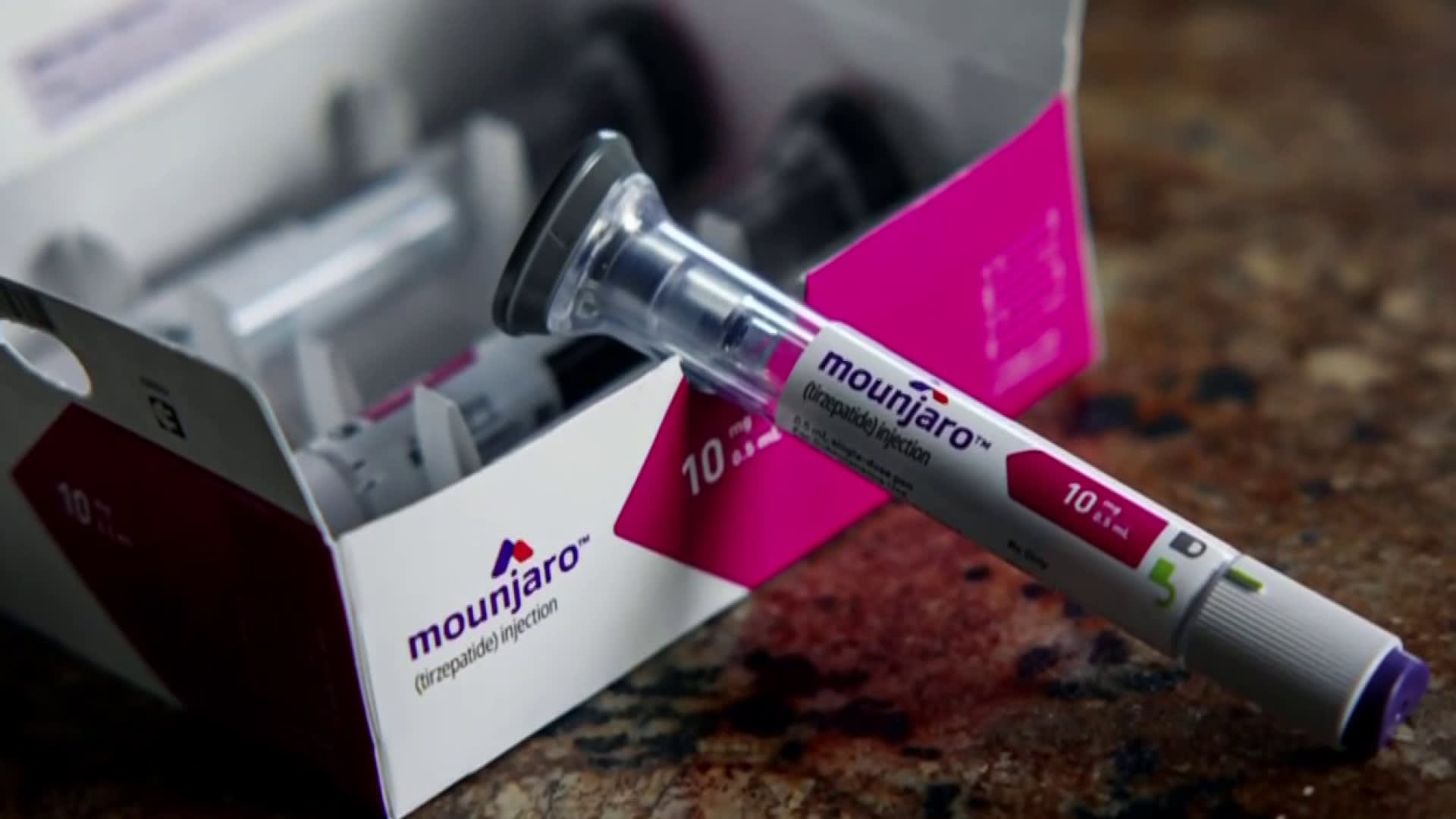
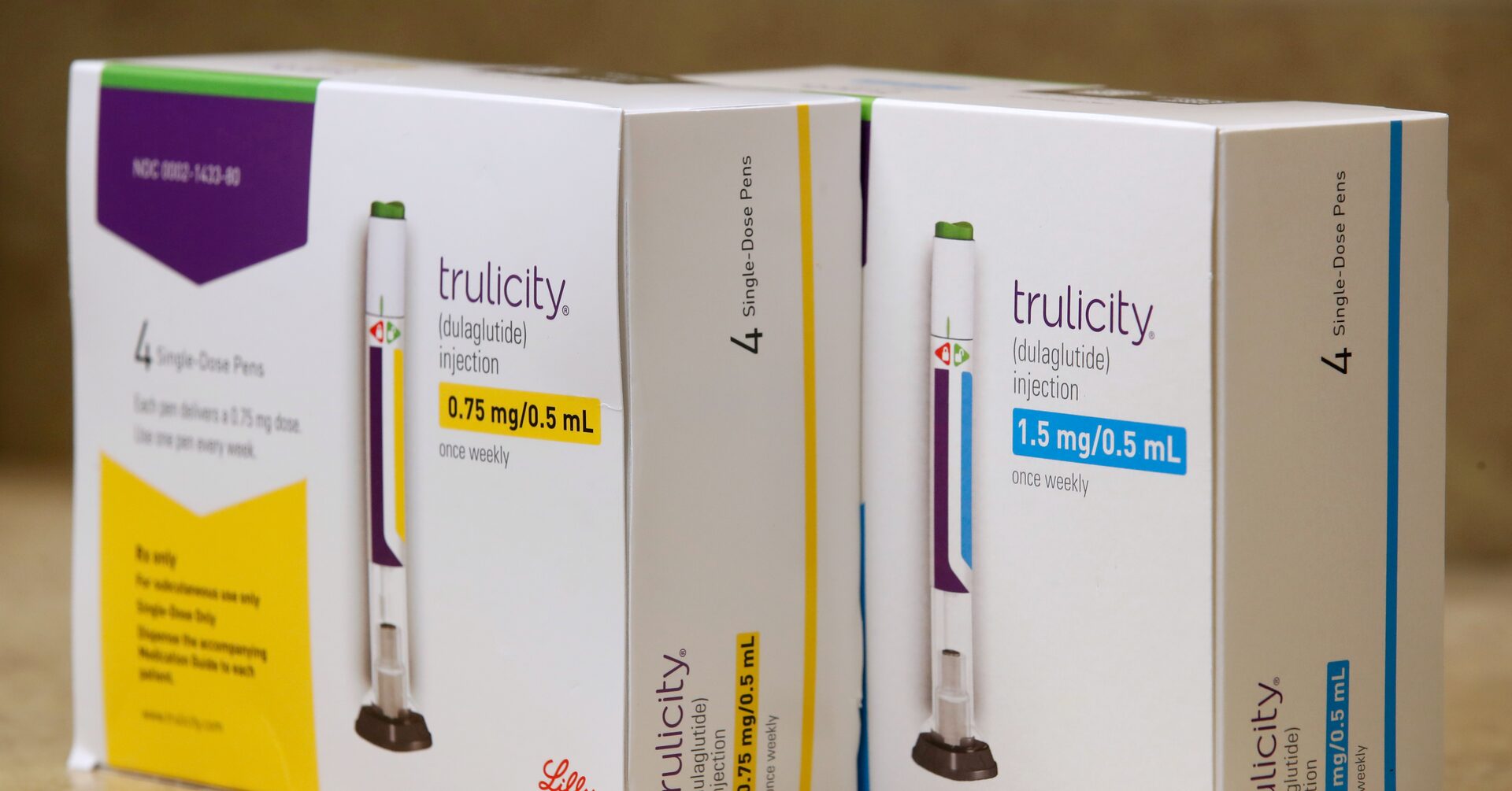
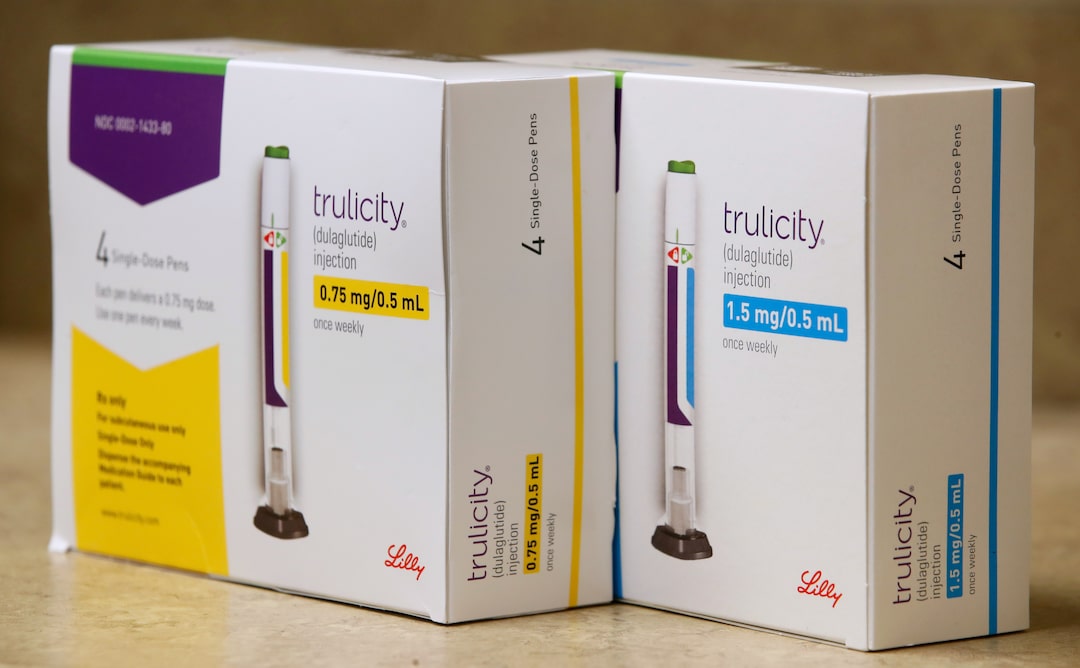
Eli Lilly reported fourth-quarter 2022 results on February 2, 2023, that fell short of analyst expectations for Mounjaro, its newly launched type 2 diabetes drug, sending shares down 6% that day.[1][2] Mounjaro brought in $279.2 million in sales for the quarter, below the roughly $319 million analysts had projected.[1][2] Lilly's older diabetes drug Trulicity also missed forecasts, with $1.94 billion in sales, and total company revenue of $7.30 billion came in slightly under the $7.33 billion Wall Street expected.[2]
A big part of the story was insurance coverage. Lilly said just over 50% of commercial and Medicare Part D plans now offered favorable terms for Mounjaro prescriptions, up only slightly from 45% the prior quarter.[1][2] SVB Securities analyst David Risinger called that a smaller improvement than expected: "We would have expected somewhat more of an uptick."[1][2] By comparison, competitor Novo Nordisk had already reached more than 80% of insurance formularies for its obesity drug Wegovy.[1]
Some of the sales weakness reflected a decision by Lilly to crack down on prescriptions written for weight loss rather than diabetes. Mounjaro (tirzepatide) was approved only for type 2 diabetes at the time, but many doctors had been prescribing it off-label for obesity, and patients were using a Lilly patient-access program to get it. CEO David Ricks told CNBC the company spent the quarter verifying that patients in that program actually had a type 2 diabetes diagnosis, which likely reduced the prescription volume analysts had been counting on.[1]
Manufacturing capacity was another constraint. Ricks said Lilly expected to exit 2023 with 50% more manufacturing capacity than it started with, with further increases planned for 2024 and 2025.[1] Because federal law bars traditional Medicare from paying for obesity drugs, any future approval for weight loss would still leave a coverage gap for older Americans on Medicare unless Congress changed the law.[1]
Despite the Mounjaro miss, Lilly raised its 2023 profit forecast to $8.35 to $8.55 per share, above the $8.28 analysts expected, partly because of an anticipated lower tax rate.[2] Ricks described 2023 as a "year of investment in future growth."[2] Separately, Lilly's COVID-19 antibody treatment bebtelovimab saw sales collapse 96% to $38 million after regulators pulled its authorization.[2]
Why it matters for patients
For patients already using Mounjaro for type 2 diabetes, the quarter's numbers reflected real-world friction: insurance coverage was improving only gradually, meaning many patients likely still faced high out-of-pocket costs or coverage denials.[1][2] For people hoping to use tirzepatide for weight loss, Lilly's tightening of its patient-access program signaled that obtaining the drug off-label was becoming harder, even before an obesity-specific approval existed.[1] And because Medicare is legally barred from covering obesity drugs, any future approval for weight loss would not automatically help patients relying on that program, unless the law changed.[1]
Analysts framed the quarter's disappointing sales as a temporary distraction from the bigger question: whether tirzepatide would be approved for obesity, which could open what one analyst called a much larger market than diabetes alone.[1] Bank of America analyst Geoff Meacham noted that Novo's competing GLP-1 drugs, including Wegovy and Rybelsus, grew sales 42% in 2022 and that demand for the drug class overall was expanding.[1]
What happens next
At the time of this report, Lilly said it expected a decision on tirzepatide's obesity approval later in 2023.[1] The company also said manufacturing capacity increases were planned through 2024 and 2025 to meet anticipated demand.[1] Results from Lilly's Alzheimer's drug trial were expected by mid-2023.[2]
Images from the sources
Sources
Semaglutides.org is for information only and is not medical advice. Always talk to a licensed healthcare provider about your own care. Some links to telehealth services are affiliate links, labeled where they appear.