Gracie McGraw says she takes Mounjaro for polycystic ovary syndrome
Gracie McGraw's Instagram disclosure that she takes Mounjaro for PCOS put a spotlight on off-label GLP-1 use for the condition, which affects up to 1 in 10 women of reproductive age.
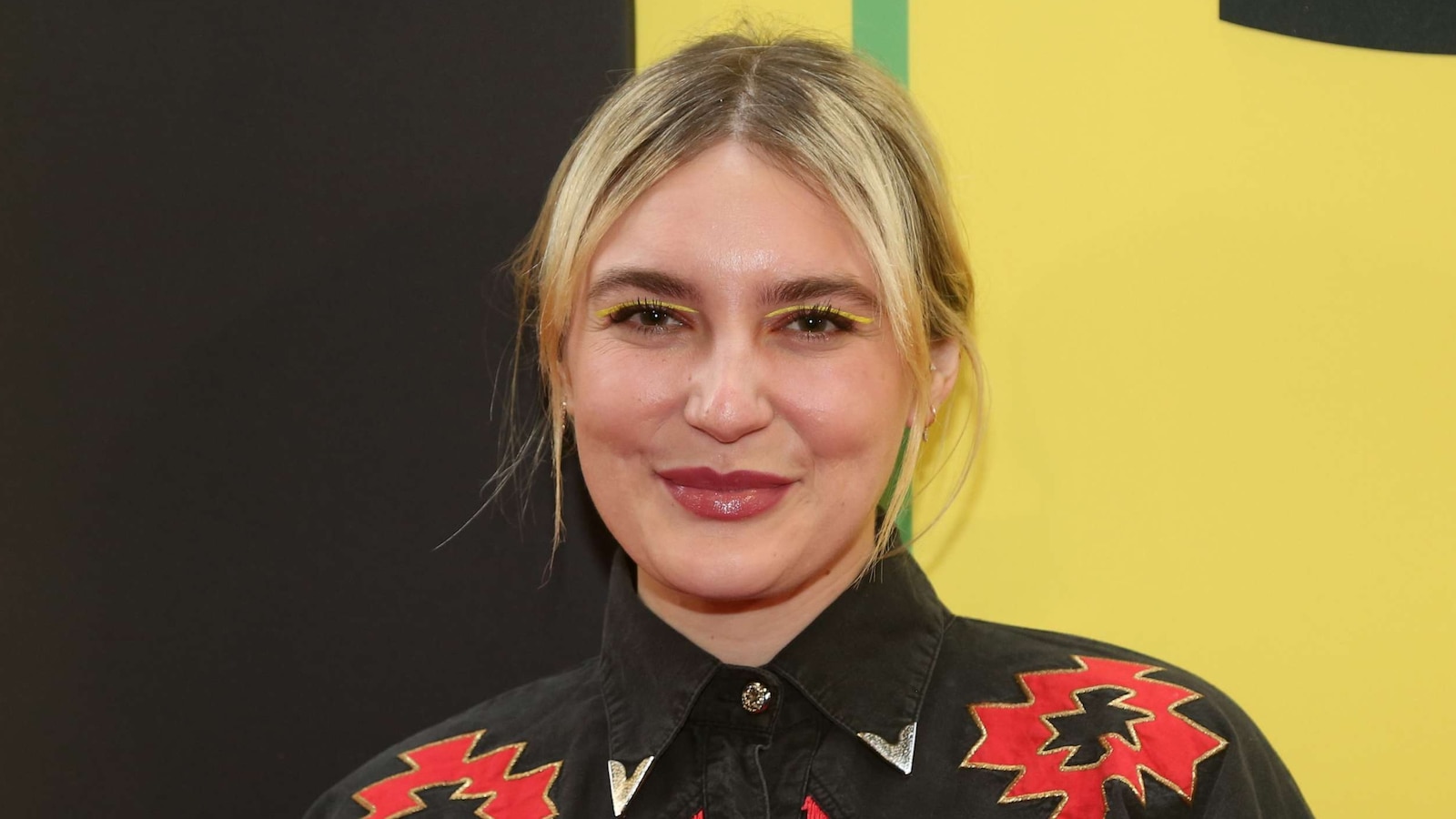
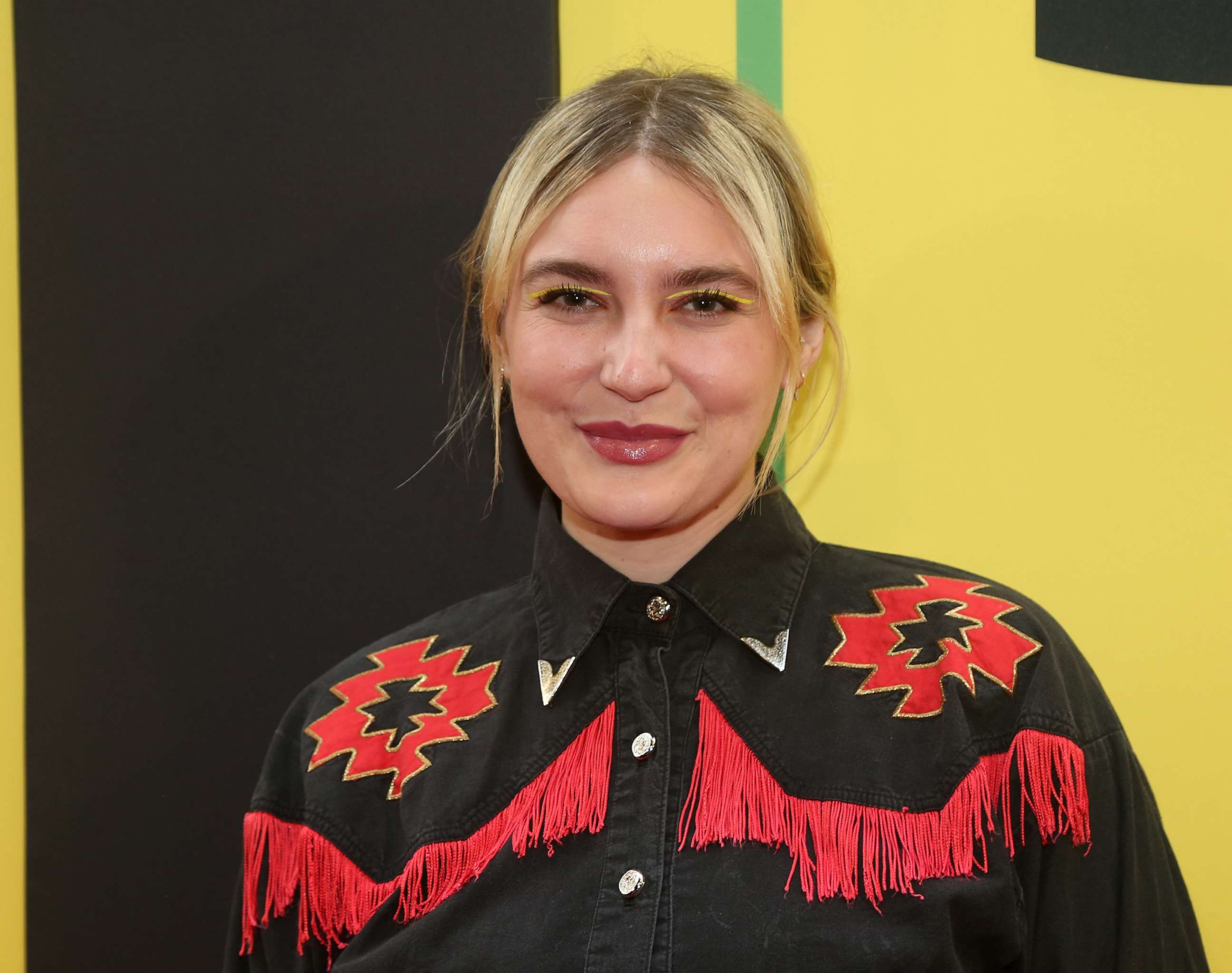
Gracie McGraw, daughter of Tim McGraw and Faith Hill, said on Instagram that she takes a "low dose" of Mounjaro to treat polycystic ovary syndrome, or PCOS, after previously using Ozempic [1][2]. Her comment came in reply to a commenter who accused her of using Ozempic for weight loss; McGraw wrote, "I did use ozempic last year, yes. I am now on a low dose of mounjaro for my PCOS as well as working out" [2]. She first disclosed her PCOS diagnosis in March 2022, saying she met four of the five diagnostic characteristics used to identify the condition [2].
McGraw is not alone. Branneisha Cooper, 26, of Texas, said her doctor prescribed her Mounjaro last November after telling her other women with PCOS were already using it [1]. Cooper said she has since had regular monthly periods, less inflammation, and lost more than 40 pounds [1]. Tiffany Groves, 38, also of Texas, said she started Mounjaro in October after learning about it on TikTok and has lost around 43 pounds while regaining regular cycles for the first time [1].
PCOS is a hormone disorder marked by higher-than-normal androgen levels and, in many cases, insulin resistance, according to the U.S. Office on Women's Health [1]. The condition affects an estimated 1 in 10 women of childbearing age, per that office, while the Endocrine Society puts the U.S. figure at 5 to 6 million women, or 7 to 10 percent [1][2]. Symptoms can include irregular or absent periods, excess facial hair, acne, weight gain, and infertility [1][2].
Neither Mounjaro (tirzepatide) nor Ozempic (semaglutide) is FDA-approved to treat PCOS. Mounjaro's approval covers type 2 diabetes; Ozempic is also approved only for type 2 diabetes, with doctors prescribing both off-label for other uses [1]. Dr. Rekha Kumar, an endocrinologist at Weill Cornell Medicine, said the drugs help with PCOS indirectly, by addressing insulin resistance, which she called "a fat storage-promoting hormone" problem underlying much of the condition [1]. Kumar said she has prescribed this drug class for PCOS for more than a decade [1]. A UK gynecologist, Professor Adam Balen, has said semaglutide may also help by improving insulin sensitivity [2].
Why it matters for patients
Any use of Mounjaro or Ozempic for PCOS is off-label, meaning it falls outside the FDA-approved use and is not backed by the large randomized trials that support diabetes or obesity indications [1]. The sources describe individual patient accounts and physician commentary, not controlled PCOS trials, so it is not yet known how reliably these drugs improve PCOS symptoms across a broader population.
Kumar said rising demand for GLP-1 drugs for weight loss has made it harder for patients, including those with PCOS, to get prescriptions approved by insurance, since both Ozempic and Wegovy are considered off-label for PCOS and can cost more than $1,000 a month without coverage [1].
Pregnancy planning is also a specific concern. Kumar noted that treating insulin resistance can restore fertility, meaning patients who did not expect to conceive might become pregnant while on the drug [1]. The FDA states there is
Images from the sources


Sources
Semaglutides.org is for information only and is not medical advice. Always talk to a licensed healthcare provider about your own care. Some links to telehealth services are affiliate links, labeled where they appear.