The first 'stomach paralysis' lawsuits name both Ozempic and Mounjaro
A Louisiana woman sued Novo Nordisk and Eli Lilly on Aug. 2, 2023, claiming they failed to warn that Ozempic and Mounjaro could cause severe stomach problems, including gastroparesis [1].
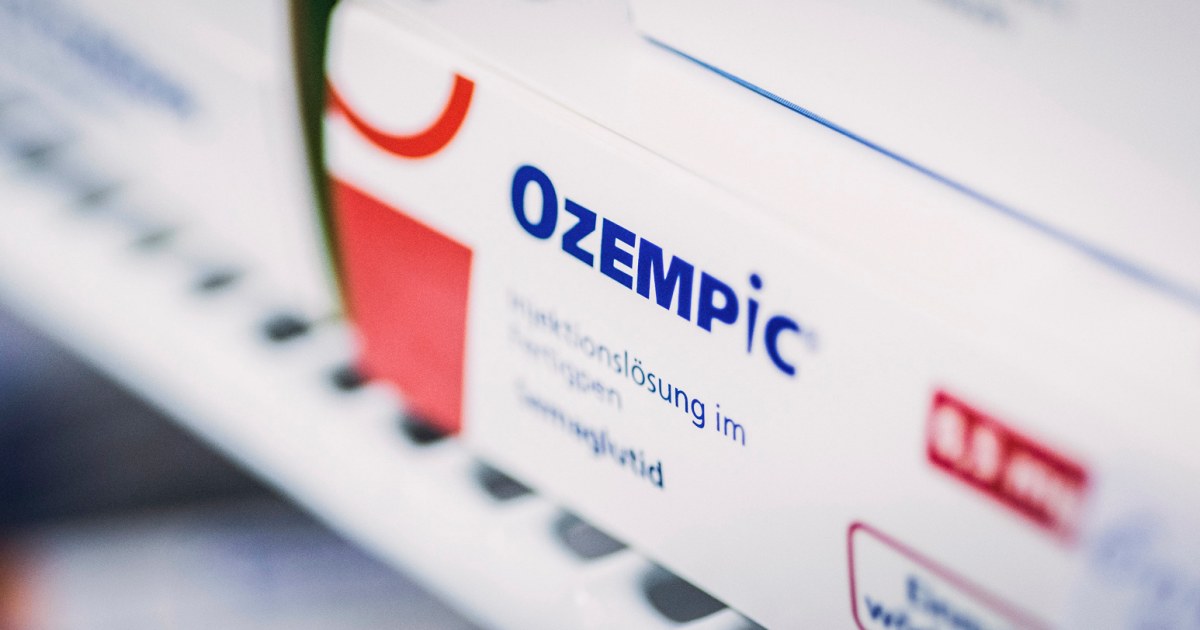
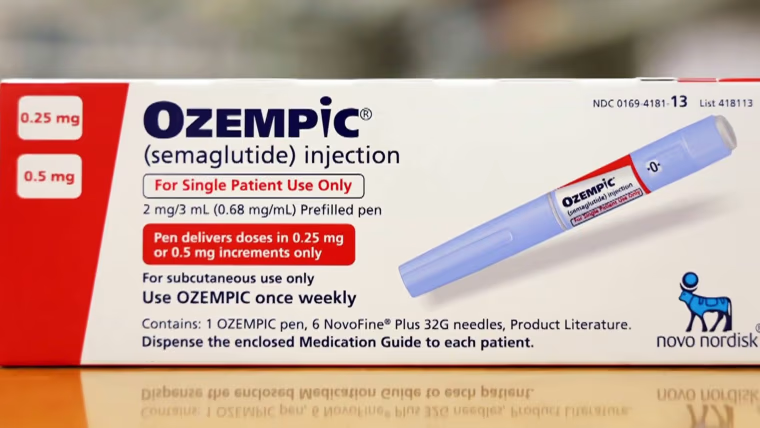
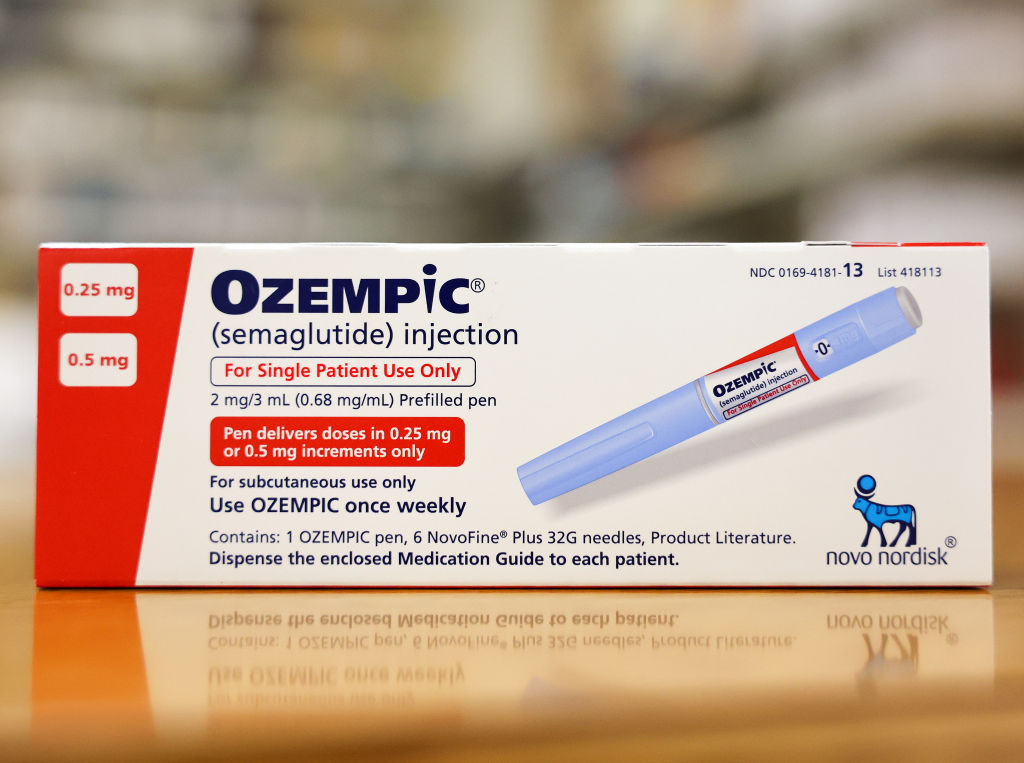
A 44-year-old Louisiana woman filed suit against Novo Nordisk and Eli Lilly on Wednesday, Aug. 2, 2023, alleging the companies did not adequately warn patients about the risk of severe stomach problems tied to their GLP-1 drugs Ozempic (semaglutide) and Mounjaro (tirzepatide) [1]. The 26-page complaint is the first to claim the two medicines can cause gastrointestinal injuries [1].
The plaintiff, Jaclyn Bjorklund, was diagnosed with Type 2 diabetes in 2017 and was prescribed Ozempic before later switching to Mounjaro [1]. According to one account, she used Ozempic for more than a year before the switch [2]. Her lawsuit says she suffered "severe vomiting, stomach pain, gastrointestinal burning" and was hospitalized for stomach issues on "several" occasions [2]. Her attorneys say the vomiting was severe enough that some of her teeth fell out [2]. She is seeking damages for past and future pain and suffering, plus medical costs, attorney fees and court costs [2].
At the center of the case is gastroparesis, sometimes called "stomach paralysis" or "delayed gastric emptying," a condition in which food moves slowly or stops moving out of the stomach into the small intestine [1]. Paul Pennock, an attorney with Orlando-based Morgan & Morgan, said the suit accuses the drugmakers of failing to disclose risks including severe gastroparesis and "persistent" vomiting [1]. The complaint also names gastroenteritis, or stomach inflammation [2]. One report notes the filing does not state whether Bjorklund was actually diagnosed with those conditions [2].
What the labels say
GLP-1 drugs work partly by slowing how fast food leaves the stomach, which can help people feel full longer [1]. Gastrointestinal side effects such as abdominal pain, nausea and vomiting are documented in clinical trials and listed on the drugs' labels [1]. The word "gastroparesis" does not appear in the prescribing information for Ozempic or Mounjaro, but both labels state that the drugs delay gastric emptying, partly because that can change how other medicines are absorbed [1][2].
The Food and Drug Administration declined to comment on the lawsuit, and agency spokesperson Chanapa Tantibanchachai said it is unclear whether GLP-1 medications contribute to gastroparesis [1]. Novo Nordisk spokesperson Natalia Salomao said the company was not aware of the lawsuit as of Wednesday morning and noted that gastroparesis is a known risk for people with diabetes [1]. "Patient safety is of utmost importance to Novo Nordisk," she said. "We recommend patients take these medications for their approved indications and under the supervision of a healthcare professional" [1]. Novo also said risk factors for gastroparesis include obesity, viral infections and nervous system disorders, and that women are more susceptible [2]. The company said gastrointestinal events are well-known side effects of the GLP-1 class and that for semaglutide, most are mild to moderate and short-lived, citing more than 9.5 million patient-years of exposure [2]. Eli Lilly did not immediately respond to NBC News [1]; a Lilly spokesperson told Fierce Pharma the company "actively" monitors, evaluates and reports safety information for all its medicines [2].
Why it matters for patients
A lawsuit is an allegation, not a finding of fact, and no court had ruled on these claims at the time of filing [1][2]. The FDA itself said the link between GLP-1 drugs and gastroparesis is unclear [1]. What the case does highlight is a gap between what patients experience and what appears on a label: slowed stomach emptying is described in the prescribing information, but the specific diagnosis of gastroparesis is not [1][2].
Pennock said about 400 people had come forward claiming gastrointestinal injuries from the drugs, and he expects "thousands of such cases" [1].
What happens next
The sources do not say when the case will be heard or whether regulators plan label changes. Separately, in July 2023 the European Medicines Agency said it would review Novo's Ozempic and Saxenda over reports of suicidal thoughts, and the U.K. drug regulator opened a parallel review [2]. How those reviews and this litigation resolve is not yet known.
Images from the sources
Sources
Semaglutides.org is for information only and is not medical advice. Always talk to a licensed healthcare provider about your own care. Some links to telehealth services are affiliate links, labeled where they appear.