Lilly hits a record high as Mounjaro drives an 85% profit jump
Eli Lilly's stock jumped 18% to a record high after Mounjaro sales nearly doubled, but the company said manufacturing capacity, not patient demand, was limiting how many people could get the drug.
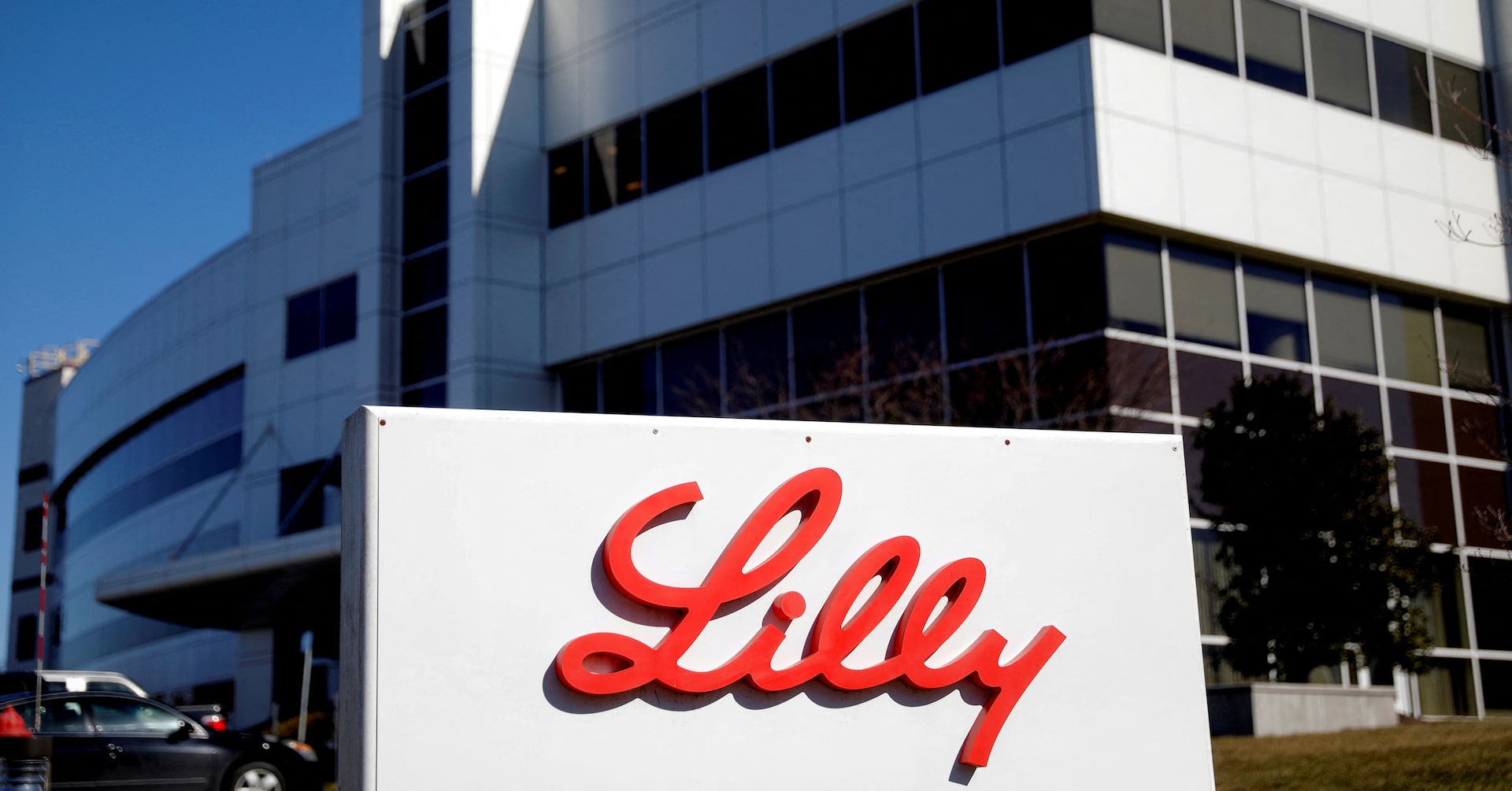
Eli Lilly shares surged 18% on August 8, 2023, to a record high after the company reported that second-quarter profit jumped 85% from a year earlier, driven largely by its diabetes drug Mounjaro [1][2]. The rally put Lilly on track to overtake UnitedHealth as the world's most valuable healthcare company by market value [1].
Mounjaro sales rose 72.3% from the prior quarter to $979.7 million, far above analysts' estimate of $743 million [1]. A year earlier, in the same quarter of 2022, Mounjaro had brought in just $16 million, since the drug had only been approved in the U.S. in May 2022 [2]. One analyst said the jump partly reflected patients moving off Lilly's discount savings program and onto commercial insurance plans that pay higher reimbursement rates [1].
Lilly's overall second-quarter sales reached $8.31 billion, a 28% increase from a year earlier, beating the $7.58 billion analysts expected [2]. Net income was $1.76 billion, or $1.95 per share, up from $952.5 million, or $1.05 per share, in the same period last year [2]. On an adjusted basis, earnings came in at $2.11 per share versus the $1.98 expected [1][2]. Lilly raised its full-year revenue forecast to between $33.4 billion and $33.9 billion, up from a prior range of $31.2 billion to $31.7 billion, and lifted its adjusted earnings guidance to $9.70 to $9.90 per share for the year [2].
Even with the strong sales, Lilly acknowledged it could not keep up with orders. The company said it "has experienced and continues to expect intermittent delays fulfilling orders of certain Mounjaro doses given significant demand" [2]. Chief Financial Officer Anat Ashkenazi said Lilly was expanding capacity at a new North Carolina manufacturing plant that produces Mounjaro and related drugs, but supply would "likely remain tight in the coming months and quarters" [2].
The same day, rival Novo Nordisk reported that its obesity drug Wegovy cut the risk of a major cardiovascular event, such as a heart attack or stroke, by 20% in a late-stage study — a bigger benefit than the 15% to 17% investors had expected [1]. A Wells Fargo analyst said the data changed how these medicines are viewed: "Until now, these medicines were only weight-loss drugs but now they are much more than that" [1]. A Lilly executive said the results could help push insurers to expand coverage for obesity treatments and shift the conversation "away from aesthetics and more towards the health benefits" [2].
Why it matters for patients
For patients already prescribed Mounjaro, the earnings report offered an official explanation for something many had likely already experienced firsthand: pharmacy shortages and delayed refills. Lilly's own CFO said certain doses would probably remain hard to get for months [2]. The company had also filed for FDA approval of the drug for weight management the previous month, meaning demand was expected to keep growing even as manufacturing struggled to keep pace [2].
The cardiovascular data from Novo Nordisk's Wegovy trial, while about a different company's drug, matters for anyone considering or using a GLP-1 medication because it could influence whether insurance plans decide to cover these treatments more broadly, according to analysts quoted in the coverage [1][2]. Wider coverage could eventually affect out-of-pocket costs, though the sources do not specify insurer decisions or timelines for coverage changes.
What happens next
At the time of these results, Lilly said a U.S. decision on approving the drug for obesity patients was expected later in 2023 [1]. The company had filed for that approval the month before its earnings report [2]. The sources do not specify the exact date such a decision would arrive, nor do they detail when supply constraints were expected to ease.
Images from the sources
Sources
Semaglutides.org is for information only and is not medical advice. Always talk to a licensed healthcare provider about your own care. Some links to telehealth services are affiliate links, labeled where they appear.