Novo Nordisk agrees to buy Inversago Pharma for up to $1 billion
Novo Nordisk, maker of Ozempic and Wegovy, said in August 2023 it would buy Montreal biotech Inversago Pharma for up to $1 billion to add an experimental obesity pill that the company later stopped developing in 2026.
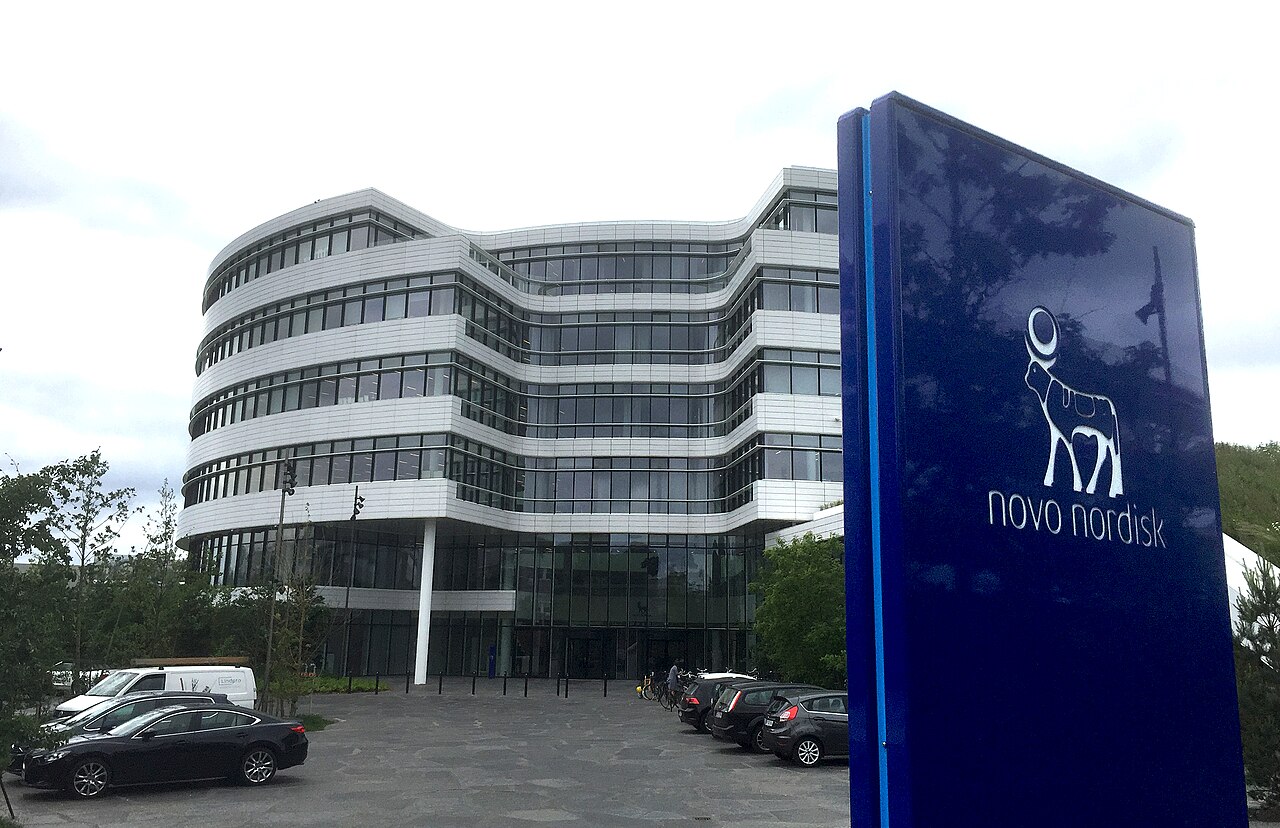
Novo Nordisk, the Danish pharmaceutical company behind Ozempic, Wegovy, and Saxenda, agreed on August 10, 2023, to acquire Inversago Pharma, a smaller Montreal-based biotech, in a deal reported to be worth up to $1 billion. The purchase brought Novo Nordisk an early-stage drug program targeting the CB1 receptor, a target in the body linked to appetite and metabolism. That program eventually became a compound called monlunabant, which Novo Nordisk later discontinued in 2026.
Novo Nordisk is one of the largest pharmaceutical companies in the world, with net sales of about $42.1 billion in 2024, and it markets its products in 168 countries [1]. Its product lineup includes insulin brands like Tresiba and Levemir alongside its obesity and diabetes drugs Ozempic, Wegovy, and Saxenda [1]. The company is majority owned by Novo Holdings A/S, which is controlled by the Novo Nordisk Foundation [1]. Because Novo Nordisk already leads the obesity drug market with its GLP-1 medicines, deals like the Inversago purchase are one way the company has tried to build a pipeline of future treatments beyond its current injectable and pill products.
Details about the specific financial terms of the Inversago acquisition, the clinical trial results for monlunabant, and the exact reasons Novo Nordisk ended the program in 2026 are not confirmed in the sourcing available for this report. It is not yet known from current sourcing whether safety concerns, weak effectiveness, competitive pressure from other obesity drugs, or business strategy drove the decision to stop developing monlunabant.
Why it matters for patients
For people currently using or considering GLP-1 medications like Ozempic, Wegovy, Mounjaro, or Zepbound, this deal and its later reversal illustrate how much drugmaking involves trial and error. A company as large as Novo Nordisk, with tens of billions of dollars in annual sales [1], can spend up to $1 billion acquiring a promising research program and still end up shelving the resulting drug years later. That pattern is common in the pharmaceutical industry and does not necessarily reflect problems with the drugs patients already take, such as semaglutide-based Ozempic and Wegovy or tirzepatide-based Mounjaro and Zepbound.
Patients should also understand that CB1 receptor drugs, the class monlunabant belonged to, work through a different biological pathway than the GLP-1 receptor drugs currently on pharmacy shelves. A CB1 drug's discontinuation does not affect the approval status or safety profile of existing GLP-1 medicines. Still, the story is a reminder that companies routinely start and stop many experimental obesity treatments, and only a small number of research programs eventually reach patients as approved prescriptions.
What happens next
Based on the sources available, it is not yet known whether Novo Nordisk plans to pursue other CB1-targeted compounds or whether any Inversago-derived research will continue in a different form. It is also unclear what became of the broader Inversago research team or other pipeline assets included in the original 2023 acquisition. Readers interested in the company's active obesity and diabetes pipeline can look to Novo Nordisk's ongoing GLP-1 products, which remain its primary source of revenue [1].
Sources
Semaglutides.org is for information only and is not medical advice. Always talk to a licensed healthcare provider about your own care. Some links to telehealth services are affiliate links, labeled where they appear.