ConsumerLab finds problems in nearly 45% of berberine and goldenseal supplements
ConsumerLab tested 10 berberine and goldenseal products and found nearly half had quality problems, including two goldenseal supplements contaminated with lead.
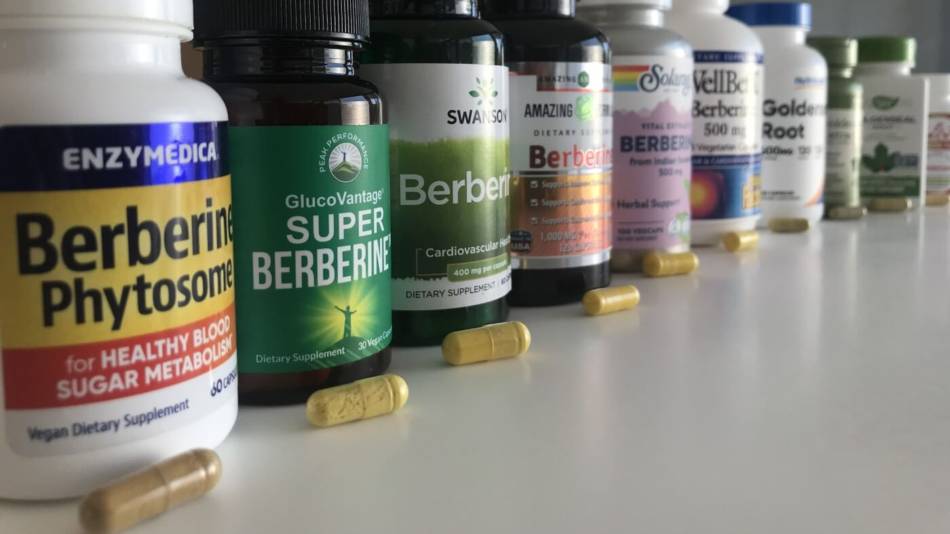
Independent testing lab ConsumerLab evaluated 10 berberine and goldenseal supplements and found that close to half failed to meet quality standards, according to results reported in the group's Berberine and Goldenseal Supplements Review [2]. Five of six berberine products passed, though one fell a bit short of its labeled berberine amount [2]. All three goldenseal products tested failed: one contained almost none of the expected berberine, and two others were contaminated with lead [2].
Berberine is a yellow compound found in goldenseal root, and supplements are typically sold as berberine HCl, which is 90% berberine, in capsule or tablet form containing hundreds of milligrams per dose [2]. Goldenseal root powder or extract products generally provide much less berberine, typically under 30 milligrams per serving, which is one reason quality control matters differently for the two types of products [2]. The brands ConsumerLab tested included Amazing Formulas, Bone Science, GlucoVantage, GNC, Eclectic Institute, Enzymedica, Natural Factors, Nature's Way, Nutricost, Solaray, and Swanson [2].
This was not the first time ConsumerLab found problems in this supplement category. In 2017, the lab tested 15 berberine products and found nine contained only 33% to 89% of their claimed berberine amounts [1]. A later test of 33 berberine supplements purchased on Amazon and Walmart.com found many contained less than half the listed amount of berberine [1].
ConsumerLab also noted that berberine has been marketed as "Nature's Ozempic," a reference to semaglutide, the GLP-1 drug sold as Ozempic that lowers blood sugar and aids weight loss by mimicking a natural gut hormone [2]. But the lab was direct about the comparison: semaglutide's effects are much greater and far better supported by clinical evidence than berberine's, and berberine has not been shown to cause weight loss [2].
Why it matters for patients
People who buy berberine or goldenseal supplements expecting a natural substitute for prescription GLP-1 drugs are relying on a product category where testing has repeatedly found quality gaps. A supplement that contains little or none of its labeled berberine will not produce the blood sugar or cholesterol effects associated with the ingredient in studies, because the person isn't actually getting a meaningful dose [2]. Lead contamination in two goldenseal products raises a separate safety concern unrelated to dosing accuracy [2].
Berberine itself carries cautions apart from quality issues. ConsumerLab notes it can raise bilirubin levels, should not be taken by people who are pregnant or nursing or by young children, may affect blood sugar and blood pressure, can interact with many drugs, and has been reported to trigger abnormal heart rhythm in some people [2]. Because goldenseal contains berberine, it generally carries the same cautions [2]. Anyone taking metformin should also be aware that goldenseal may reduce the drug's absorption, according to a study cited in a later ConsumerLab update [1]. None of this is medical advice, but it underscores that these products are not automatically low-risk just because they are sold without a prescription.
What happens next
ConsumerLab has continued monitoring this category since the September 2023 report. A December 2023 update on 33 berberine products bought from Amazon and Walmart.com found many still contained less than half their listed berberine [1]. In February 2025, the lab flagged a study on the goldenseal-metformin interaction [1]. And in October 2025, a further round of testing on 13 berberine brands found seven had little or no berberine at all, suggesting quality problems in this supplement category have persisted rather than resolved [1].
Images from the sources
Sources
Semaglutides.org is for information only and is not medical advice. Always talk to a licensed healthcare provider about your own care. Some links to telehealth services are affiliate links, labeled where they appear.