A compounding pharmacy sues Lilly and Novo Nordisk for antitrust violations
An Arizona compounding pharmacy accused Eli Lilly and Novo Nordisk of illegally squeezing compounded GLP-1s out of the market; the case was later dismissed, leaving branded drugs and their cash-pay programs as the main legal route.
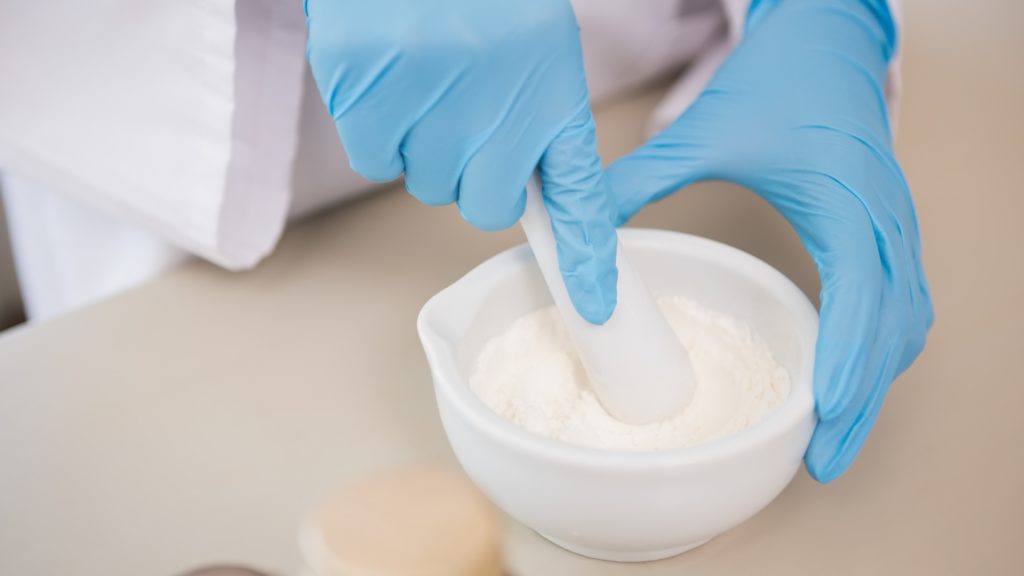
Strive Compounding Pharmacy filed a federal antitrust lawsuit against Eli Lilly and Novo Nordisk on January 14, 2026, claiming the two companies ran a "coordinated effort to suppress competition and limit patient access to lawful compounded GLP-1 medications" [3]. The complaint was filed in the U.S. District Court for the Western District of Texas, San Antonio Division, as Strive Specialties, Inc. v. Eli Lilly & Co., Novo Nordisk A/S, and Novo Nordisk, Inc., Case No. 5:26-CV-1055 [5].
What Strive alleged
Strive, based in Gilbert, Arizona, and represented by the law firm BakerHostetler, made several claims [3]. It said Lilly and Novo signed exclusive agreements with telehealth companies that barred those platforms from working with compounding pharmacies, which Strive described as "cutting off an essential channel between patients with prescriptions for personalized medicines and the pharmacies that could fill those prescriptions" [4]. It also said the manufacturers interfered with compounders' relationships with payment processors and social media platforms, and routinely described compounded medicines as illegal or unsafe [1][5].
According to the complaint, public criticism of compounded GLP-1s contributed to social media platforms removing GLP-1-related groups, and payment processors including Tebra and Stripe warned prescribers that payment processing could be paused if they wrote prescriptions for compounded medicines [5]. The lawsuit also pointed to the direct-to-consumer online pharmacies both companies launched in the prior year, which sell branded GLP-1s for cash at discounted prices [2].
The bottom line, Strive argued, was that the companies' conduct "unlawfully restricted competition and directly harmed GLP-1RA patients in the United States" and that patients "are forced to pay inflated prices and suffer reduced access" [1][2]. Strive asked the court to stop the conduct and "restore competitive conditions" in the market [4].
How the companies responded
A Novo Nordisk spokesperson said the claims "are without merit" and that the company would "vigorously defend against them in court," adding that it works with regulators to protect patients "from unapproved knockoff drugs" [2]. A Lilly spokesperson said Strive's suit is "wrong, on both the facts and law, and an attempt to shift focus away from its own conduct," noting that Lilly had sued Strive over advertising its mass-compounded products as clinically proven and "personalised" [2]. (BioSpace reported on January 15 that the companies had not yet responded publicly; Pharmaceutical Technology published statements from both [4][2].) Lilly's earlier April 2025 suit against Strive over compounded tirzepatide was dismissed for lack of personal jurisdiction and refiled in Arizona in October [5].
The case landed in the middle of a long fight. The FDA ended the tirzepatide shortage in December 2024, giving compounders 60 to 90 days to stop [4]. The Outsourcing Facilities Association sued the FDA in February 2025 over the shortage decision and lost [4][2]. FDA Commissioner Marty Makary announced a crackdown on illegal GLP-1 compounders in October 2025 [2]. At the J.P. Morgan Healthcare Conference in January 2026, Novo CEO Mike Doustdar estimated about 1.5 million U.S. patients were still using compounded versions of the company's GLP-1s, and said compounders were targeting price-sensitive consumers [2][4].
Why it matters for patients
Millions of people started on compounded semaglutide or tirzepatide during the 2022–2025 shortages, often because the copies cost far less than branded Ozempic, Wegovy, Mounjaro or Zepbound [5]. With the shortages declared over, the FDA no longer allows routine compounded GLP-1 production [2]. This lawsuit was one of the last significant attempts to challenge that squeeze from the compounders' side rather than the regulators' side.
For patients, the practical effect is that the legal supply chain is narrowing toward FDA-approved products — including the manufacturers' own cash-pay online pharmacies [2]. Compounded drugs are not FDA-approved, though compounding facilities are regulated by the FDA and state pharmacy boards [5]. BioSpace noted it is "unclear exactly how Strive is able to legally sell its compounded GLP-1 products," while Strive maintains its medicines are personalized to individual prescriptions [4].
What happens next
The case was dismissed in August 2026. The sources available here cover only the January 2026 filing and the companies' initial responses; they do not describe the court's reasoning, whether Strive can amend its complaint, or whether it plans to appeal. Those details are not yet known from this reporting.
Images from the sources
Sources
- https://www.statnews.com/pharmalot/2026/01/14/pharmacy-compounder-antitrust-lilly-novo-weight-obesity/
- https://www.pharmaceutical-technology.com/news/compounder-sues-lilly-and-novo-for-suppressing-glp-1ra-competition/
- https://www.prnewswire.com/news-releases/strive-compounding-pharmacy-files-landmark-antitrust-lawsuit-against-eli-lilly-and-novo-nordisk-302661582.html
- https://www.biospace.com/business/compounder-sues-lilly-novo-claims-coordinated-crackdown
- https://www.hmpgloballearningnetwork.com/site/pln/news/compounding-pharmacy-sues-eli-lilly-novo-nordisk-over-alleged-glp-1-antitrust
Semaglutides.org is for information only and is not medical advice. Always talk to a licensed healthcare provider about your own care. Some links to telehealth services are affiliate links, labeled where they appear.