Novo Nordisk presses FDA to place semaglutide on the demonstrable-difficulties list
Novo Nordisk is again asking the FDA to declare semaglutide too complex to compound safely — a move that, if granted, would block compounded copies even during a future shortage [1][2].
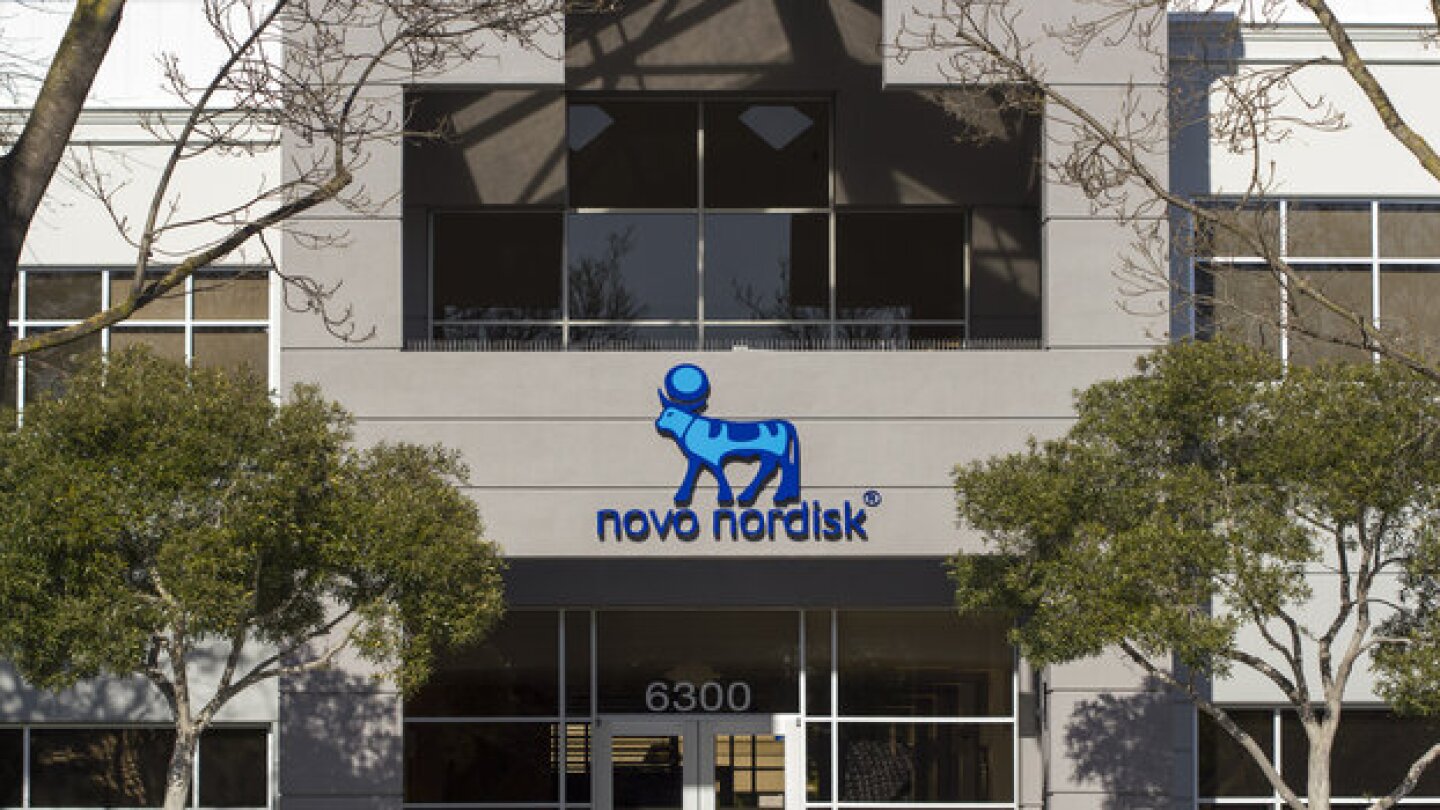
Novo Nordisk on August 19, 2026 pressed the FDA to add semaglutide to the agency's Demonstrable Difficulties for Compounding (DDC) lists, renewing a request the company first filed in October 2024 under docket FDA-2017-N-2562 [1]. The push puts Novo alongside Eli Lilly in a broader industry campaign to end compounding of GLP-1 drugs [1].
The DDC lists identify drug products the FDA considers too complicated to produce outside an approved manufacturing process, and that could pose substantial safety risks if made incorrectly [2]. The key practical feature: compounders are not permitted to make drugs on the list regardless of supply constraints [2]. That makes DDC placement a stronger and more durable restriction than a shortage-driven rule, because it would survive any future shortage declaration.
What Novo argues
In its filings, posted by the agency in October 2024, Novo argued that its approved semaglutide products have "unique characteristics and properties that are challenging to reproduce using a synthetically produced peptide" [2]. The company makes semaglutide using yeast systems with recombinant DNA technology, while compounded versions are typically built through synthetic peptide chemistry [2].
Novo also told the FDA that synthetic and compounded semaglutide "have different impurity profiles and different physical and chemical stabilities" compared with the approved products [2]. The company said compounded semaglutide lacks clinical testing, has generated calls to poison control centers, and has shown problematic immunogenicity profiles — meaning the potential for the immune system to react to the drug [2]. "We have not identified any actual or potential benefit that would outweigh the risks presented by compounded semaglutide products," Novo wrote [2].
Beyond DDC listing, the company asked the FDA to convene both its Pharmacy Compounding Advisory Committee and its Drug Safety and Risk Management Advisory Committee to take up the question [2].
How this fits the rest of the GLP-1 compounding fight
The DDC nomination is one of three separate tracks. On April 30, 2026, the FDA proposed excluding semaglutide, tirzepatide, and liraglutide from the 503B bulk drug substances list — a proposal that remains undecided [1]. On August 27, 2026, the Fifth Circuit issued two unpublished per curiam opinions (Case 25-10600, tirzepatide/Lilly; Case 25-10758, semaglutide/Novo) affirming the district courts and upholding the FDA's removal of Ozempic, Wegovy, Mounjaro, and Zepbound from the drug shortage list [1].
That ruling ended bulk (503B) compounding of these molecules for general use, while patient-specific 503A compounding for an individual with a documented medical need remains lawful [1]. The 503B bulks-list exclusion and the DDC nomination are described as backstops that would keep the ban in place even if a shortage returned [1].
The original 2024 filing came during a period of real supply strain: Novo said in September 2024 that shortages of lower-dose Ozempic could last into the fourth quarter of that year, and the FDA's website reflected limited availability of the lowest dose of Wegovy [2]. Novo had also sued wellness clinics and medical spas in June 2023 and won a permanent injunction in February 2024 [2].
Why it matters for patients
For people who have used compounded semaglutide, the layered effect of these actions matters more than any single one. Bulk compounding for general use is already off the table after the Fifth Circuit ruling [1]. Patient-specific compounding for a documented individual medical need — for example, a needed change in formulation — is still legal today [1]. DDC listing would close that remaining door for semaglutide specifically, and would not reopen it if a shortage were declared later [2].
It is not yet known whether the FDA will grant the nomination, what standard it will apply, or when it will decide. The sources do not give a decision date, a proposed rule, or an agency response to Novo's 2024 filing.
What happens next
The 503B GLP-1 exclusion proposed April 30, 2026 is still pending, and the DDC nomination sits with the agency [1]. Both land on the next FDA commissioner's desk: President Trump nominated Dr. Heidi Overton on August 19, 2026 after two other candidates declined, no Senate hearing date has been set, and Overton has made no public statements on GLP-1 policy or the 503A/503B lists [1].
Sources
Semaglutides.org is for information only and is not medical advice. Always talk to a licensed healthcare provider about your own care. Some links to telehealth services are affiliate links, labeled where they appear.